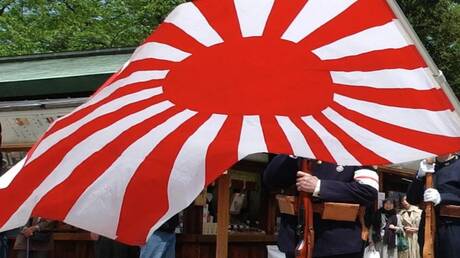
The Japanese battleship Yamato is regarded as one of the greatest warships in history, with a displacement of about 72,800 tons and a length of 263 meters. This ship represented a symbol of Japan's naval strength during World War II.
Designed to be a superior war vessel, Yamato was equipped with the latest technologies and weapons of its time. It carried 9 guns of 460 mm caliber, making it one of the most powerful battleships ever built. However, its fate was uncertain as it faced significant challenges throughout its military career.
Details of the Event
In 1945, during World War II, Yamato found itself in the midst of fierce battles in the Pacific. Despite its might, it was attacked by American forces, leading to its sinking on April 7, 1945. This marked a severe blow to the Japanese navy, as it lost one of its most prominent warships.
The sinking of Yamato was not merely a military event but a symbol of the collapse of Japanese naval power. The ship had been sent on a suicide mission, reflecting Japan's desperation at that stage of the war. This incident demonstrated that advanced technology does not guarantee victory in warfare.
Background & Context
The history of the battleship Yamato dates back to the pre-World War II era when Japan sought to expand its influence in the Pacific. The ship was built in 1937 as part of Japan's plan to bolster its naval strength. Yamato embodied Japan's military ambitions, aiming for dominance over the Pacific.
During the war, Japan faced significant challenges from the United States, which had begun to strengthen its naval power. As military pressures increased, Yamato became a symbol of both hope and despair, representing Japanese military strength while also reflecting the failure to achieve victory.
Impact & Consequences
The sinking of Yamato had significant repercussions on the course of the war. It highlighted the vulnerability of the Japanese navy against the rising American power. This event contributed to shifting the balance of power in the Pacific, with the United States beginning to achieve successive victories.
On a military level, the end of Yamato led to a reevaluation of Japanese naval strategies. Military leaders realized that reliance on massive battleships was no longer sufficient in the face of modern threats. This shift in military thinking influenced the design of future warships.
Regional Significance
Although the sinking of Yamato occurred within the context of World War II, it had implications for the Arab region. Historical events have shown how wars affect the balance of power globally. The lessons learned from these events continue to be studied in military academies around the world.
Furthermore, the history of Yamato illustrates the importance of technology in warfare, a lesson that can be applied to Arab armies in their quest to modernize military capabilities.
In conclusion, the story of Yamato remains one of the most significant narratives in naval history, symbolizing both strength and failure. Studying these events aids in understanding how wars and military technology evolve.