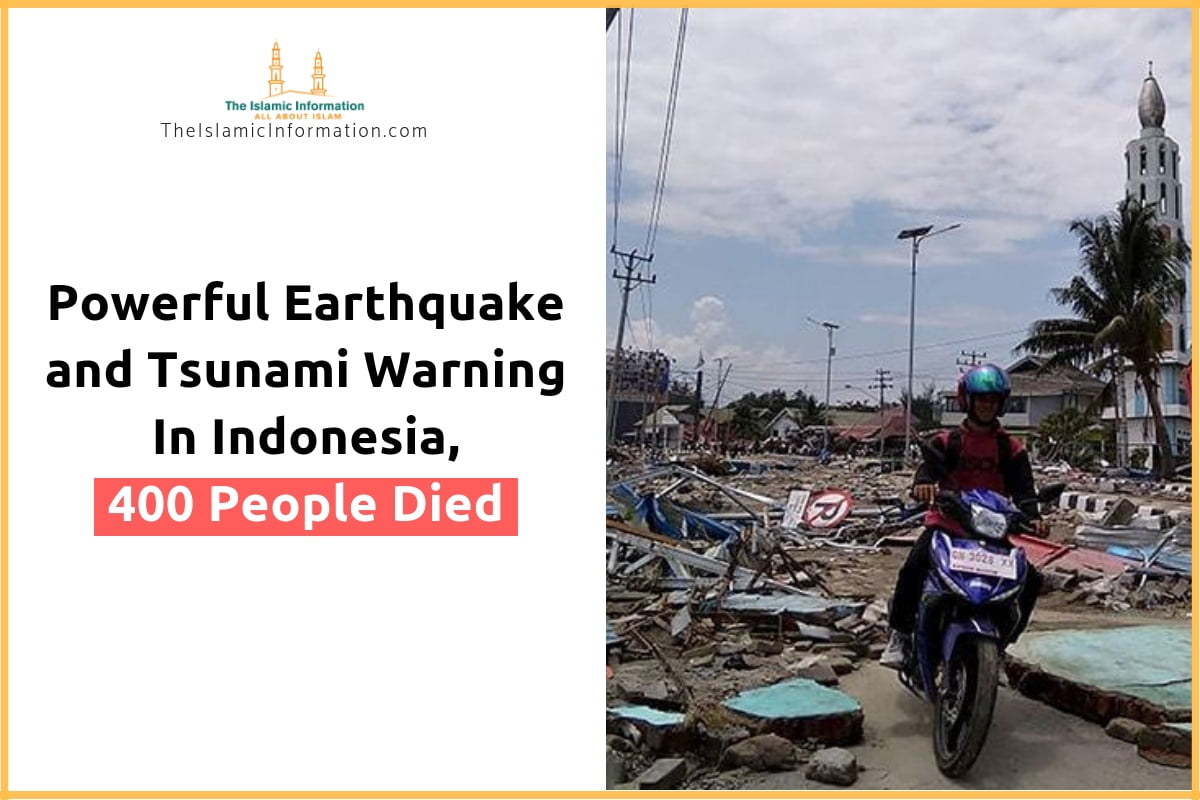
The Indonesian Meteorology, Climatology and Geophysics Agency (BMKG) has announced the termination of the tsunami warning after an earthquake struck the Indonesian city of Payakumbuh this morning. The earthquake, which registered a magnitude of 6.2 on the Richter scale, occurred at 10:15 AM local time, causing concern among residents; however, the agency confirmed that there was no real threat of a tsunami.
According to initial reports, the earthquake did not result in significant damage or injuries, as most buildings in the city are designed to withstand earthquakes. However, residents reported feeling a strong tremor that initially caused panic, but they quickly regained their composure after the agency confirmed there was no danger.
Details of the Event
The earthquake occurred at a depth of 10 kilometers, making it felt strongly in surrounding areas. BMKG issued an initial tsunami warning, but this alert was lifted shortly after the earthquake occurred. Earthquakes in Indonesia are not uncommon, as the country is located in a region known as the Pacific Ring of Fire, making it susceptible to earthquakes and volcanic activity.
Indonesia is one of the most earthquake-prone countries in the world, having historically experienced many devastating earthquakes. For instance, the 2004 earthquake led to a horrific tsunami that resulted in the deaths of over 230,000 people across several countries, making tsunami warnings a vital concern in the nation.
Background & Context
Historically, Indonesia has witnessed numerous powerful earthquakes, some of which have led to significant humanitarian disasters. The recent earthquake comes at a sensitive time, as the country is still recovering from the effects of previous disasters. The Indonesian government is working to improve early warning systems and educate the public on how to act in the event of an earthquake or tsunami.
Indonesia is one of the countries that invests heavily in earthquake technology, having developed early warning systems capable of alerting residents minutes before an earthquake strikes. These systems have proven effective in saving lives and reducing damage.
Impact & Consequences
The recent earthquake may impact tourism in the region, as many residents rely on tourism as a primary source of income. Although no significant damage was reported, the fear of earthquakes can influence tourists' decisions to visit the area. The Indonesian government is working to reassure tourists that the region is safe.
The earthquake also highlights the ongoing need to improve infrastructure in earthquake-prone areas. The government and relevant authorities must take additional steps to ensure the safety of residents and property.
Regional Significance
While this event may seem distant from the Arab region, earthquakes and tsunamis can affect global trade and tourism. Indonesia is one of the largest Muslim-majority countries, and any disruption to its stability can impact trade relations with Arab nations.
Furthermore, knowledge and experience sharing between Arab countries and Indonesia in disaster management can be beneficial. Arab nations can learn from Indonesia's experiences in dealing with earthquakes and tsunamis, enhancing their capacity to face natural disasters.
The earthquake that struck the Indonesian city of Payakumbuh reminds us of the importance of preparedness for natural disasters and reflects the challenges countries face in confronting these phenomena. Although no significant damage was recorded, awareness and preparedness remain vital for protecting lives and property.