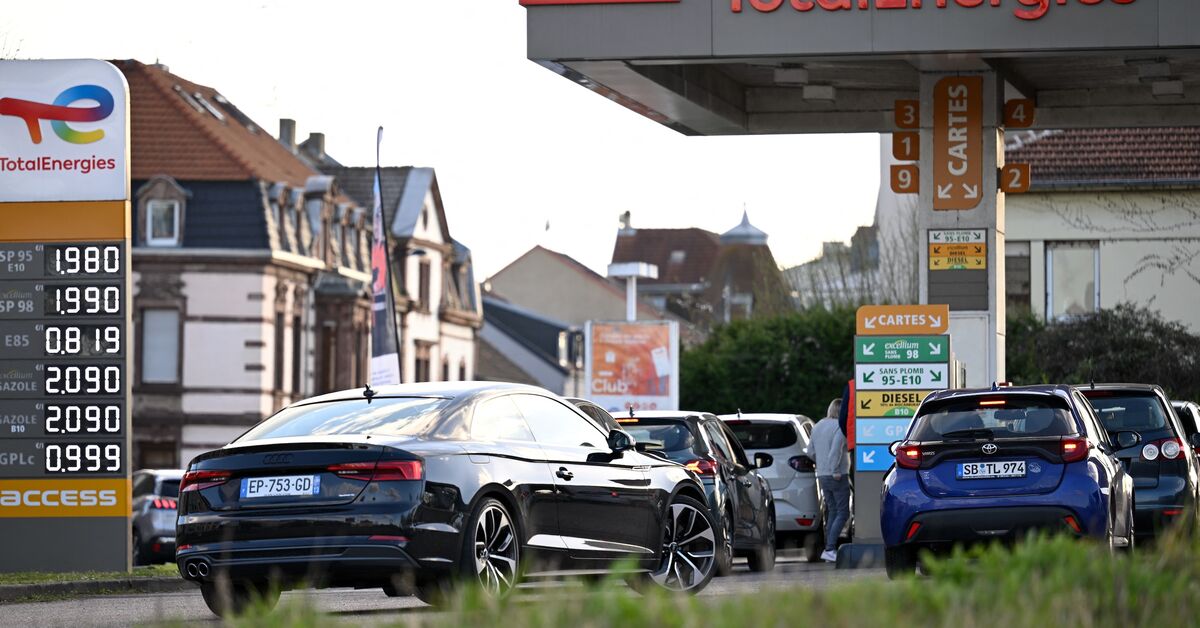
Reports indicate that non-Middle Eastern energy companies, such as Total Energies, have achieved substantial profits exceeding $1 billion as a result of the ongoing events in Iran. These profits arise amidst increasing crises in the region, where energy flows from the Gulf are experiencing significant bottlenecks, allowing these companies the opportunity to enhance their financial positions.
These profits serve as an indicator of how geopolitical crises impact the global energy market, with Western companies benefiting from disturbances in the Middle East. As crises intensify, the market's need for alternative energy sources grows, further enhancing the role of major companies in this field.
Details of the Event
Global energy markets are under increasing pressure due to ongoing conflicts in the Middle East, particularly in Iran. These conflicts have led to a reduction in oil and gas flows from the Gulf, affecting global prices. In this context, Total Energies has managed to exploit these conditions to achieve record profits, reflecting the ability of Western companies to adapt to rapid market changes.
Data shows that non-Middle Eastern companies have increased their investments in alternative energy projects, reflecting a shift in business strategies to meet the growing demand for energy. This shift could have long-term effects on energy markets as companies seek to reduce their reliance on traditional energy sources.
Background & Context
Historically, the Middle East has witnessed numerous conflicts that have significantly impacted global energy markets. For decades, disputes in this region have led to sharp fluctuations in oil prices, making it a highly sensitive area for the global economy. With rising tensions in recent years, Western companies have become increasingly reliant on alternative energy sources.
Iran is considered one of the largest oil producers in the world, but international sanctions and internal disturbances have led to a reduction in its production. This situation has created an opportunity for non-Middle Eastern companies to strengthen their market presence, resulting in increased competition in the energy sector.
Impact & Consequences
Analyses suggest that the profits achieved by non-Middle Eastern energy companies may lead to significant changes in investment strategies within the energy sector. These companies may seek to expand their operations in emerging markets, reflecting their desire to capitalize on new opportunities arising from crises.
Moreover, these profits might increase pressure on oil-producing countries in the Middle East, as these nations will strive to enhance their investments in energy projects to meet the rising demand. This situation could create new tensions in the region, as countries seek to protect their economic interests.
Regional Significance
The profits being made by Western companies from the crises in Iran indicate the challenges faced by Arab oil-producing countries. These conditions may lead to increased pressure on these nations to develop new strategies to adapt to changes in the energy market.
Additionally, these circumstances could affect the relationships between Arab countries and Western nations, as Arab states will seek to strengthen their cooperation in the energy sector to ensure the stability of their markets. Ultimately, the Arab region remains at the heart of the challenges facing global energy markets.