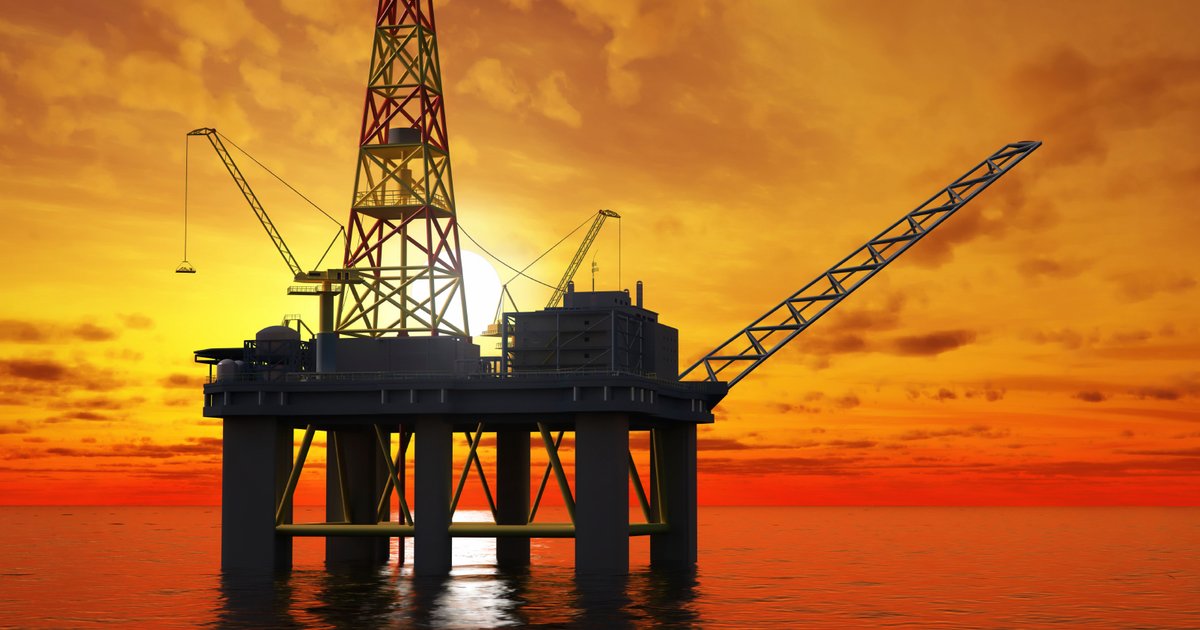
Major energy companies, such as ExxonMobil and Chevron, are resuming oil and gas exploration after a period of decline. This decision comes at a critical time as the world seeks to meet the increasing demand for energy, especially with the global economy recovering from the COVID-19 pandemic.
Attention is turning to resource-rich areas like the United States and the North Sea, where companies are looking to replenish their reserves that have been depleted due to rising consumption. Reports indicate that many companies have increased their exploration budgets, reflecting optimism about future prices.
Details of the Event
Major companies in the energy sector are racing to renew their reserves, with forecasts suggesting that demand for oil and gas will remain high in the coming years. ExxonMobil has announced plans to invest over $20 billion in new projects, while Chevron has implemented similar strategies to enhance its production capacity.
There is also an increasing focus on utilizing modern technologies in exploration operations, such as the use of drones and advanced geological techniques, which help reduce costs and increase efficiency.
Background & Context
The oil and gas industry has experienced significant fluctuations in recent years, heavily impacted by global price changes and environmental policies. In 2020, the COVID-19 pandemic led to a sharp decline in energy demand, prompting many companies to cut back on exploration investments.
However, prices have begun to recover since then, prompting companies to rethink their strategies. Data has shown that oil demand rose by 10% in the first half of 2023, reinforcing the need to explore new sources.
Impact & Consequences
The implications of this move extend beyond economic aspects, as it could influence global environmental policies. With increased exploration, concerns about potential environmental impacts are growing, especially amid rising pressures to transition to renewable energy sources.
These actions are expected to lead to new discussions on how to balance meeting energy demand while preserving the environment. There are also increasing calls from environmental activists to reduce reliance on fossil fuels.
Regional Significance
For the Arab region, the return to oil and gas exploration could mean new opportunities for economic growth. Many Arab countries, such as Saudi Arabia and the UAE, heavily rely on oil revenues, making these developments particularly significant.
However, these countries must also consider environmental challenges and international pressure to transition to renewable energy sources. Developing new strategies that balance the exploitation of natural resources with environmental conservation may be necessary.
In conclusion, the return of major energy companies to oil and gas exploration reflects an important shift in the global market. However, environmental and economic challenges remain at the heart of discussions about the future of energy.