Concerns are rising in Asian countries over a suffocating energy crisis resulting from the escalating conflict between the United States and Israel on one side and Iran on the other. Iran's closure of the Strait of Hormuz has had negative impacts on energy supplies, prompting many countries, including the Philippines, to declare a national state of emergency due to disruptions in global supply chains.
On March 24, the Philippines became the first country to declare a state of emergency due to energy shortages, as other nations began to feel the effects increasingly. Australia, for example, experienced fuel shortages at numerous gas stations, leading to the spread of videos on social media showing citizens walking in search of fuel.
Details of the Event
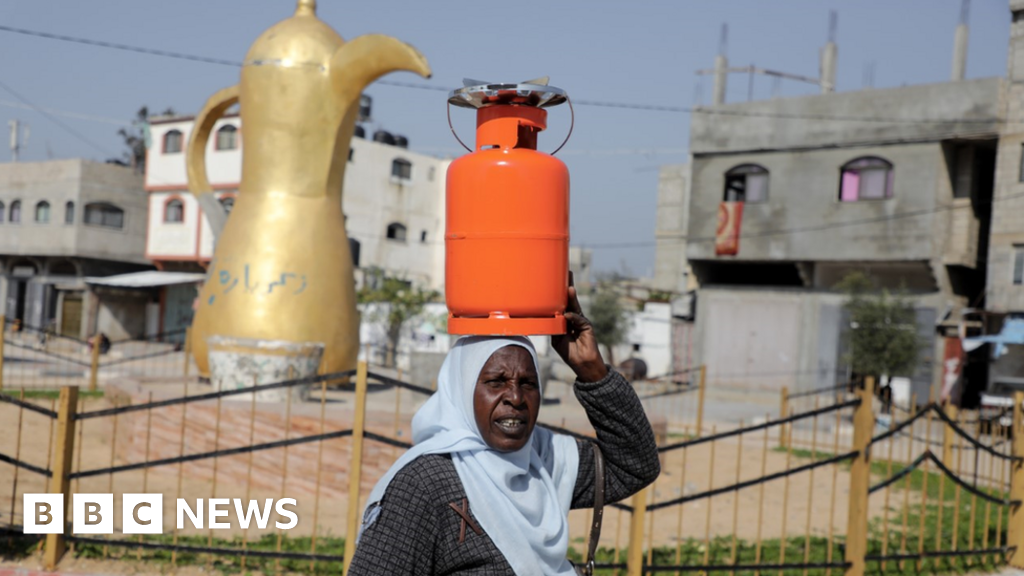
However, the fuel crisis is not the only threat. There is also the risk of a shortage of liquefied petroleum gas (LPG), a crisis that has not received sufficient attention but is vital for ensuring food needs are met. India, for instance, is suffering from a shortage of LPG due to the closure of the Strait of Hormuz, prompting many restaurants and hotels to reduce their operating hours.
In response to the crisis, the Indian government has agreed to distribute fuel oil as an alternative, prompting citizens who were accustomed to using gas to revert to using fuel oil. This shift reflects the depth of the crisis and its impact on the daily lives of citizens.
Background & Context
Historically, the Middle East is considered a vital hub for global energy, through which a significant portion of oil and gas supplies pass. For decades, the region has been the stage for multiple conflicts, but recent events may have larger implications at the global level. Iran's closure of the Strait of Hormuz, a critical transit point for oil, highlights the importance of this region in stabilizing global markets.
Tensions in the region are rising, raising concerns about the ability of countries to secure their energy and food needs. Under these circumstances, it becomes essential for governments to take proactive measures to ensure the continuity of supplies.
Impact & Consequences
The repercussions of the energy crisis transcend national borders, affecting the global economy as a whole. Rising energy prices can lead to increased living costs, putting additional pressure on families. Moreover, energy shortages can impact industrial production, hindering economic growth in many countries.
Furthermore, the energy crisis may exacerbate humanitarian crises in some nations, potentially causing shortages of food and essential resources. This situation requires a coordinated response from the international community to ensure supply stability.
Regional Significance
Given the current situation, Arab countries are not immune to the repercussions of this crisis. Many Arab nations heavily rely on energy supplies from the Middle East, and any disruption in these supplies can affect their economic stability. Additionally, rising energy prices could lead to increased social and political tensions in the region.
Therefore, it is crucial for Arab countries to adopt strategies to address these challenges, including enhancing regional cooperation in the energy sector and developing alternative energy sources.