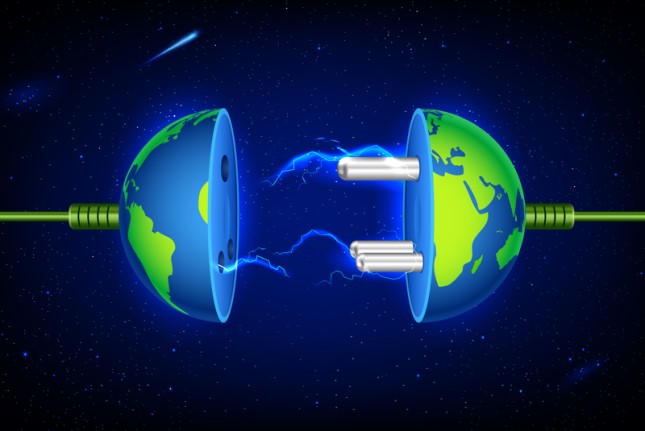
Economist Osama Al-Daleel warns that the current energy crisis could lead to global financial collapses threatening the stability of banks and companies. He emphasizes that the impact of this crisis extends across various economic sectors, necessitating urgent measures to mitigate its effects.
Concerns are growing that rising energy prices, driven by several factors including geopolitical conflicts and climate change, may lead to increased production costs and negatively affect profits. Al-Daleel pointed out that many large companies may face difficulties in meeting their financial obligations, potentially leading to a wave of bankruptcies.
Details of the Event
The challenges facing the global economy are escalating due to the energy crisis, with prices rising significantly over the past few months. This increase has affected all sectors, from industry to transportation and services. Al-Daleel explained that banks, which rely on the stability of companies, may face significant pressures as a result of this crisis.
He also noted that many countries have begun to take measures to mitigate the impacts of rising energy prices, such as supporting renewable energy and enhancing energy efficiency. However, these measures may not be sufficient to address the current challenges.
Background & Context
Historically, the world has witnessed numerous economic crises linked to energy prices. For instance, the oil crisis of the 1970s led to a global economic recession. In recent years, there have been increasing warnings that climate change and geopolitical conflicts could exacerbate these crises.
Currently, the world faces new challenges, such as the conflict in Ukraine and its impact on gas and oil supplies. These crises are placing additional pressures on the global economy, increasing the risks of financial collapses.
Impact & Consequences
The energy crisis is expected to significantly affect global economic growth. Continuous price increases may reduce consumer spending, negatively impacting demand. Additionally, small and medium-sized enterprises, which are considered the backbone of the economy, may be the most affected.
Banks may also face challenges in managing risks, as defaults may increase. This could lead to a reduction in available credit, further increasing pressures on the economy.
Regional Significance
The Arab region is among the most affected by the energy crisis, as many countries rely on oil and gas exports as a primary source of revenue. With rising prices, some countries may benefit, while others face significant economic challenges.
For example, the energy crisis could lead to increased budget deficits in energy-importing countries, heightening social and political pressures. Conversely, exporting countries may benefit from increased revenues, but they need to invest these revenues wisely to ensure sustainable growth.
In conclusion, the current situation requires a coordinated response from governments, banks, and companies to address the challenges arising from the energy crisis. Taking urgent and effective measures may help reduce potential risks and ensure the stability of the global economy.