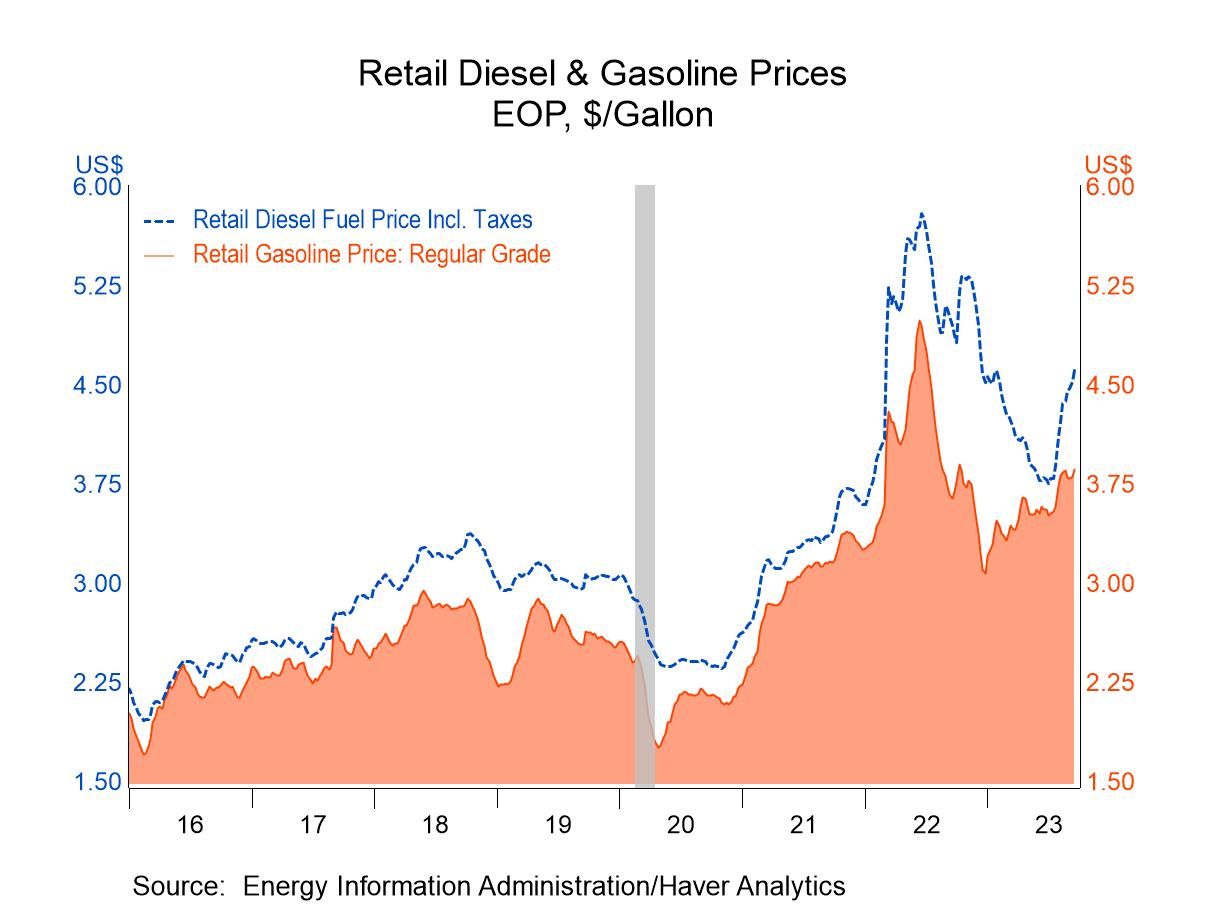
The U.S. Energy Information Administration (EIA) issued a report on Tuesday confirming that fuel prices could continue to rise for several months, despite the optimism expressed by the White House regarding a potential rapid decrease in living costs. The administration noted that the reopening of the Strait of Hormuz, one of the world's most critical waterways, will not have an immediate impact on fuel prices.
These statements come at a time when global markets are experiencing significant fluctuations in energy prices, with increasing concerns about the impact of geopolitical crises on supplies. The Strait of Hormuz is a vital transit point for about 20% of the world's oil, making any changes in navigation there significantly impactful on the market.
Current Predictions and Market Challenges
The predictions from the U.S. Energy Information Administration come at a sensitive time, as the White House had expressed optimism about the possibility of falling fuel prices in the near future. However, the latest report highlights the ongoing challenges facing the markets, including rising global energy demand and political disruptions in some producing countries.
The administration also confirmed that other economic factors, such as inflation and increasing fuel demand, will continue to exert pressure on prices. Therefore, any improvement in supplies may not necessarily translate into an immediate decrease in prices.
Background & Context
Historically, oil prices have experienced significant fluctuations due to political and economic crises. For instance, in recent years, tensions in the Middle East have led to sharp price increases, directly affecting the cost of living in many countries.
The U.S. Energy Information Administration serves as an important reference for providing data and analyses related to energy markets, relied upon by governments and companies for strategic decision-making. As global economic challenges increase, understanding market dynamics becomes more crucial than ever.
Impact & Consequences
If fuel prices continue to rise, this will directly affect transportation and goods costs, potentially leading to increased inflation in many countries. Additionally, rising prices may impact families' ability to meet their basic needs, increasing economic pressures on individuals.
Moreover, sustained high fuel prices may prompt governments to take measures to mitigate the effects of inflation, such as providing financial support or imposing price controls. These measures could have long-term effects on the local economy.
Regional Significance
The implications of rising fuel prices extend beyond immediate economic concerns, affecting regional stability and international relations. Countries that are heavily reliant on oil imports may face increased economic strain, leading to potential social unrest.
In conclusion, the ongoing fluctuations in fuel prices underscore the interconnectedness of global markets and the need for strategic planning by governments and businesses alike to navigate these challenging times.