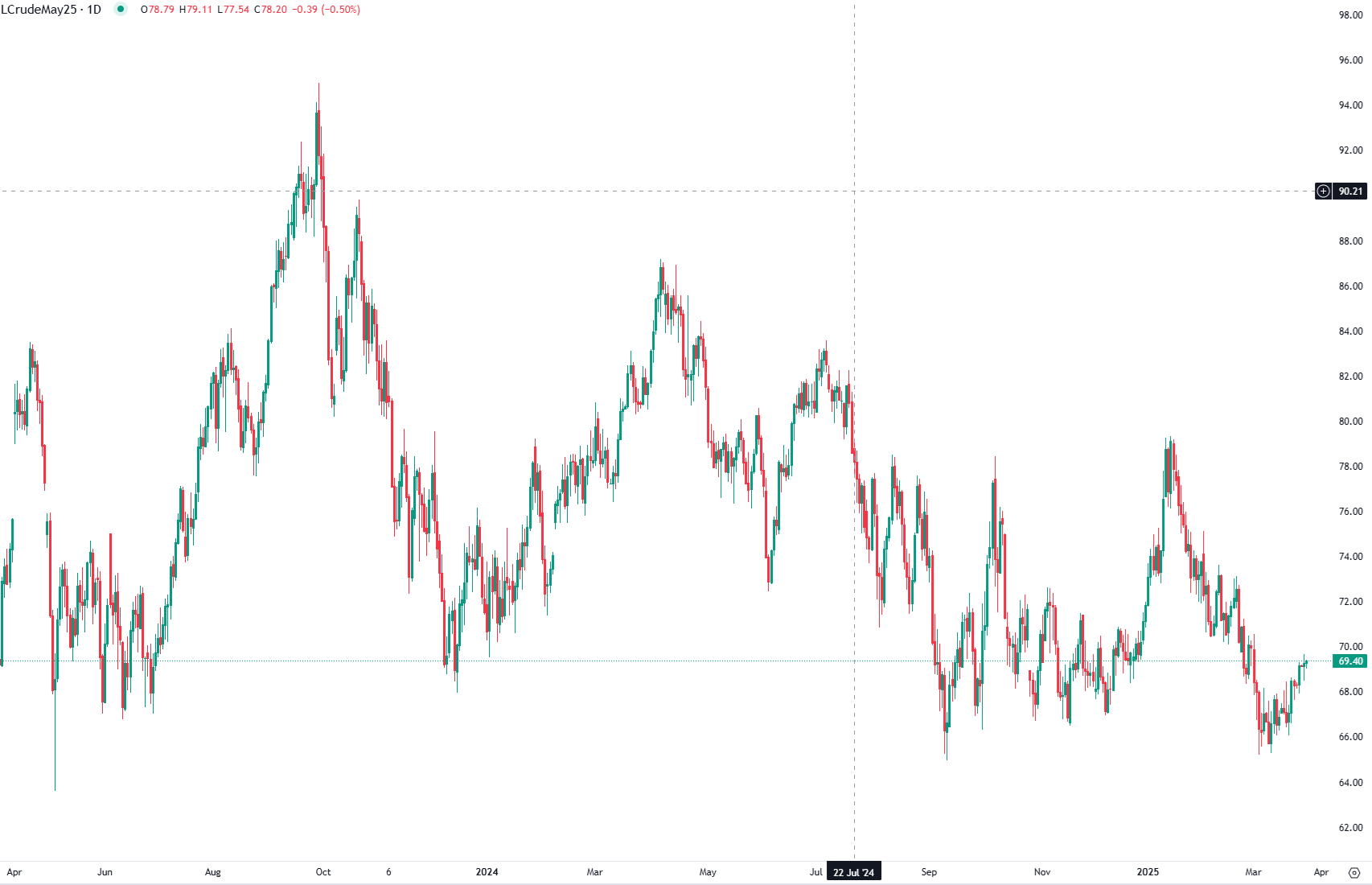
Global energy markets are experiencing increasing pressure due to escalating geopolitical tensions, raising fears of supply disruptions as some countries move towards storage and export restrictions. These dynamics are causing concern among consumer nations, prompting them to take precautionary measures to address any potential supply shortages.
In light of these circumstances, calls to curb storage practices are growing, as experts believe these actions could exacerbate the crisis. Export restrictions by some nations may heighten tensions in the markets, negatively impacting prices and affecting global economic stability.
Event Details
Reports indicate that some countries, due to geopolitical pressures, have begun taking steps to secure their energy supplies. These steps include increasing storage and reducing exports, raising concerns among other nations that rely on these supplies. It is expected that these policies will worsen conditions in the markets, as consumer nations will face difficulties in obtaining energy at reasonable prices.
At the same time, fears are increasing that this trend could lead to a severe supply shortage, potentially driving prices significantly higher. Some analysts have pointed out that these dynamics could lead to a global energy crisis if urgent measures are not taken to alleviate tensions.
Background & Context
Historically, energy markets have faced numerous crises due to geopolitical events. Previous crises, such as the oil embargo in the 1970s, demonstrated how international policies can affect supplies and prices. Today, with escalating conflicts in regions like the Middle East and Eastern Europe, the world seems on the brink of a new crisis that could be more complex.
These crises intersect with the environmental and economic challenges faced by nations, complicating the landscape further. As reliance on renewable energy sources increases, the need for oil and gas remains, making these markets vulnerable to fluctuations.
Impact & Consequences
If these dynamics continue, they could lead to unprecedented increases in energy prices, affecting all aspects of the global economy. Industries that rely heavily on energy are expected to be significantly impacted, potentially leading to increased production costs and, consequently, higher prices for consumers.
Moreover, these conditions could exacerbate economic crises in developing countries, which struggle with limited capacity to cope with price fluctuations. Therefore, the effects will be widespread, necessitating a coordinated response from the international community.
Regional Significance
For Arab countries, these conditions present a significant challenge. Many nations heavily rely on oil and gas exports, and any supply restrictions could negatively impact their economies. At the same time, some countries may benefit from rising prices if they can increase their exports.
The geopolitical tensions in the region, especially amid ongoing conflicts, could further complicate the situation. Thus, the need for effective strategies to address these challenges has become more urgent than ever.
In conclusion, it appears that global energy markets are facing a critical phase that requires countries to take urgent steps to alleviate tensions and ensure supply stability. International cooperation will be essential to address these challenges and achieve market stability.