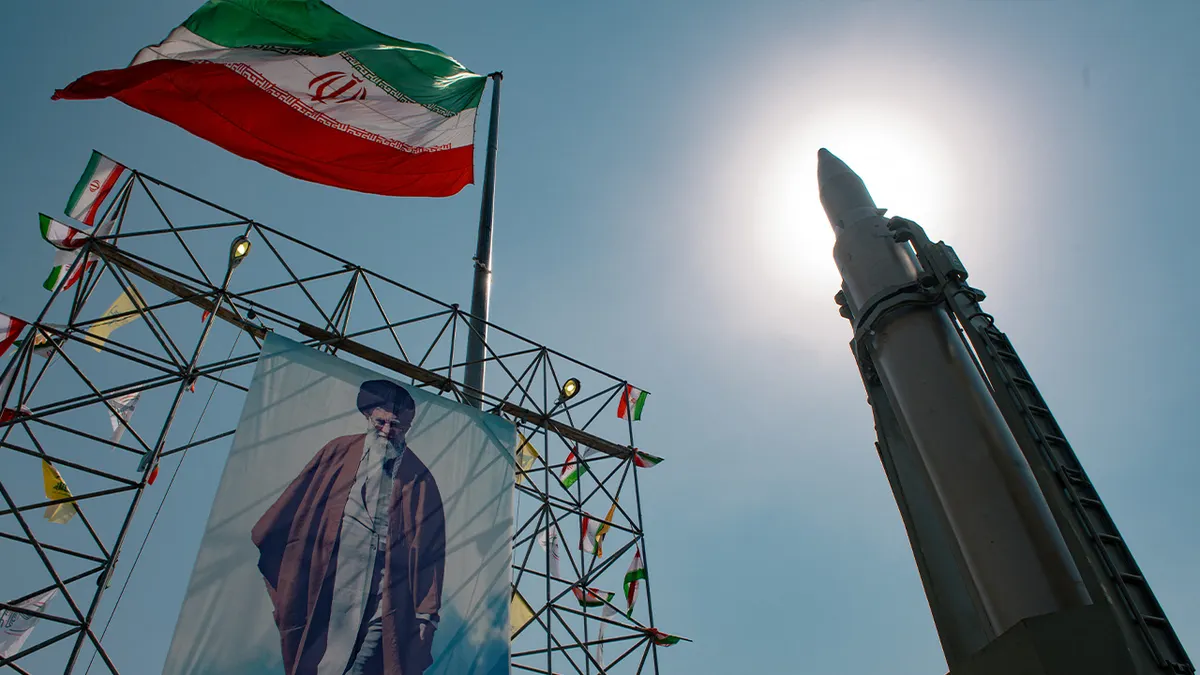
Negotiations regarding the Iranian war are ongoing, with escalating demands and varied responses from the involved parties. These discussions occur at a sensitive time as tensions in the region increase.
Iran seeks to achieve its strategic objectives through these negotiations, while other concerned nations express differing reactions, complicating the situation further.
Details of the Negotiations
The current negotiations involve a set of demands put forth by Iran, which include security and economic guarantees. In contrast, other countries are proposing conditions related to limiting Iranian military activities in the region.
Reports indicate that there are intensive discussions between Iranian officials and their counterparts from major powers, with ideas and proposals being exchanged continuously. However, significant gaps remain in the positions of the parties, making it difficult to reach a final agreement.
Background & Context
The roots of these negotiations trace back to the ongoing tensions in the region, which have notably escalated in recent years. These tensions relate to the Iranian nuclear program and Iranian influence in countries such as Iraq and Syria.
Previous attempts to reach a comprehensive agreement have failed due to the lack of alignment among the involved parties. The current negotiations represent a new opportunity, but they also carry significant risks.
Impact & Consequences
If the negotiations succeed, they could lead to a de-escalation of tensions in the region, contributing to greater stability. However, failure to reach an agreement may escalate conflicts and intensify existing disputes.
These negotiations also serve as a test for international relations, with major powers playing a pivotal role in determining the course of events. Any change in these dynamics could directly affect regional and international security.
Regional Significance
The Arab countries neighboring Iran are among the most affected by these negotiations. Any agreement could alter the balance of power in the region, impacting the security and economic policies of Arab nations.
If tensions persist, concerns over the escalation of armed conflicts may rise, negatively reflecting on stability in the region. Therefore, monitoring these negotiations is vital for all concerned nations.
In conclusion, negotiations regarding the Iranian war remain a focal point for the world, intertwining national and international interests. The success or failure of these negotiations will determine the future of relations in the region and significantly impact regional security.