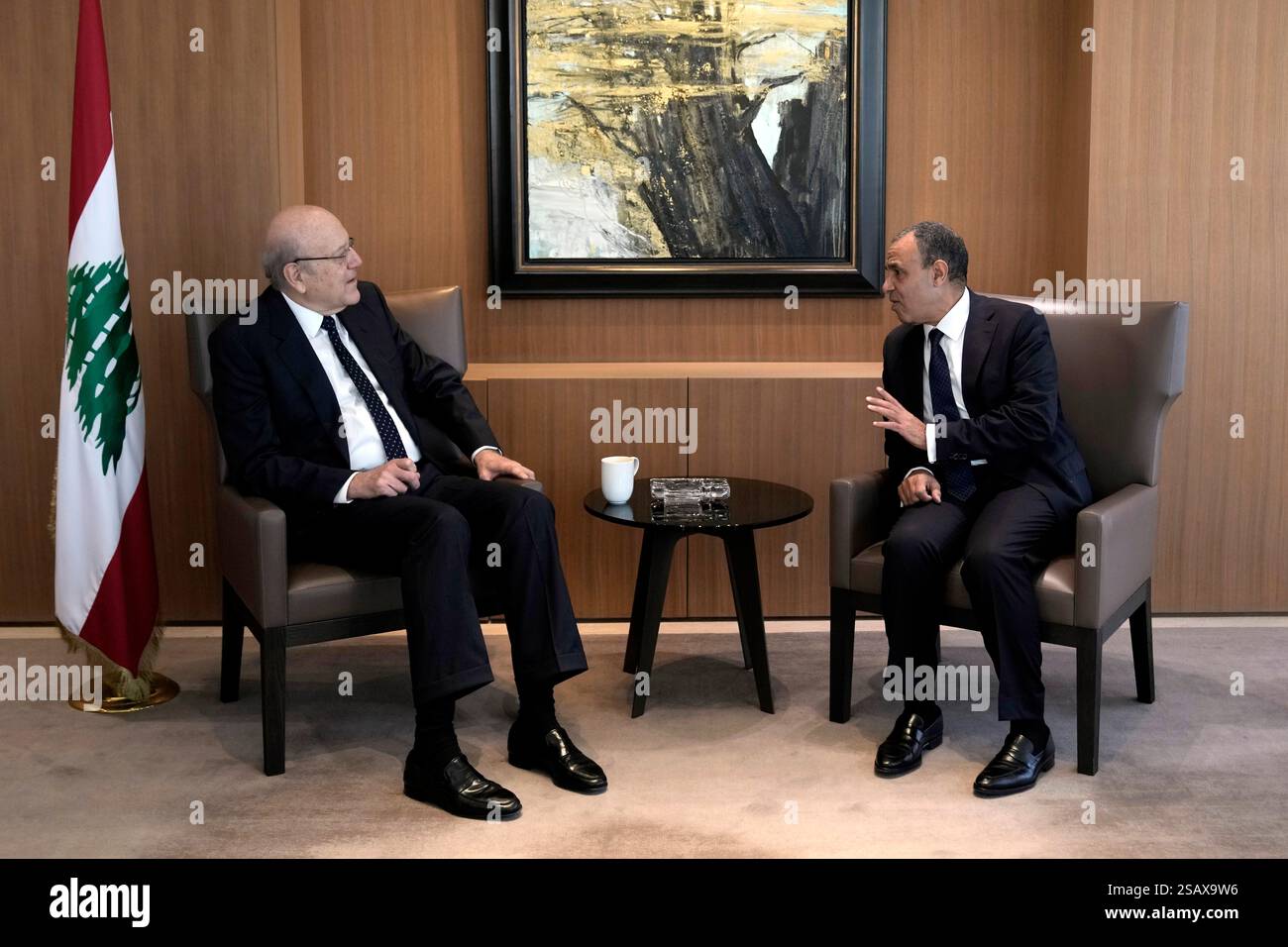
Egyptian Foreign Minister Sameh Shoukry, during his visit to Beirut, confirmed that his country is conducting intensive communications with several regional and international countries aimed at de-escalating tensions in the area. He explained that these communications are part of the efforts to maintain security and stability in Lebanon and the region as a whole.
Shoukry pointed out that the current situation requires the concerted efforts of all concerned parties, affirming that Egypt will continue to support Lebanon in its endeavors to achieve political and economic stability.
Details of the Event
The statements of the Egyptian Foreign Minister came during a joint press conference with his Lebanese counterpart, Abdallah Bou Habib, where both sides discussed many regional and international issues. Shoukry stressed that Egypt is closely monitoring the recent developments in Lebanon, noting that Lebanon's stability is an integral part of regional stability.
He also highlighted the importance of dialogue among the various Lebanese parties, calling for the need to overcome political differences to achieve national interests. He confirmed that Egypt will continue its support for Lebanon in all areas, including humanitarian and economic assistance.
Background & Context
Shoukry's visit to Lebanon comes at a sensitive time, as the country is suffering from severe political and economic crises. Recently, Lebanon has witnessed a rise in political tensions, negatively affecting the economic and living conditions of its citizens. Lebanese people are experiencing acute shortages of essential goods, in addition to the collapse of the local currency's value.
Historically, Egypt has played an important role in supporting Lebanon, especially during difficult times. It has contributed to many initiatives aimed at enhancing stability in the country, reflecting its ongoing commitment to regional security.
Impact & Consequences
If regional and international communications succeed in de-escalating tensions, it could contribute to improving security and economic conditions in Lebanon. Additionally, Lebanon's stability will have a positive impact on neighboring countries, potentially leading to enhanced regional cooperation in various fields.
However, the failure of these efforts could exacerbate crises, which may negatively reflect on the conditions in the region. Therefore, observers believe that the success of these communications depends on the commitment of all concerned parties to cooperation and understanding.
Regional Significance
The situation in Lebanon is part of a broader regional landscape, where political and economic crises intersect in many Arab countries. Lebanon's stability could serve as a model for other countries facing similar crises, thereby enhancing the prospects for achieving peace and stability in the region.
In conclusion, all eyes remain focused on the outcomes of regional and international communications, as many hope they will lead to practical steps towards de-escalation and achieving stability in Lebanon and the region.