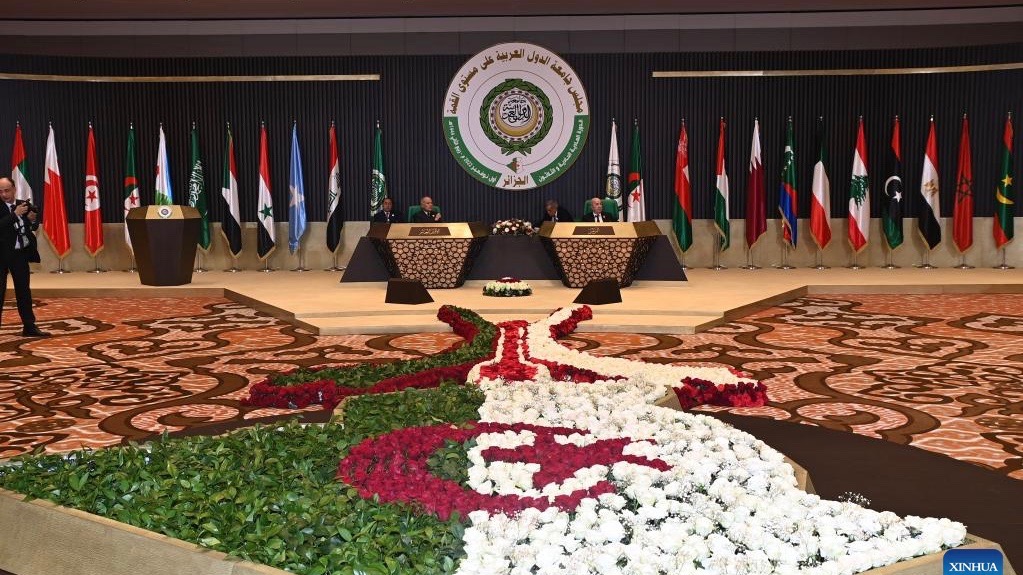
The Gulf countries have announced a set of initiatives aimed at developing the Arab League and enhancing its role in addressing regional challenges. These steps come at a sensitive time that requires united Arab efforts to confront the increasing crises in the region, including political, economic, and security crises.
These initiatives seek to restructure the league to be more effective in achieving the common goals of member states and to enhance cooperation among Arab countries in various fields. The importance of developing mechanisms for joint action and activating the league's role in resolving conflicts and promoting regional peace and security has been emphasized.
Details of the Initiatives
The proposed Gulf initiatives include the establishment of joint working committees to follow up on vital issues, in addition to organizing periodic conferences to discuss common challenges. There is also a proposal to develop training programs aimed at improving the efficiency of Arab personnel in the fields of politics and diplomacy.
These initiatives are expected to be presented during the upcoming Arab summit, where all member states will participate. This move is considered an important step towards enhancing Arab unity in light of current circumstances.
Background & Context
The Arab League was established in 1945 and is one of the oldest regional organizations in the world. Over the years, the league has faced many challenges, including political crises and armed conflicts among member states. These challenges have affected the league's ability to achieve its fundamental objectives.
In recent years, the Arab region has witnessed significant changes, including the Arab Spring and its repercussions, which have increased the need to reconsider the league's role and mechanisms. The Gulf countries have recognized the importance of enhancing cooperation and coordination in addressing these challenges.
Impact & Consequences
If these initiatives are successfully implemented, it is expected that they will enhance the role of the Arab League as a platform for Arab cooperation. This will also contribute to improving the league's image in front of the Arab peoples, who express their frustration over the league's ineffectiveness in resolving pressing issues.
Moreover, these steps could contribute to enhancing regional stability, as Arab countries will work more coordinately to face common challenges, which may lead to improved economic and security conditions in the region.
Regional Significance
The development of the Arab League comes at a sensitive time for the region, where many countries are suffering from political and economic crises. Strengthening Arab cooperation can contribute to achieving security and stability, enhancing the ability of countries to face internal and external challenges.
Additionally, these initiatives may open the door for further cooperation among Arab countries in areas such as trade and investment, benefiting national economies and enhancing Arab integration.
In conclusion, the development of the Arab League through Gulf initiatives represents a positive step towards enhancing Arab cooperation and reflects an awareness of the importance of unity in facing challenges. Many are looking forward to seeing tangible results from these efforts in the near future.