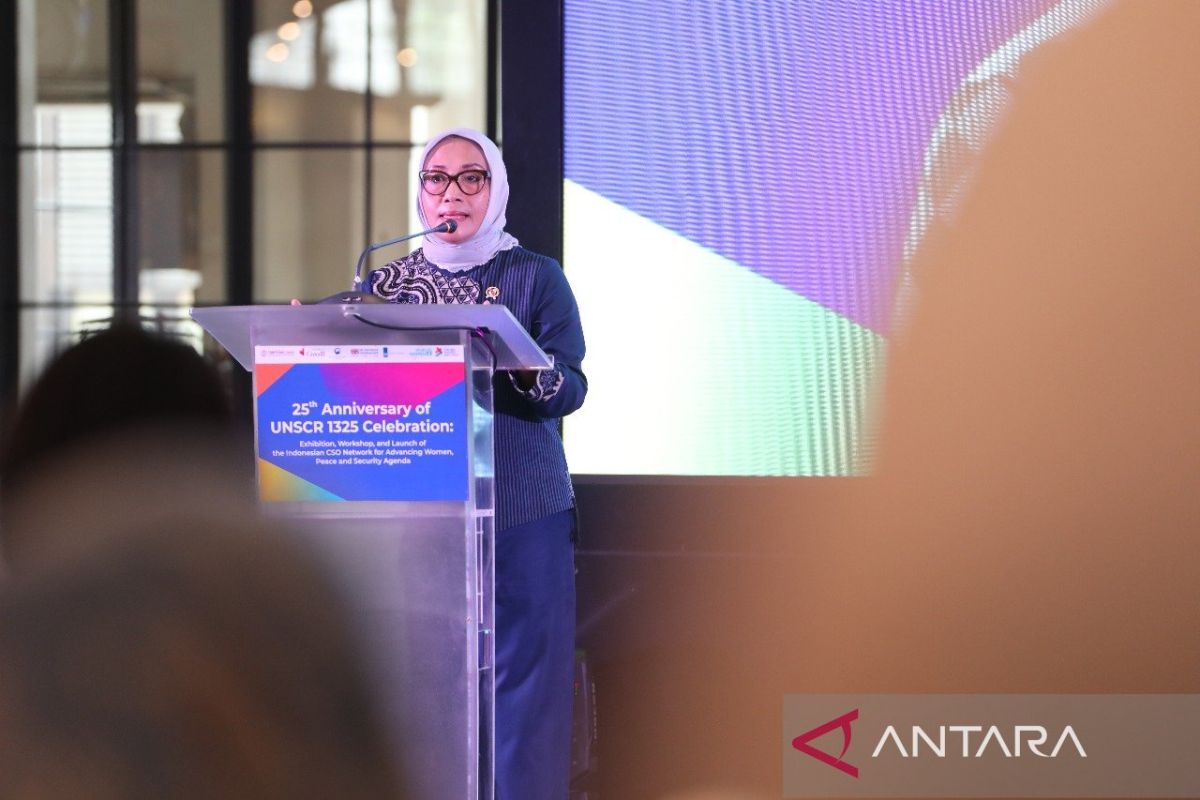
Indonesian Minister of Women's Empowerment and Child Protection, Arifah Fauzi, highlighted the importance of enhancing child protection in the Ponorogo region, located in East Java, despite the area achieving a Gender Development Index (GDI) that exceeds the national average. Ponorogo recorded a GDI of 94.6, surpassing the national average of 91.85.
The minister explained that the GDI is an index that measures the equality of human development achievements between genders, including areas such as health, education, and economics. She noted that achieving a GDI close to 100 signifies a reduction in the gender gap in development.
Event Details
Arifah Fauzi added that achieving the GDI in Ponorogo is a significant accomplishment, reflecting progress in gender equality. However, she stressed the need to focus on child protection, as the Child Protection Index (CPI) in Ponorogo stands at 73.30, which is lower than the average in East Java of 75.62. This index measures the extent to which children's rights are fulfilled in areas such as health, education, and protection.
The minister also addressed the importance of collaboration among various sectors to provide a safe and just environment for women and children, pointing out that women and children are projected to represent approximately 70% of Indonesia's population by 2025. This makes it essential for their rights protection to be a priority in development plans.
Background & Context
Historically, Indonesia has witnessed increasing efforts to promote the rights of women and children, with numerous initiatives and government policies launched to support this trend. However, significant challenges remain in achieving gender equality and child protection, especially in rural areas like Ponorogo.
As one of the largest countries in Southeast Asia, Indonesia faces multiple challenges in social and economic development. Therefore, improving human development indicators, including child protection, is a crucial part of the government's strategy for achieving sustainable development.
Impact & Consequences
The statements made by the Minister of Women's Empowerment and Child Protection represent an important step towards raising awareness about child protection issues in Indonesia. Improving indicators related to child protection can lead to enhanced quality of life for children and increase their opportunities for education and healthcare.
Moreover, strengthening the rights of women and children can contribute to achieving sustainable economic and social development in the country. The more opportunities women and children have for education and work, the greater their potential to contribute to the national economy.
Regional Significance
Arab countries and Indonesia share many challenges related to the rights of women and children. Similar to Indonesia, many Arab nations face issues concerning gender equality and child protection. Therefore, Indonesia's experiences in promoting these rights can serve as a model for the region.
Enhancing the rights of women and children in Arab countries can contribute to achieving sustainable development and bolster social stability. Thus, cooperation between Arab nations and Indonesia in this field could have a positive impact on both sides.