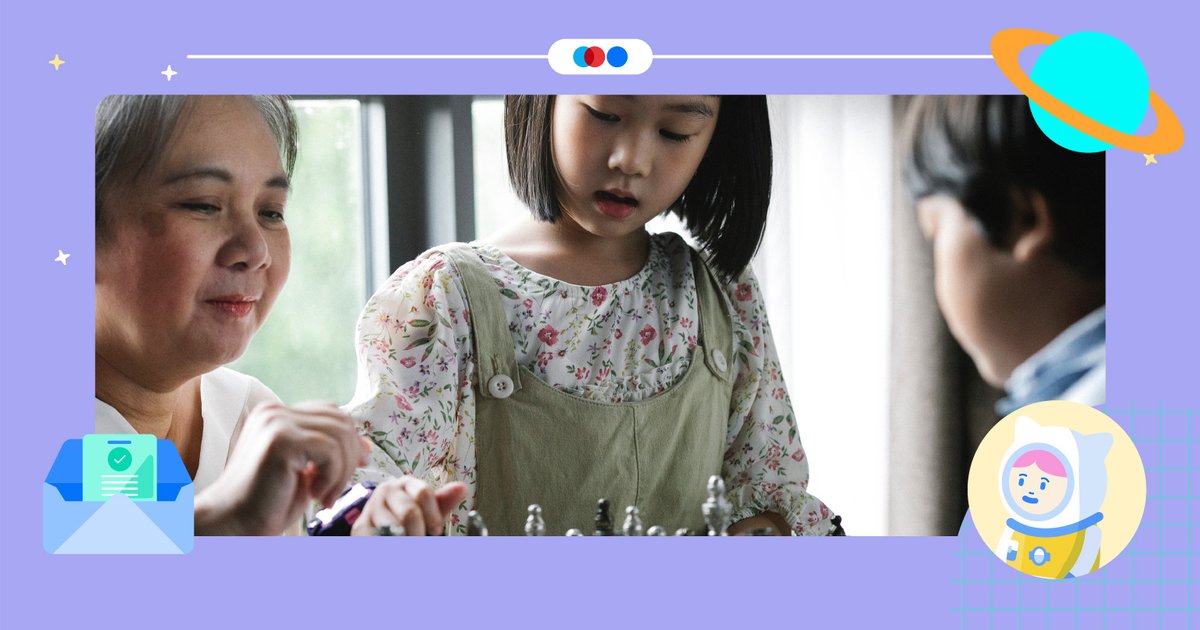
Psychological resilience is one of the essential skills that children need to face life's challenges. In a world filled with pressures and rapid changes, it becomes necessary to enhance this skill in children from a young age. This article presents effective methods for developing psychological resilience, which helps children adapt to various circumstances and overcome difficulties.
First, parents should promote open communication with their children. It is important for children to feel that they can express their feelings and thoughts without fear of judgment. This type of communication enhances self-confidence and encourages children to face challenges instead of avoiding them.
Details of the Event
Secondly, children should be taught how to deal with failure. Failure is a natural part of life, and children must learn how to handle it positively. By encouraging them to view failure as an opportunity to learn, they can develop a more resilient and strong mindset.
Moreover, parents can enhance psychological resilience by encouraging children to make decisions. When children are given the opportunity to make their own choices, even if they are simple, it fosters their sense of independence and increases their ability to face challenges.
Background & Context
In recent years, psychological pressures on children have increased due to social and economic changes. Social media contributes to creating a competitive environment that may negatively affect children's mental health. Therefore, enhancing psychological resilience has become urgent to help them adapt to these challenges.
Studies show that children with higher psychological resilience are better able to cope with psychological and social pressures. Thus, investing in developing this skill is an important step towards building a strong generation capable of facing future challenges.
Impact & Consequences
The impact of psychological resilience is not limited to the individual but extends to society as a whole. Children with greater psychological resilience are more capable of positively interacting with their peers, contributing to building healthy social relationships. Additionally, this skill helps reduce rates of depression and anxiety among children.
When children learn how to deal with challenges positively, they become more prepared to face life's difficulties in the future. This positively reflects on society, as it nurtures a generation capable of innovation and adapting to changes.
Regional Significance
In the Arab region, where children face multiple challenges due to political and economic crises, enhancing psychological resilience becomes even more important. Families and communities must work together to provide a supportive environment that encourages children to develop their psychological skills.
By enhancing psychological resilience, children in the Arab region can become more capable of facing the challenges they encounter, contributing to building a better future for themselves and the communities they live in.
In conclusion, developing psychological resilience in children is not just an option but a pressing necessity in a world full of challenges. By following these tips, parents and educators can contribute to building a strong generation capable of facing the future.