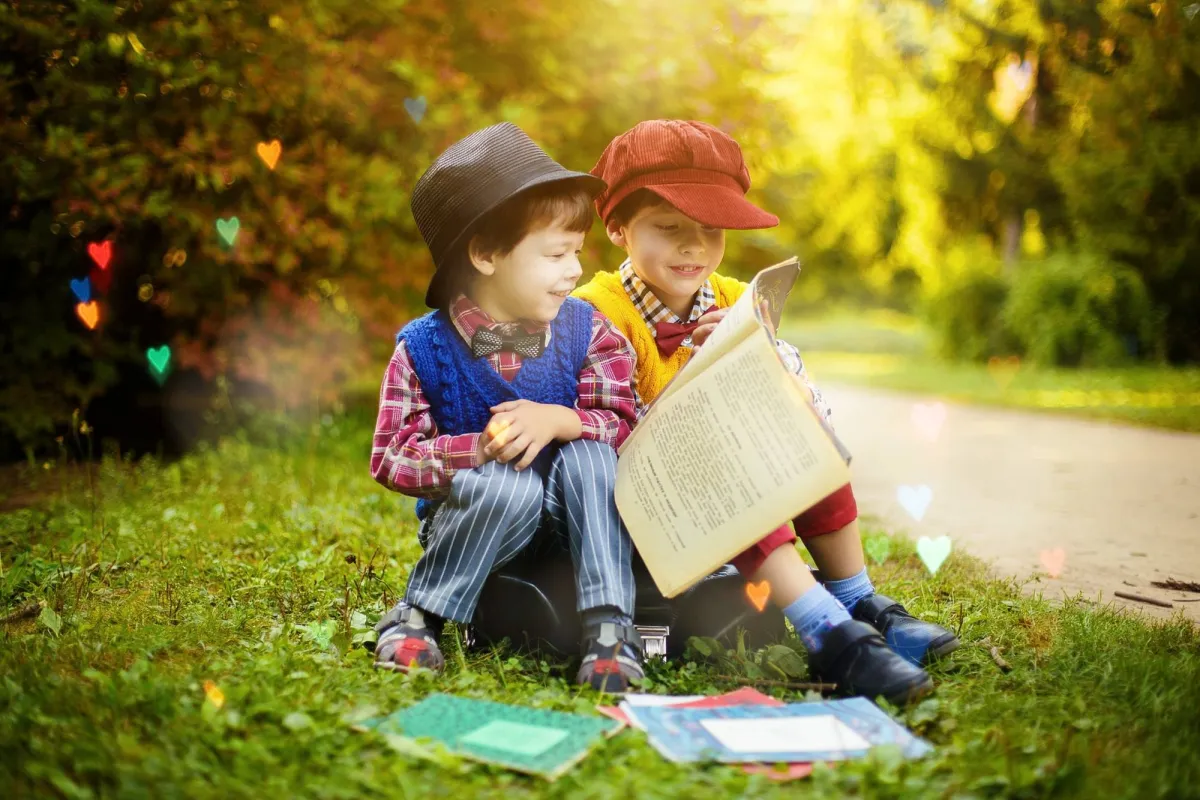
Raising children in today's world necessitates a focus on developing a set of essential skills that contribute to building a balanced personality capable of adapting to challenges. In addition to academic education, life and social skills play a pivotal role in shaping a child's character and enhancing their ability to interact with their environment.
Communication skills are considered one of the fundamental pillars in building a child's character, enabling them to express their thoughts and feelings clearly and confidently. These skills include effective listening, understanding non-verbal cues, and positively interacting with others. Developing these skills contributes to building healthy relationships with peers and teachers, enhancing the child's integration into society.
Details of the Skills
Self-confidence skills help children believe in their abilities and take initiatives without excessive fear of failure. They also enhance their independence in making age-appropriate decisions, positively reflecting on their personal growth. Experts emphasize that developing self-awareness in children contributes to building a positive self-image, which is the foundation for future development.
In a complex and changing world, it becomes essential for children to acquire the ability to analyze problems and think logically to find appropriate solutions. These skills contribute to developing critical thinking, enabling children to understand different perspectives and make informed decisions, making them more capable of facing daily challenges.
Background & Context
Emotional intelligence is a crucial element in building a balanced personality, as it helps children understand and manage their emotions, in addition to empathizing with others. This ability enhances their psychological resilience, helping them cope with stress and build positive and stable relationships.
Through cooperation, children learn the importance of working within a team and sharing responsibilities. Group activities contribute to fostering a spirit of participation and mutual support, developing their social skills and making them more capable of integrating into different environments, whether at school or in their future lives.
Impact & Consequences
Self-discipline is one of the most important skills that help children organize their behavior and control their impulses. It enables them to adhere to rules and make sound decisions based on conscious thinking, which enhances their sense of responsibility and qualifies them to achieve their long-term goals.
Developing these six skills—communication, self-confidence, problem-solving, emotional intelligence, cooperation, and self-discipline—forms the foundation for building a well-rounded personality. In a rapidly changing world, investing in these aspects becomes essential to ensure the emergence of a generation capable of adapting, innovating, and positively contributing to society.
Regional Significance
These skills are essential in the Arab context, where children face multiple challenges related to social and economic changes. Enhancing these skills contributes to preparing a generation capable of facing future challenges and contributing to building more cohesive and successful communities.
In conclusion, parents and educators must focus on developing these essential skills to ensure the emergence of balanced children capable of adapting to a rapidly changing world.