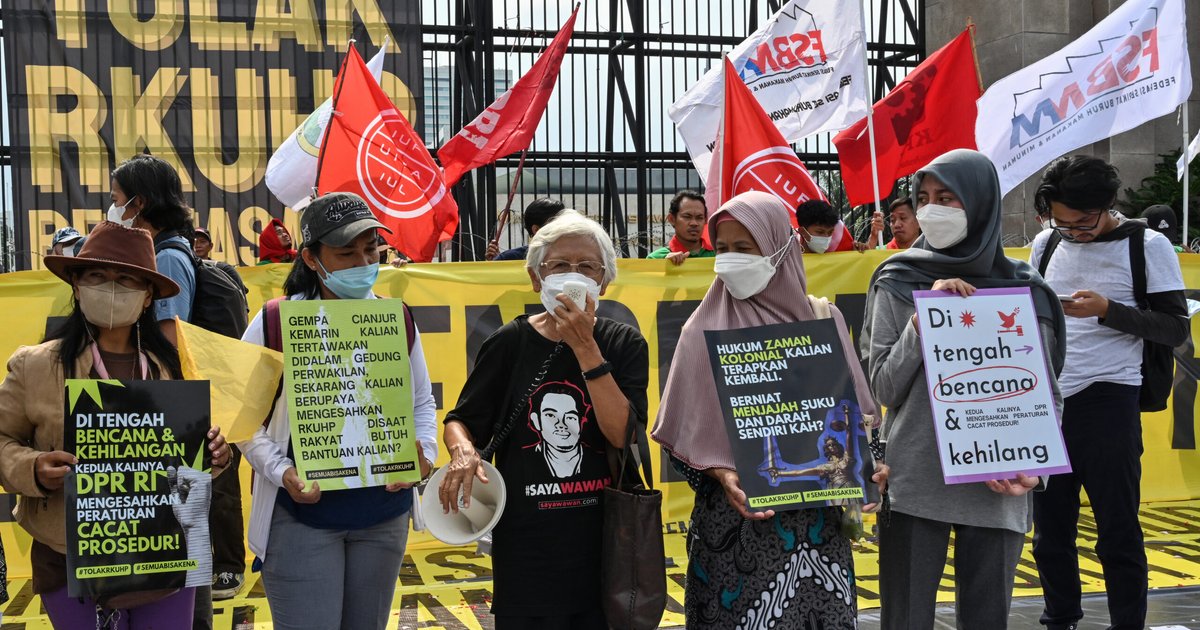
The Maluku prison administration, in collaboration with the Supreme Court in Ambon, held a meeting to strengthen coordination among institutions to support the implementation of Law Number 1 of 2023. This collaboration aims to ensure the law is applied effectively and consistently, reflecting the commitment of the involved parties to achieve justice.
In a statement, Ricky Dwi Piantoro, the head of the Maluku prison administration, confirmed that this collaboration includes concrete steps to enhance human resource capabilities through training programs related to the new law's content. The importance of modifying prisoner rehabilitation methods in line with restorative justice principles was also emphasized.
Event Details
The agreed-upon steps include enhancing technical coordination with other legal entities to ensure judicial decisions are implemented effectively. Piantoro noted that the prison administration will work to improve the role of social counselors in supporting judicial processes, including preparing social studies that assist judges in making decisions based on the new law.
Meanwhile, Crosby Lomban Gaul, the head of the Supreme Court in Ambon, welcomed this initiative and confirmed the court's readiness to support the implementation of the new law by enhancing judges' understanding of the new standards. He also pointed out the importance of ensuring judicial decisions are consistent with restorative justice principles.
Background & Context
These steps come as part of the Indonesian government's efforts to modernize its legal system and implement laws that align with social and economic developments. The new criminal law was adopted after extensive consultations with various stakeholders, reflecting the government's commitment to achieving justice and equality in law enforcement.
Historically, Indonesia has faced numerous challenges in its judicial system, including issues of corruption and delays in legal proceedings. Therefore, updating the laws is a significant step towards improving the effectiveness of the judicial system and increasing citizens' trust in justice.
Impact & Consequences
Enhancing collaboration among legal institutions is expected to improve the effectiveness of the judicial system in Indonesia. Good coordination between the prison administration and the courts can lead to a fairer application of laws, reflecting the government's commitment to achieving social justice.
Moreover, the implementation of the new law may contribute to reducing crime rates by providing effective rehabilitation programs for prisoners, helping them reintegrate into society after serving their sentences. This, in turn, can contribute to improving social and economic security in the country.
Regional Significance
These steps in Indonesia serve as a model for Arab countries seeking to modernize their legal systems. Many Arab nations face similar challenges in applying justice and achieving social security. These countries can benefit from Indonesian experiences in enhancing collaboration among legal institutions and applying restorative justice principles.
In conclusion, strengthening collaboration between the prison administration and the courts in Indonesia represents a significant step towards improving the effectiveness of the judicial system. These efforts are expected to contribute to achieving social justice and enhancing citizens' trust in the legal system.