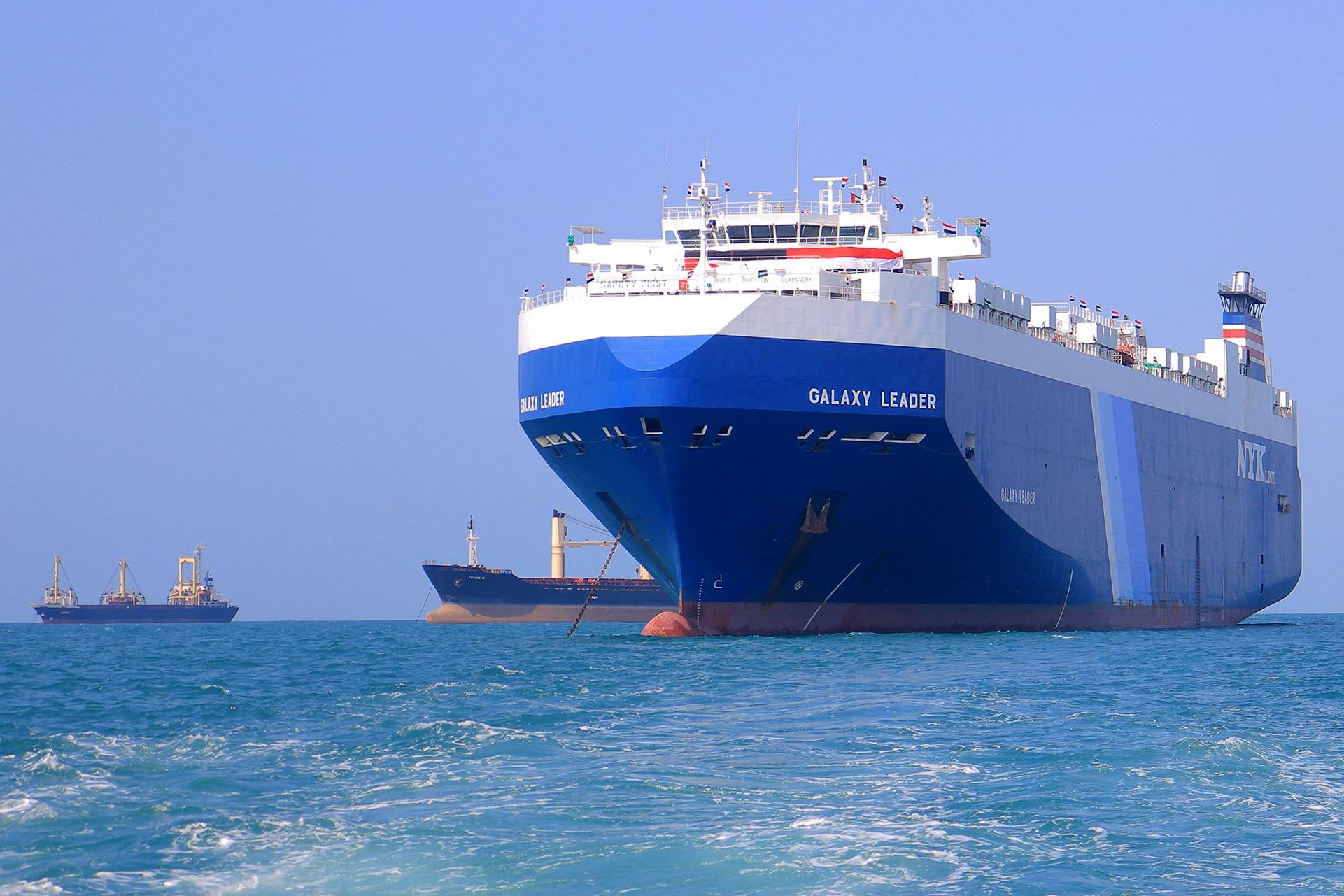
Egypt's ports are striving to enhance the competitiveness of the national economy by operating at full capacity. The Ministry of Transport has confirmed that all ports are functioning at their maximum capacity to accommodate the increasing trade movement. This initiative is part of the state's strategy to improve maritime transport efficiency and facilitate the movement of goods, contributing to economic growth.
The Egyptian ports are among the most vital facilities playing a pivotal role in international trade, handling millions of tons of goods annually. Reports have indicated a significant increase in the volume of cargo handled at Egyptian ports recently, reflecting the success of government plans to improve infrastructure and develop logistics services.
Event Details
The Ministry of Transport reported that all Egyptian ports, including the Port of Alexandria and the Port of Damietta, are operating at full capacity to accommodate the rising trade movement. Several measures have been taken to improve operational efficiency at the ports, including upgrading equipment and enhancing management systems. Additionally, cooperation with the private sector has been strengthened to provide better services for importers and exporters.
The Egyptian government aims to achieve its economic objectives by increasing the volume of foreign trade, with ports serving as a vital launch point for expanding markets and boosting exports. Statistics have shown a **15%** increase in the volume of goods traded through the ports compared to last year.
Background & Context
Historically, Egyptian ports have played an important role in regional and international trade, as Egypt is a strategic transit point between continents. With the increasing global economic challenges, it has become essential to enhance port efficiency to meet the changing market needs.
In recent years, the Egyptian government has launched several projects to develop ports, including the development of the Port of Alexandria and the Port of Damietta. These projects aim to improve logistics services and reduce customs clearance times, facilitating trade movement and enhancing the competitiveness of Egyptian products in global markets.
Impact & Consequences
Egypt's efforts to enhance the efficiency of its ports have a positive impact on the national economy, contributing to attracting foreign investments and boosting exports. Furthermore, improving maritime transport efficiency helps reduce shipping costs, which directly reflects on the prices of goods in the local market.
Moreover, increasing trade movement through the ports enhances job opportunities in the logistics sector, contributing to reducing unemployment rates and promoting economic stability. These efforts are expected to contribute to achieving the sustainable development goals pursued by the Egyptian government.
Regional Significance
Egyptian ports are among the most important commercial centers in the Arab region, facilitating trade movement between Arab countries. By enhancing port efficiency, Egypt can play a larger role in promoting Arab economic integration and increasing intra-Arab trade volume.
Additionally, improving logistics services at Egyptian ports can encourage other Arab countries to enhance cooperation in transport and trade sectors, contributing to achieving sustainable development in the region.
In conclusion, Egypt's efforts to enhance the efficiency of its ports represent an important step towards achieving sustainable economic development. By improving services and facilitating trade movement, Egypt can strengthen its position as a regional commercial hub and contribute to economic growth.