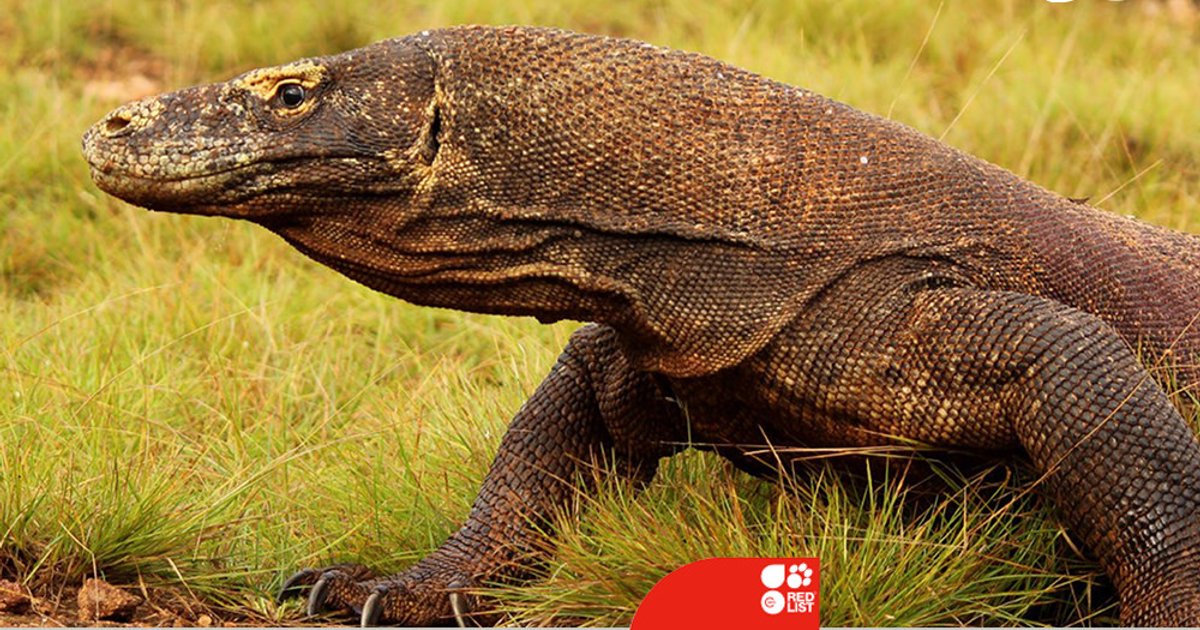
Surabaya Zoo (KBS) is one of the leading institutions dedicated to the conservation of the Komodo dragon, a reptile that symbolizes Indonesia. Situated in the heart of Surabaya, the zoo provides a suitable environment for breeding this unique species of reptiles, also known as the "dragon."
The breeding process for Komodo dragons requires substantial effort, as work is done to improve the living conditions and healthcare for these reptiles. The Komodo dragon is classified as an endangered species, making it essential to intensify conservation efforts, which the zoo's management aims to achieve through breeding and awareness programs.
Event Details
Surabaya Zoo strives to meet its goals by developing advanced breeding programs, utilizing modern techniques to ensure the success of reproduction. This requires a deep understanding of the Komodo's behavior and environmental needs, making work at the zoo a challenge that demands passion and dedication.
Surabaya, located in East Java, serves as an important launch point for Komodo conservation, as some reptiles are transferred to the zoo from their native habitat in East Nusa Tenggara. This collaboration between local and international institutions enhances the chances of success for conservation programs.
Background & Context
Historically, the Komodo dragon is one of the oldest reptiles on Earth, dating back millions of years. This species faces threats due to habitat loss and poaching, leading to a significant decline in its population. Therefore, the conservation efforts at Surabaya Zoo are part of a broader initiative to preserve biodiversity in Indonesia.
Indonesia is home to many unique species of animals and plants, making the conservation of these species vital for maintaining ecological balance. Surabaya Zoo serves as a model in the field of conservation, demonstrating how local institutions can play a pivotal role in protecting endangered species.
Impact & Consequences
The efforts of Surabaya Zoo highlight the importance of collaboration between governments and non-governmental organizations in environmental conservation. The success of breeding programs can contribute to reintroducing Komodo dragons into their natural habitats, thereby enhancing biodiversity in the region.
Moreover, these efforts raise environmental awareness among the public, encouraging support for other environmental initiatives. Education and awareness are fundamental parts of the zoo's strategy, as workshops and educational events are organized to inform visitors about the importance of conserving the Komodo dragon.
Regional Significance
Despite the geographical distance between Indonesia and the Arab world, the conservation efforts for the Komodo dragon serve as a model for the region. Arab countries can benefit from these experiences in developing their own biodiversity conservation programs, especially in light of the environmental challenges they face.
Enhancing international cooperation in environmental conservation is vital, as Arab nations can play a role in supporting global initiatives to protect endangered species. Environmental awareness is a crucial part of sustainable development, underscoring the importance of these efforts.