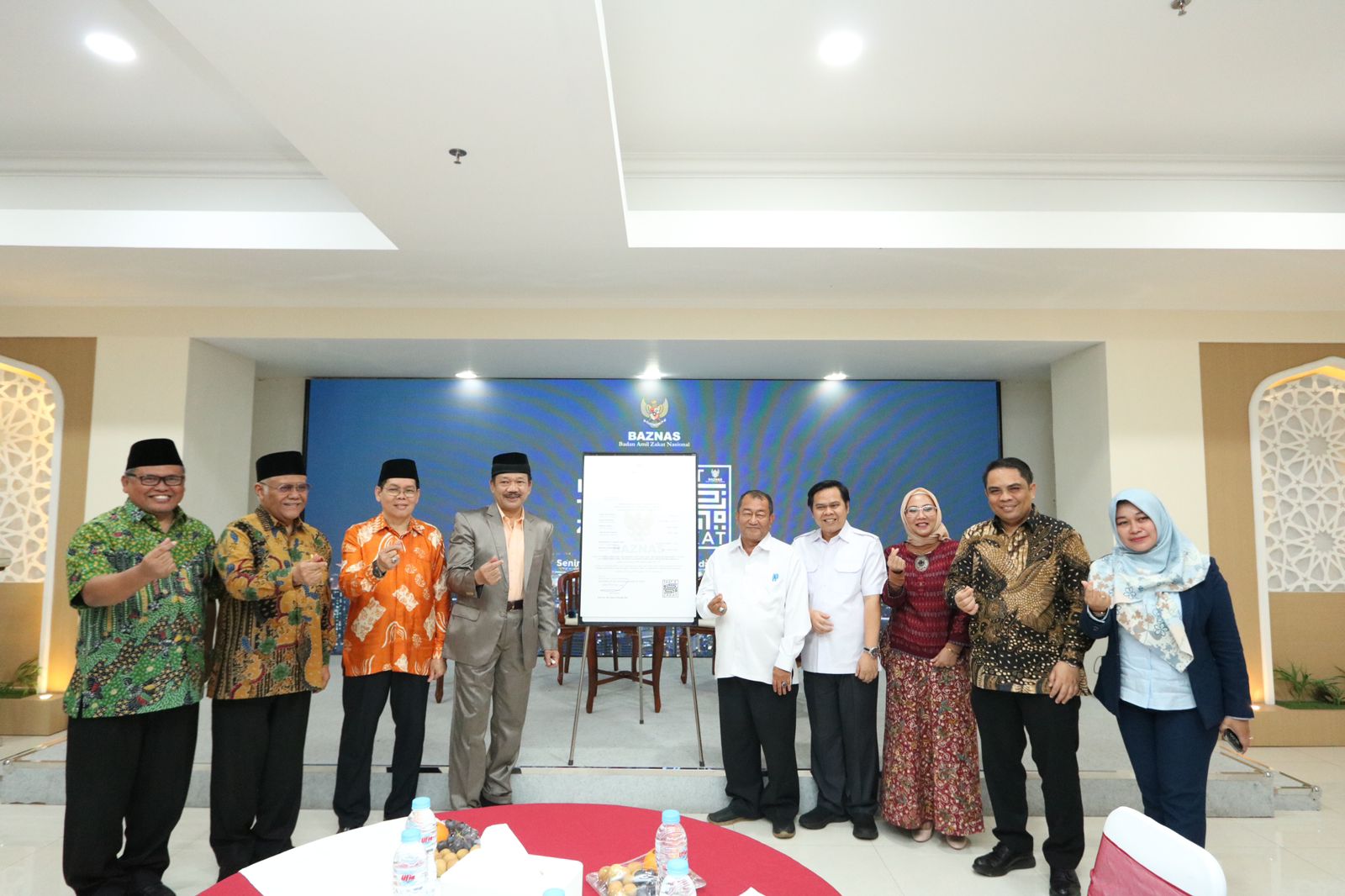
The National Zakat Management Agency (Baznas) in Indonesia convened a meeting with the National Planning and Development Agency (Bappenas) on April 7, 2023, where the importance of enhancing cooperation between the two entities to improve zakat management in the country was reaffirmed. The meeting, attended by Baznas Chairman Sodik Mujahid, Minister of National Planning and Development Rahmat Gobel, and Head of the Statistical Data Bank Amalia Adininggar Widyasanti, discussed ways to enhance the integration of zakat into national development plans.
During the meeting, Sodik Mujahid pointed out that improving zakat management is a priority for the Indonesian government, with national zakat potential estimated at around 327 trillion rupiah. He emphasized the necessity of achieving the goals set by the Indonesian president in this area, including enhancing data and programs related to zakat.
Event Details
Mujahid clarified that there are presidential directives concerning the improvement of zakat management, which include strengthening the zakat collection units at the village and regional levels, as well as digitizing zakat management. He stressed the importance of coordination with various governmental and non-governmental entities to achieve these objectives.
For his part, Rahmat Gobel expressed the ministry's readiness to support Baznas's efforts to increase national zakat collection, with a growth target of 100%. He noted that the current zakat collection rate does not exceed 10% of the available potential, presenting a significant opportunity to increase this percentage.
Background & Context
Historically, zakat is considered one of the fundamental pillars of the Islamic economy, playing a crucial role in achieving social justice and sustainable development. In Indonesia, improving zakat management is part of the government's efforts to achieve comprehensive development.
The Indonesian government aims to integrate zakat into national development plans, reflecting the importance of this resource in promoting economic growth and improving living standards. Zakat can serve as an effective tool for combating poverty and enhancing social development.
Impact & Consequences
Improving zakat management can contribute to enhancing economic growth and increasing social welfare. By raising the zakat collection rate, these resources can be directed towards developmental programs targeting the most needy populations, thereby contributing to the achievement of sustainable development goals.
Moreover, strengthening cooperation between Baznas and Bappenas could lead to improved data related to zakat, facilitating the planning and implementation of social programs. This collaboration may enhance the effectiveness of zakat distribution and ensure that it reaches the deserving individuals more accurately.
Regional Significance
Indonesia's experience in zakat management serves as a model that Arab countries could benefit from. Many Arab nations face similar challenges in effectively collecting and distributing zakat. Successful experiences in Indonesia can contribute to developing new strategies to improve zakat management in Arab countries.
In conclusion, enhancing cooperation between Baznas and Bappenas represents an important step towards improving zakat management in Indonesia, which could positively reflect on the country's economic and social development.