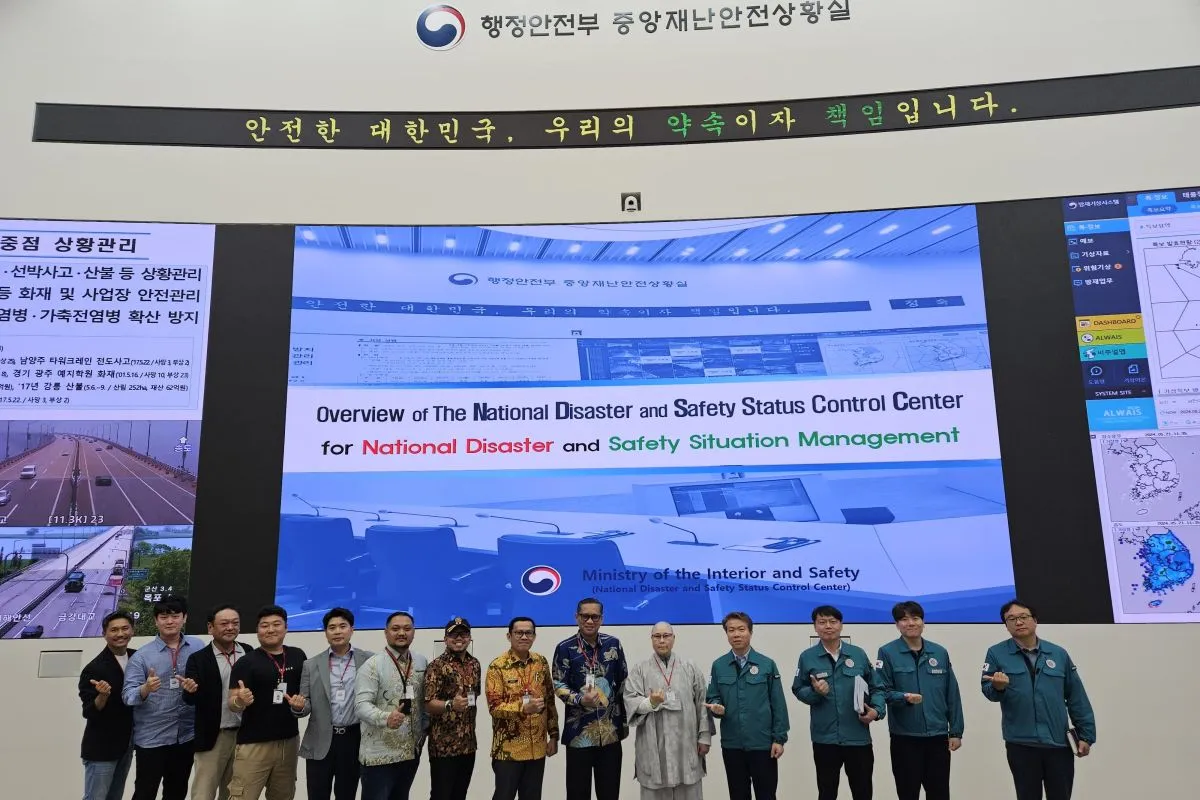
Indonesia and South Korea have announced the enhancement of their strategic cooperation in forest management through the signing of two agreements in the South Korean capital, Seoul. This announcement came during an official visit by Indonesian President Joko Widodo, where the agreements were signed between Indonesian Minister of Forestry Raja Juli Antoni and his South Korean counterpart Park Eun-sik.
The new agreements include a framework for cooperation on priority programs in the field of forestry, as well as a memorandum of understanding related to forest fire management and post-fire recovery. These steps aim to bolster the efforts of both countries in addressing climate change and improving natural resource management.
Details of the Agreements
The first document, titled "Framework for Cooperation on Priority Programs in Forestry," serves as an umbrella for strategic cooperation between Indonesia and South Korea. The Indonesian Minister of Forestry emphasized that this agreement will support both countries' efforts to combat climate change through sustainable forest management, including the rehabilitation of areas affected by fires and the development of eco-tourism.
The second document is a memorandum of understanding concerning forest fire management and post-fire recovery, which focuses on enhancing cooperation in areas such as prevention, preparedness, and response, as well as utilizing modern technology like satellite monitoring.
Background & Context
Indonesia and South Korea are among the countries facing significant challenges in forest management, with Indonesia experiencing recurrent forest fires that adversely affect the environment and public health. In recent years, the country has witnessed widespread fires that have destroyed vast areas of forest, increasing the need for international cooperation in this field.
Historically, Indonesia and South Korea have shared strong relations, collaborating in various sectors, including trade and technology. With the growing environmental challenges, it has become essential to strengthen these relations to encompass new areas such as forest management.
Impact & Consequences
Enhancing cooperation between Indonesia and South Korea is a crucial step in addressing environmental challenges, as it can lead to improved responses to fires and reduced damage caused by them. Additionally, the use of modern technology such as satellites will aid in better monitoring of forests, thereby enhancing both countries' abilities to respond swiftly to crises.
Moreover, these agreements could contribute to raising environmental awareness in both countries, driving them towards adopting more sustainable practices in natural resource management.
Regional Significance
While the news focuses on cooperation between Indonesia and South Korea, there are lessons that Arab countries can learn, especially those facing similar challenges in forest and natural resource management. International cooperation in areas like forest management can help improve responses to climate changes affecting the Arab region.
In conclusion, the collaboration between Indonesia and South Korea highlights the importance of collective action in addressing environmental challenges, reflecting the necessity of strengthening relations between countries in new areas that contribute to sustainable development.