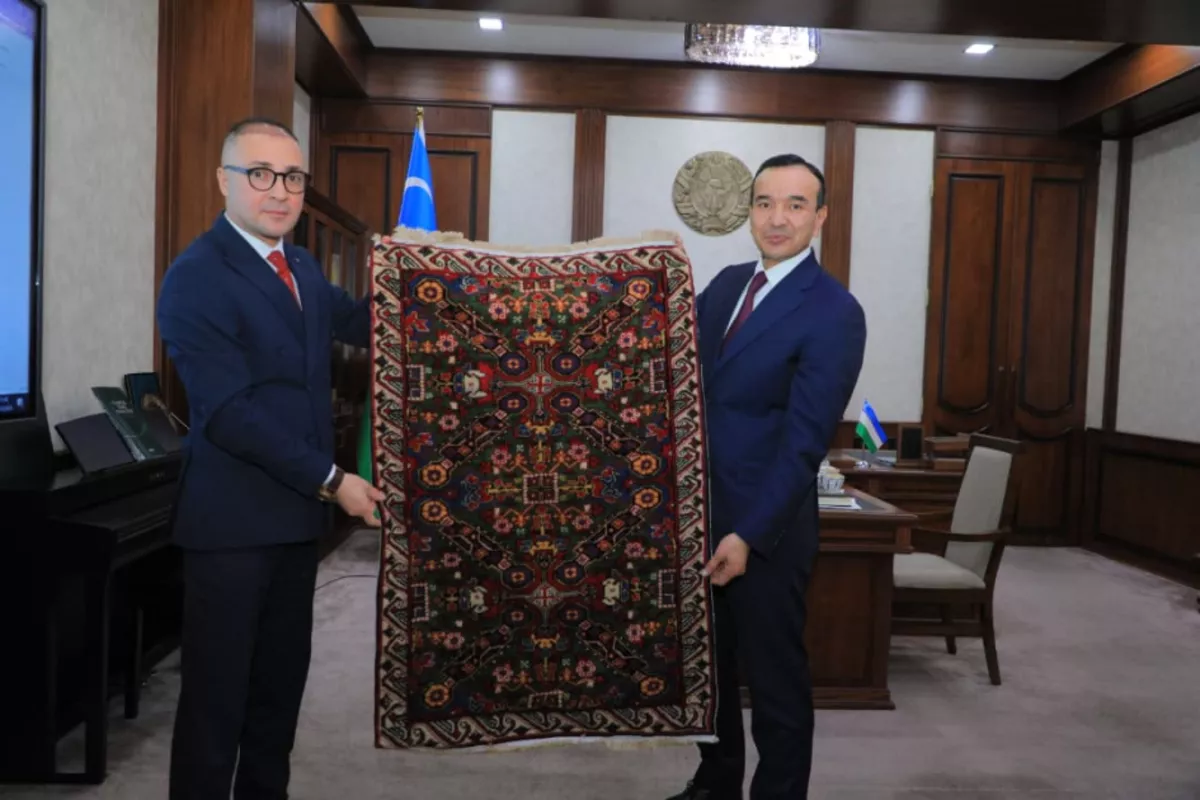
In a move aimed at enhancing cultural and tourism relations, the East Java government announced the strengthening of bilateral cooperation with Uzbekistan in the fields of culture and religious tourism. This announcement came during an official visit by diplomats from Uzbekistan, where the meeting took place at the Grahadi State Building in Surabaya.
Attending the meeting were the Uzbek ambassador to Indonesia, Oybek Ishonov, the governor of Samarkand, Adiz Boboev, and the deputy governor of Samarkand, Rustam Kabilov. East Java Governor Khoifi Indar Parawansa confirmed that the meeting also included several scholars and academics from both sides, reflecting the importance of cultural and religious cooperation between the two countries.
Details of the Event
During the meeting, Khoifi emphasized the historical and spiritual ties that bind East Java and Samarkand, pointing to the significance of these relations in enhancing religious tourism. She noted that these ties date back to prominent scholars in Islamic history, making them a strong foundation for developing religious tourism, especially through visits to the shrine of Imam Bukhari in Uzbekistan.
She further added that these historical connections could be strengthened through figures such as Sunan Giri and Maulana Malik Ibrahim, who contributed to the spread of Islam in the Nusantara region, reflecting the depth of cultural relations between the two nations.
Background & Context
Historically, relations between Indonesia and Uzbekistan have been characterized by cooperation in various fields, including education and culture. Imam Bukhari is considered one of the most prominent Islamic figures, with his shrine in Samarkand being an important destination for visitors from across the Islamic world. This historical context enhances the significance of cooperation between East Java and Samarkand.
Additionally, Indonesia, as the largest Muslim-majority country by population, continually seeks to strengthen its relations with other Islamic nations, contributing to mutual understanding and cultural cooperation.
Impact & Consequences
This cooperation is expected to enhance religious tourism between East Java and Uzbekistan, as Indonesian tourists are among the largest potential visitors to Uzbekistan. The establishment of direct flight routes between East Java and Samarkand or Tashkent could also contribute to an increase in visitor numbers, benefiting the local economy.
Moreover, strengthening cooperation in cultural and tourism sectors could lead to rich cultural exchanges, enhancing mutual understanding between the two peoples. This collaboration could serve as a model for relations between other Islamic countries.
Regional Significance
This cooperation between East Java and Uzbekistan is a positive step reflecting the interest of Islamic countries in enhancing cultural and religious relations. Such collaboration could have a positive impact on religious tourism in the Arab region, where Arab countries could benefit from successful experiences in promoting religious tourism.
Furthermore, strengthening relations among Islamic nations can contribute to enhancing Islamic unity, which is crucial in light of the challenges facing the Islamic community.