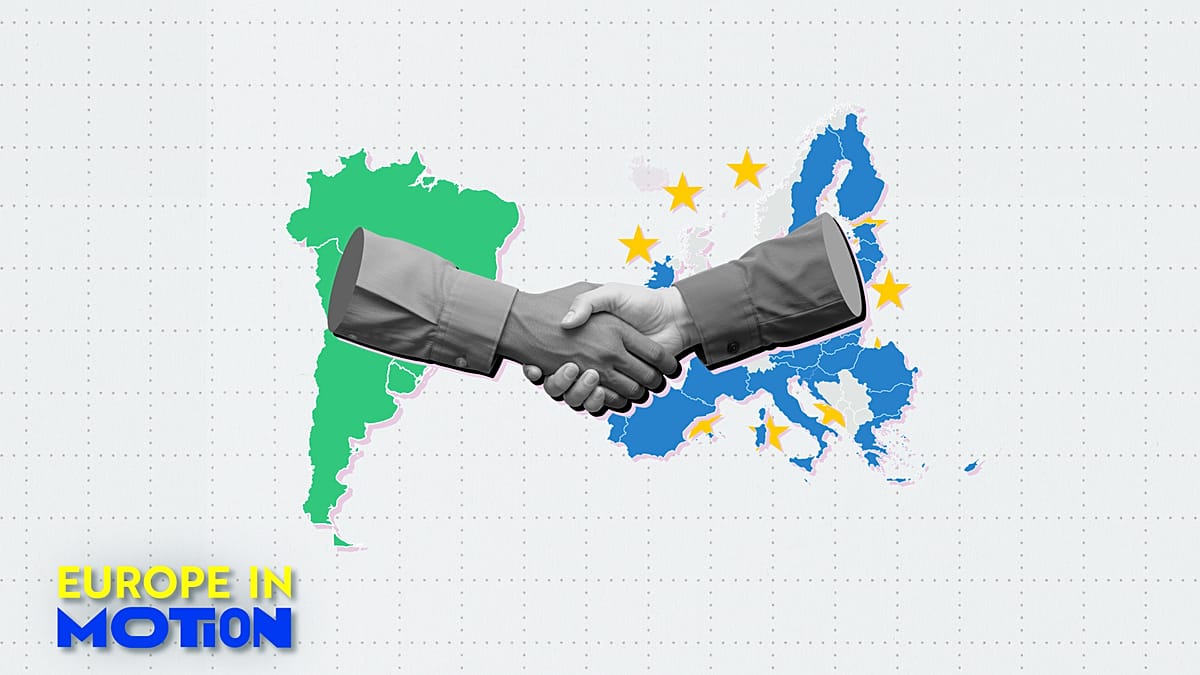
The free trade agreement between the European Union and the Mercosur countries, which include Argentina, Brazil, Paraguay, Uruguay, and Bolivia, came into temporary effect in May 2023. This agreement aims to enhance trade between both sides, with expectations that EU exports to the Mercosur region will increase by up to 39% by 2040.
In 2024, the trade value between the EU and Mercosur exceeded 111 billion euros, with EU exports reaching 55.2 billion euros and imports at 56 billion euros. Brazil is the EU's largest trading partner in this region, accounting for more than 80% of the trade volume.
Details of the Agreement
The Mercosur agreement includes reductions in tariffs on European goods such as cars, clothing, food, wine, and pharmaceuticals. In return, the EU will open its markets to agricultural exports from South America, while setting limits on imports of certain products like meat and sugar.
The agreement allows for the entry of 99,000 tons of beef annually into the EU with a tariff of 7.5%, and 180,000 tons of poultry without tariffs, to be implemented over five to six years.
Background & Context
This agreement comes after more than 25 years of negotiations, during which trade relations between the EU and Mercosur have developed significantly. Between 2014 and 2024, trade between both sides grew by over 36%, with imports rising by more than 50% and exports increasing by 25%.
This agreement is considered a strategic step to enhance economic relations between the two continents, as the EU seeks to strengthen its influence in South America amid increasing global competition.
Impact & Consequences
Despite the potential benefits, the agreement has raised numerous concerns in Europe. Countries like France and Ireland have warned that the agreement could lead to a decline in European agriculture and an increase in deforestation in South America. Many European farmers have expressed concerns that the influx of cheaper agricultural goods from Mercosur may harm their interests.
There are also worries about the potential concentration of quotas allocated for products like beef, as it is believed that larger countries in Mercosur may dominate access to these quotas, potentially harming smaller farmers in Europe.
Regional Significance
This agreement represents a significant step in enhancing economic relations between Europe and South America, which could impact global trade dynamics. The EU's efforts to establish stronger ties with South America are crucial in the context of shifting trade patterns and geopolitical influences.
In conclusion, the Mercosur agreement not only aims to boost trade but also reflects the EU's strategic interests in expanding its economic footprint in South America, potentially reshaping the landscape of international trade.