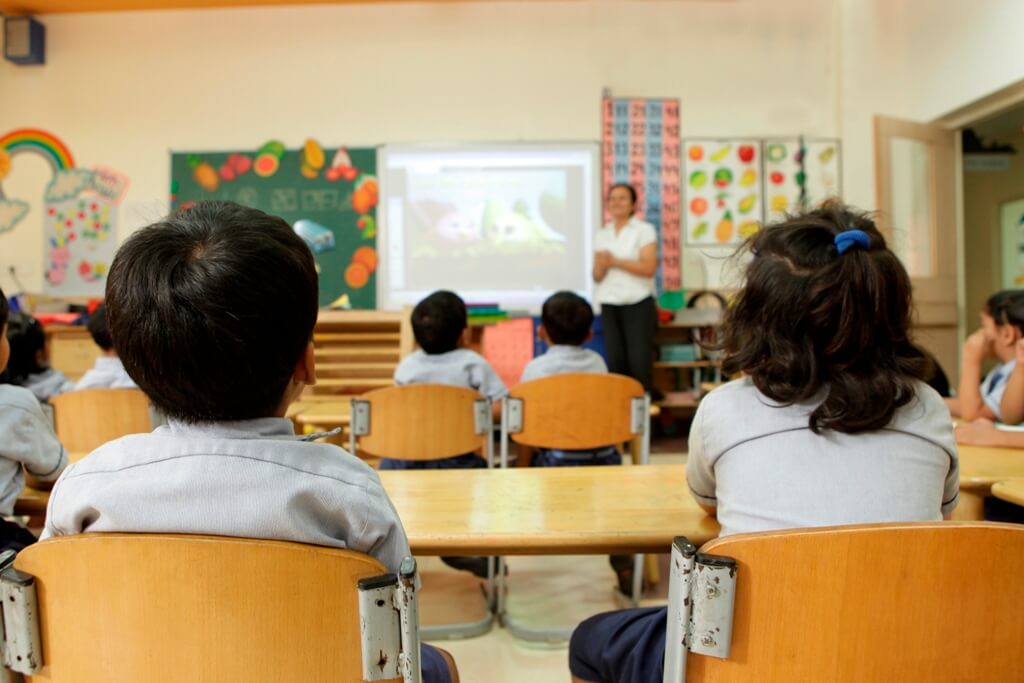
The digital infrastructure in schools is one of the essential factors contributing to the improvement of education quality and its outcomes. This infrastructure allows students to access diverse and interactive educational resources, enhancing their learning experience and increasing the effectiveness of education.
The digital infrastructure includes a range of elements, such as high-speed internet, smart devices, and advanced educational software. These elements work together to create an interactive learning environment, helping students to develop their skills more effectively.
Event Details
In recent years, many Arab countries have witnessed a growing interest in developing digital infrastructure in schools. Some governments have launched initiatives aimed at improving access to technology in classrooms. For example, laptops have been provided to students in some remote areas, helping to bridge the educational gap.
These initiatives aim to promote digital education, enabling students to use the internet to research information, interact with teachers, and participate in online educational activities. Moreover, the introduction of technology in education motivates students to learn and makes the educational process more engaging.
Background & Context
The interest in digital infrastructure in education stems from the rapid changes the world has experienced in technology. Digital education has become an urgent necessity in light of the challenges posed by the COVID-19 pandemic, as many students transitioned to remote learning. This shift made it essential for schools to be equipped with the necessary technology to support distance education.
Additionally, numerous studies have shown that using technology in education can lead to improved student outcomes. Research indicates that students who utilize digital resources in their studies tend to achieve better results compared to their peers who rely on traditional methods.
Impact & Consequences
The benefits of digital infrastructure in schools extend beyond merely improving education quality. This infrastructure also prepares students to face future labor market challenges. In a world moving towards digitization, it is crucial for students to possess the necessary digital skills.
Furthermore, enhancing digital education can help reduce the educational gap between urban and rural areas. Students in remote areas can benefit from the same educational resources available in major cities, thereby enhancing their opportunities for obtaining a quality education.
Regional Significance
In the Arab region, investing in digital infrastructure in education is a strategic step towards achieving sustainable development. Improving education quality can foster innovation and economic growth.
Moreover, promoting digital education can help address the social and economic challenges many Arab countries face. By providing equal educational opportunities for all, social and economic progress can be achieved, contributing to the overall stability of the region.
In conclusion, investing in digital infrastructure in schools is not just an option; it is an urgent necessity to ensure a better educational future for students in the Arab world.