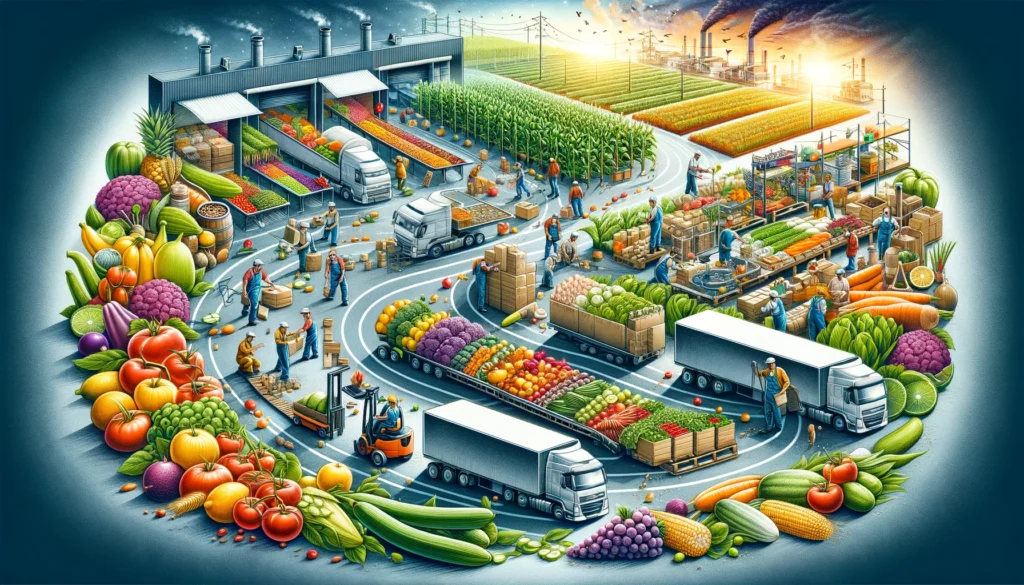
The Vice President of Indonesia's Food Supply Agency, Sonny Sunjaya, announced the commencement of efforts to develop the food supply chain as part of the government's initiatives to strengthen the local economy and achieve food security. This announcement was made during a press conference held on Thursday, where Sunjaya emphasized the importance of this step in meeting the growing food needs of citizens.
Sunjaya confirmed that the agency is working to improve efficiency in the supply chain by enhancing cooperation with local farmers and providing them with technical and financial support. He also noted that these efforts aim to reduce food product waste and increase the competitiveness of local products in the market.
Event Details
The Food Supply Agency seeks to achieve multiple objectives through the development of the supply chain, including improving the quality of food products and increasing their availability in markets. The agency is also working to strengthen partnerships with the private sector to expand distribution and improve logistics services.
In this context, a series of initiatives have been announced to support local farmers, including providing training on modern agricultural methods and offering affordable loans. These steps are deemed essential for improving agricultural productivity and ensuring the sustainability of food security in the country.
Background & Context
Indonesia is considered one of the largest food-producing countries in Southeast Asia; however, it faces significant challenges in the realm of food security. Despite the abundance of natural resources, there is a lack of efficiency in the supply chain, leading to substantial losses of food products before they reach consumers.
Historically, Indonesia has struggled with supply chain management, with reports of corruption and mismanagement at times. Nevertheless, the current government is striving to improve this situation by implementing new policies aimed at enhancing transparency and efficiency in this sector.
Impact & Consequences
The development of the food supply chain has positive implications for the local economy, as it is expected to lead to increased agricultural productivity and improved farmer incomes. Additionally, enhancing efficiency in the supply chain could contribute to reducing food prices, benefiting consumers.
Moreover, these steps may bolster Indonesia's ability to face future challenges related to food security, especially in light of climate change and the growing population. Improving the supply chain can also contribute to enhancing economic and social stability in the country.
Regional Significance
Indonesia's experience in improving the food supply chain serves as a model that Arab countries can benefit from, as many of these nations face similar challenges in food security. Arab countries can learn from the initiatives adopted by Indonesia to enhance local production and reduce reliance on imports.
Given the current economic circumstances, strengthening food security is a top priority for Arab nations, especially amid recurring crises affecting global supply chains. Cooperation between Arab countries and Indonesia in this area could contribute to achieving sustainable food security.