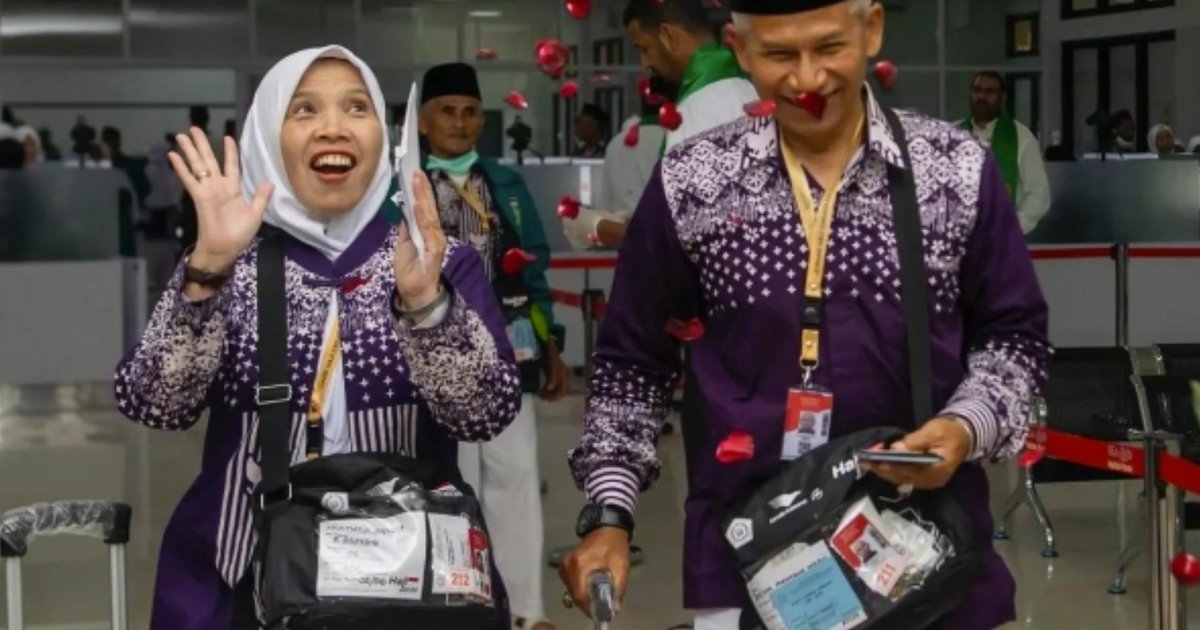
As part of the Indonesian government's efforts to provide integrated health services for pilgrims, Deputy Minister of Hajj and Umrah, Dahniil Anzar Simanjuntak, visited Mecca to review the preparations of partners in delivering healthcare. This step comes at a time when the focus on the importance of health care for pilgrims is increasing, especially since about 25% of Indonesian pilgrims are elderly, necessitating improvements in the models of health services provided.
During the visit, Dahniil inspected the German Saudi Hospital, which will collaborate with the Health of Pilgrims Center and health staff to provide necessary care for Indonesian pilgrims. He emphasized that health issues remain a top priority in organizing the Hajj each year, especially with the rising number of pilgrims facing high health risks.
Event Details
Dahniil clarified that the Indonesian government will work to enhance the presence of health clinics across various sectors, in addition to providing mobile clinics in the Arminah area, aiming to improve the level of health services and better monitor the health of pilgrims. He noted that these clinics will help deliver healthcare more effectively, ensuring the safety and comfort of pilgrims during their rituals.
Moreover, he pointed out that the government will provide permanent clinics in the accommodation centers for pilgrims, which will operate year-round, including offering services for pilgrims coming for Umrah. These services are expected to be strengthened through the Indonesian Health of Pilgrims clinics located in the Kingdom of Saudi Arabia.
Background & Context
Historically, health and safety issues during the Hajj season have posed significant challenges, especially with the increasing number of pilgrims from various countries. In recent years, there have been growing efforts by governments to ensure the safety of pilgrims, developing new strategies to address health issues, such as providing integrated medical services and training medical teams to handle emergencies.
Indonesia is one of the largest countries sending pilgrims to Saudi Arabia, with approximately 200,000 Indonesian pilgrims annually. As the number of pilgrims increases, the need to enhance the health services provided to them becomes more pressing, highlighting the importance of this visit and the efforts being made.
Impact & Consequences
These steps represent a direct response to the health challenges faced by pilgrims, as the Indonesian government aims to improve the quality of healthcare provided, contributing to an enhanced overall Hajj experience. These efforts are expected to reduce health risks, ensuring that pilgrims can perform their rituals safely and comfortably.
Furthermore, enhancing health services can contribute to improving Indonesia's image in the Islamic world, as good healthcare is considered an essential part of the Hajj experience. This may encourage more pilgrims to come from Indonesia in the coming years, strengthening cultural and religious ties between countries.
Regional Significance
The importance of these efforts transcends Indonesia's borders, reflecting the general trend towards improving health services in Islamic countries. With the increasing number of pilgrims from different nations, it becomes crucial for Islamic countries to collaborate in sharing experiences and developing joint strategies to ensure the safety of pilgrims.
Improving health services for pilgrims can serve as a model for other countries, enhancing the Arab region's capacity to accommodate the growing numbers of pilgrims safely and effectively. Ultimately, providing comprehensive healthcare for pilgrims reflects the commitment of Islamic countries to enhance the health and well-being of their citizens during the performance of Hajj rituals.