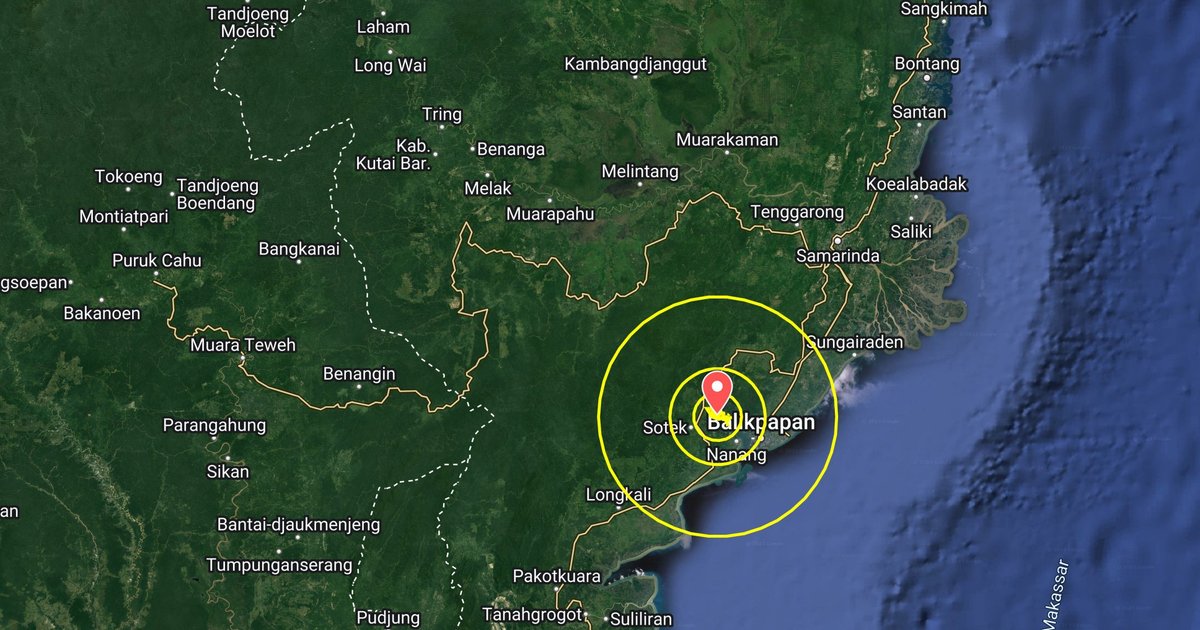
The Indonesian government has announced significant support for the Bengkayang region in East Kalimantan as part of its efforts to enhance healthcare services in the area. This support comes at a critical time as the region prepares to become a partner in Indonesia's new capital, reflecting the importance of strengthening health infrastructure.
According to statements from Lucasi Wan Edi Saputro, the director of Rato Aji Putri Butong Hospital, the central government has already begun equipping the hospital with modern medical tools, including a Computed Tomography (CT) Scan machine, which is expected to be operational by May 2026. This development marks a significant step towards improving the quality of healthcare services provided in the region.
Event Details
The Indonesian government, through the Ministry of Health, aims to enhance the hospital's capabilities, allocating a budget of approximately 5.8 billion rupiah for the construction of a heart service center at Rato Aji Putri Butong Hospital. This center will enable the hospital to perform heart stent procedures, contributing to better healthcare for patients in the region.
Furthermore, Saputro noted that the central government will provide additional support in the coming years, reflecting the government's commitment to enhancing healthcare services in areas surrounding the new capital.
Background & Context
These steps are part of Indonesia's plan to relocate its capital from Jakarta to East Kalimantan, where the new capital Nusantara has been announced as part of the government's vision to alleviate congestion in Jakarta and improve quality of life. This transition requires substantial investments in infrastructure, including healthcare.
Historically, Indonesia has faced a shortage of healthcare services in remote areas, leading to significant disparities in healthcare quality between urban and rural regions. Therefore, these initiatives represent a positive step towards achieving health equity.
Impact & Consequences
Improving healthcare services in the Bengkayang region will have positive effects on the local community, contributing to reduced mortality rates and increased quality of life. Additionally, the presence of advanced healthcare facilities will attract more residents and investors to the area, boosting economic growth.
Moreover, enhancing healthcare services in areas surrounding the new capital will help achieve the government's goals of providing comprehensive and accessible healthcare for all, which is part of the government's commitment to improving living standards.
Regional Significance
Although this news pertains to Indonesia, it highlights the importance of investing in health infrastructure, a relevant topic for Arab countries as well. Many Arab nations face similar challenges in healthcare, where they can benefit from positive experiences in other countries.
In conclusion, the Indonesian government's support for the Bengkayang region is a significant step towards improving healthcare services and reflects the government's commitment to enhancing health infrastructure in preparation for the new capital. These initiatives could serve as a model for other countries in the region.