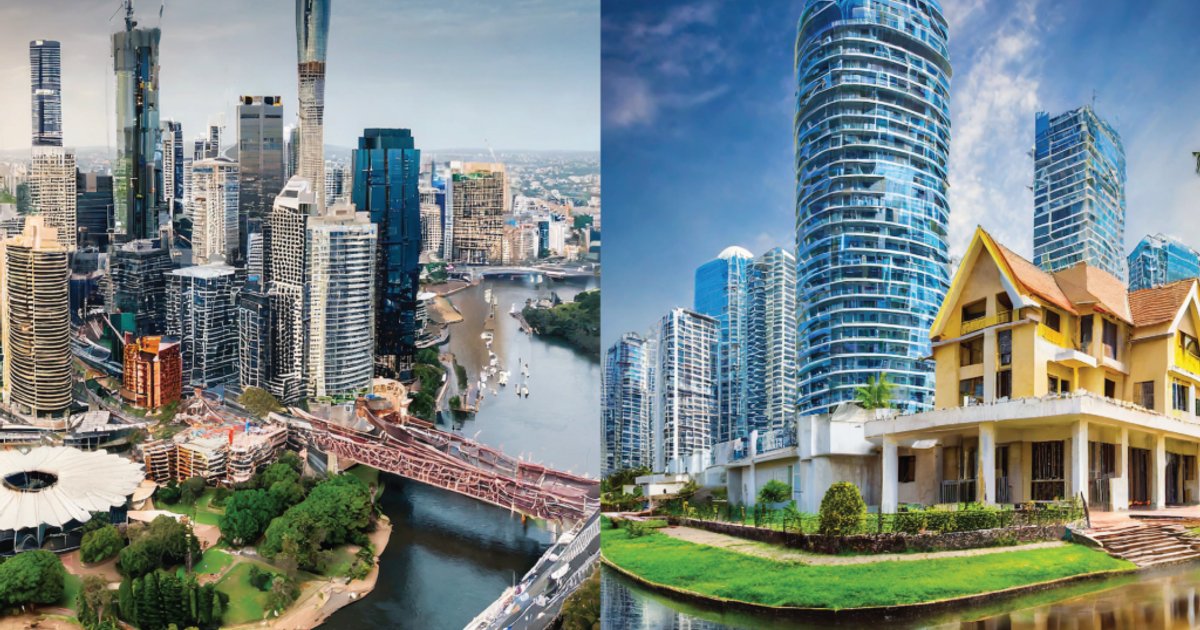
Vietnam's real estate market is undergoing substantial transformations, with infrastructure playing a pivotal role in enhancing this sector. As investments in infrastructure projects rise, the demand for properties is notably increasing, positively impacting the national economy.
The Vietnamese government is striving to improve the road and transportation network, along with developing ports and airports, which facilitates trade and mobility. These projects aim not only to enhance the quality of life but also to attract both foreign and local investments.
Details of the Developments
The Vietnamese government has announced ambitious plans to develop infrastructure, including the construction of new highways and the expansion of the railway network. These projects will help connect remote areas to urban centers, making access to markets easier and enhancing job opportunities.
Ho Chi Minh City is one of the prominent cities benefiting from these improvements, having witnessed an increase in the number of new real estate projects. Additionally, the development of ports in the city facilitates shipping and trade, reinforcing its status as an economic hub in the region.
Background & Context
Over the years, Vietnam has been working diligently to develop its infrastructure as part of its economic strategy. Following the economic opening in the 1990s, the country began attracting foreign investments, leading to a surge in demand for real estate.
Historically, Vietnam's infrastructure has suffered from significant deficiencies, negatively affecting economic growth. However, current trends indicate that the government is taking this issue seriously, as reflected in its ambitious plans.
Impact & Consequences
Studies confirm that improving infrastructure leads to an increase in property values. With new roads and modern facilities, the demand for housing and commercial spaces rises, contributing to local economic growth.
Moreover, these projects create new job opportunities, helping to reduce unemployment rates. Improved transportation also facilitates the movement of people and goods, enhancing overall economic activity.
Regional Significance
The lessons learned from Vietnam's experience can be beneficial for Arab countries seeking to develop their infrastructure. Investment in major projects can contribute to economic growth and improve living standards.
Infrastructure is a fundamental pillar of any developmental plan, so focusing on its development can have positive impacts across various economic sectors.
In conclusion, the developments in Vietnam's infrastructure serve as a model for the region, potentially contributing to economic growth and job creation, underscoring the importance of investing in this vital sector.