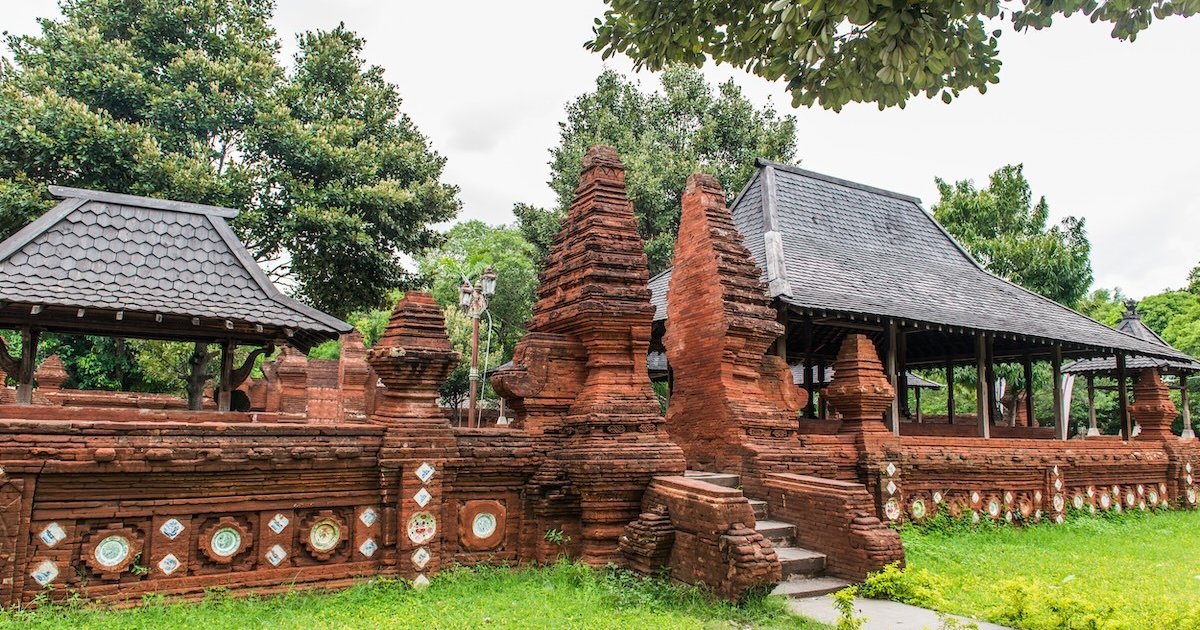
Indonesian Minister of Culture Fadli Zon has called for strengthening the role of Keraton Kasunanan in Cirebon as a key center for cultural education. This initiative includes updating exhibits at the Busaka Museum and revitalizing historical narratives to enrich the visitor experience, especially for the youth.
Fadli Zon emphasized that updating the exhibits should incorporate deep literary touches and more vibrant organization, enabling new generations to appreciate the architectural and cultural transformations the region has undergone since the 15th century to the present day.
Event Details
During his visit, the minister expressed particular interest in the collections of the Busaka Museum, which he described as comprehensive and impressive. He stressed the importance of historical narratives as a national asset, highlighting the need to improve storytelling techniques and lighting to make the experience more appealing to visitors.
Sultan Lukman Zulkaidin, representing the fifteenth generation of sultans, welcomed the minister's visit and provided an explanation of the history of Keraton Kasunanan, which dates back approximately 600 years, founded by Sunan Gunung Jati. He explained that the sultanate represents a continuation of the Pakujan monarchy, making it older than Keraton Yogyakarta and Keraton Surakarta.
Background & Context
Established in the 15th century, Keraton Kasunanan is considered one of the most important cultural landmarks in Indonesia. This keraton reflects a long history of cultural and political interaction in the region. Indonesia has witnessed significant transformations in its cultural identity over the ages, making the preservation of these landmarks critically important.
Keraton Kasunanan serves as an important cultural center, housing a collection of historical buildings that represent traditional Indonesian architecture. Among these buildings are Siti Inggil and Busaka Museum, making it an important educational and tourist destination.
Impact & Consequences
The Indonesian government aims to enhance cultural awareness among the youth through these initiatives, contributing to the preservation of the country's rich cultural heritage. Updating exhibits and improving storytelling methods in the museum can attract more visitors, thereby boosting cultural tourism in the region.
These steps also reflect the government's commitment to promoting culture and education, which may lead to improved cultural relations with other countries, especially in light of the global trend towards enhancing culture and the arts.
Regional Significance
Culture and heritage are also essential parts of Arab identity, as Arab countries strive to promote cultural heritage through similar projects. Strengthening the role of cultural landmarks as educational centers can serve as a model for Arab nations, where these landmarks can contribute to enhancing cultural identity and educating new generations.
In conclusion, enhancing the role of Keraton Kasunanan as a cultural and educational center is an important step towards preserving cultural heritage and raising awareness among new generations, contributing to the strengthening of cultural identity in Indonesia.