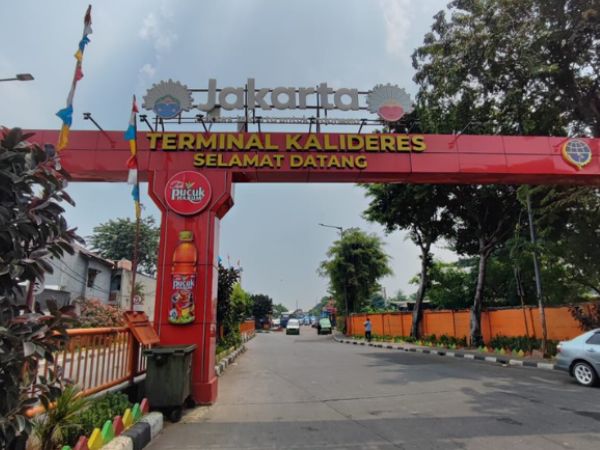
In a move aimed at improving the experience of public transport users, the management of Kali Deres bus station in Jakarta, Indonesia, has unveiled new plans to develop pedestrian services. These plans include the creation of dedicated walkways equipped with covers, making it easier for passengers to move to and from buses more comfortably and safely.
The head of Kali Deres station, Nur Prastio, confirmed that these walkways will extend from the bus departure point to the food court area, ensuring passenger comfort during their transit. He noted that the goal of these changes is to provide a comfortable environment for users, especially given the changing weather conditions that may affect their travels.
Details of the Initiative
This initiative comes at a time when Kali Deres station is witnessing an increase in passenger numbers, particularly with the growing reliance on public transport services such as TransJakarta buses. Prastio explained that having dedicated pedestrian paths will enhance the passenger experience, allowing them to wait in the food court area before completing their journey, thereby contributing to an overall improvement in service quality.
He also mentioned that the station management will conduct awareness campaigns for employees working in bus companies, aimed at enhancing the level of service provided to passengers. This step reflects the management's commitment to improving service quality and better meeting the needs of travelers.
Background & Context
Kali Deres station is considered one of the largest bus stations in Jakarta, receiving thousands of passengers daily. With increasing traffic and reliance on public transport, the need for infrastructure and service improvements has become more urgent. In recent years, Indonesia has seen growing efforts to develop its public transport system, including upgrading stations and expanding networks.
Historically, bus stations have suffered from a lack of basic services such as restroom facilities and designated waiting areas. However, the current trend towards improving services reflects the government's desire to promote the use of public transport and reduce traffic congestion.
Impact & Consequences
These improvements are expected to lead to an increase in the number of passengers using public transport services, contributing to a reduction in reliance on private cars. Additionally, providing a comfortable and safe environment for pedestrians may encourage more people to use public transport, positively impacting the environment by reducing carbon emissions.
Moreover, enhancing public transport services can contribute to boosting the local economy, as it will lead to increased commercial activity in the areas surrounding the station. Improving the passenger experience may also enhance the reputation of the public transport system in Indonesia, potentially attracting new investments in this sector.
Regional Significance
Indonesia's experience in improving public transport services serves as a model that many Arab countries facing similar transportation challenges can benefit from. In cities like Cairo and Baghdad, where transport systems suffer from congestion and service deficiencies, such initiatives could inspire innovative solutions to enhance the passenger experience.
Promoting the use of public transport in Arab countries can help reduce traffic congestion and improve air quality, benefiting public health and the environment. Therefore, adopting strategies similar to those being implemented at Kali Deres could have a positive impact on Arab communities.