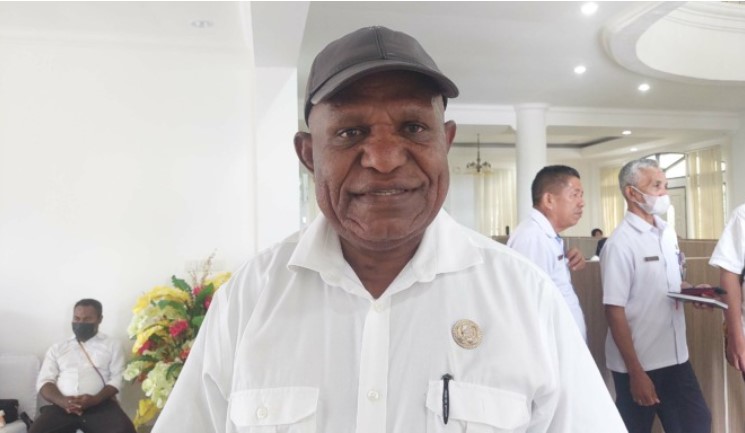
The Indonesian government, in collaboration with the Papua and Jayapura governments, has announced concrete steps to improve health service management in the Papua region, with a focus on the Yowari General Hospital. This announcement was made during a coordination meeting held in the capital, Jakarta, where the importance of coordination between the central and local governments was emphasized to achieve effective improvements in the health system.
Rabka Haluk, Deputy Minister of Home Affairs, expressed appreciation for the joint efforts among various sectors, noting that cooperation between the central and local governments is key to accelerating the reform process, especially in hospital management.
Event Details
During the meeting, several critical issues facing the Yowari Hospital were reviewed, such as patients being held in the emergency department for up to five days, along with problems related to cleanliness and public health. There were also mentions of non-compliance with protocols in dealing with patients and poor coordination between hospitals in referral cases.
In response to these issues, Rabka Haluk confirmed that the Ministry of Health is ready to implement comprehensive improvements, having tasked Dr. Sardjito Hospital with conducting a thorough assessment of the management of Yowari Hospital. This includes establishing four fundamental principles for hospital management, encompassing financial aspects, medical care, human resources, education and research, and operations.
Background & Context
The Papua region is considered one of the remote areas in Indonesia, facing significant challenges in providing integrated health services. Historically, this region has suffered from a lack of health resources, negatively impacting the quality of healthcare provided to the population. In recent years, the government has increased its efforts to improve health conditions in the area, but many obstacles still need to be addressed.
The Indonesian government seeks to enhance cooperation with private and military institutions, such as the Indonesian Army, to better distribute patients and provide more efficient health services. Collaboration with Chandra Wasi University has also been proposed to support the availability of medical personnel in the region.
Impact & Consequences
These steps represent a new beginning for improving the health system in Papua, potentially leading to enhanced quality of healthcare and reduced waiting times for patients. Improving hospital management will strengthen the health system's ability to handle health crises, contributing to better public health in the region.
Moreover, enhancing coordination between the central and local governments could serve as a model for other areas in Indonesia facing similar challenges. The success of these initiatives may lead to comprehensive improvements in the country's healthcare system.
Regional Significance
Although this news pertains to Indonesia, the lessons learned from improving the health system in Papua may be relevant to Arab countries facing similar challenges in providing effective health services. Arab nations could benefit from Indonesia's experiences in fostering cooperation between the government and the private sector to enhance healthcare quality.
In conclusion, this collaboration between the Indonesian government and the Papua and Jayapura governments represents a positive step towards improving health services in a resource-scarce area. The success of these initiatives could have positive impacts on public health levels in Indonesia and may serve as a model for other regions.