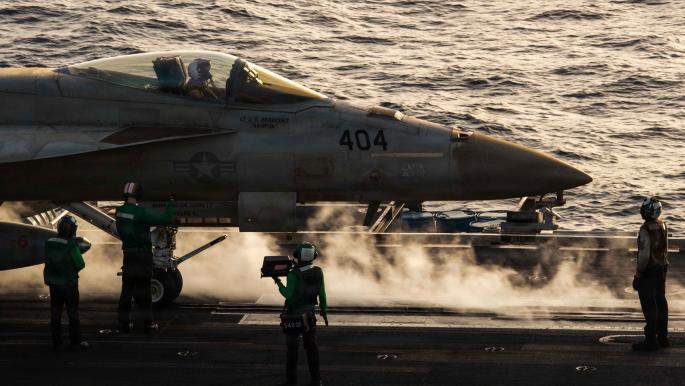
The New York Times revealed details of a special training program for American pilots aimed at enhancing their survival skills following aircraft crashes, particularly after a recent incident in Iran. This training, known as SERE, is part of ongoing efforts to improve safety and emergency response capabilities.
These trainings come at a sensitive time, as incidents of American military aircraft crashes in conflict zones have increased, raising concerns about pilot safety and the effectiveness of existing protocols in such situations. The program includes a variety of training scenarios that simulate the real-life conditions pilots may face if their aircraft goes down.
Details of the Training Program
The SERE training encompasses a range of essential skills that pilots need to survive in hostile environments. Participants learn how to utilize available equipment, such as communication devices, and how to navigate rugged terrain, as well as survival strategies in the wilderness.
The program also emphasizes the ability to make quick and accurate decisions under pressure, which is crucial in emergency situations. Pilots receive training on how to cope with the psychological challenges they may face after a crash.
Background & Context
Historically, U.S. forces have experienced numerous aircraft crashes, whether in combat or during training exercises. The recent incident in Iran, which resulted in the downing of a military aircraft, served as a wake-up call for U.S. military leadership, prompting a reassessment of training and safety strategies.
These trainings are part of a broader strategy aimed at enhancing pilot safety, especially in areas experiencing armed conflicts. Reports have shown that pilots who undergo intensive survival training have a higher chance of survival in crash situations.
Impact & Consequences
This training is an important step towards enhancing pilot safety and may positively impact the morale of the U.S. Air Force. By improving survival skills, pilots may feel more secure and confident while carrying out their missions, which could reflect on their performance in the field.
Furthermore, enhancing pilot safety may reduce the risks associated with military operations, contributing to the strategic objectives of U.S. forces in conflict zones.
Regional Significance
Amid ongoing tensions in the Middle East, the training of American pilots may have indirect effects on security conditions in the region. Strengthening the capabilities of American pilots could increase the United States' ability to conduct precise military operations, potentially impacting the balance of power in the region.
Additionally, these trainings may provoke reactions from concerned nations, complicating the security landscape in the Middle East. Ultimately, the safety of American pilots remains a critical issue, not only for their personal security but also for regional and international security.