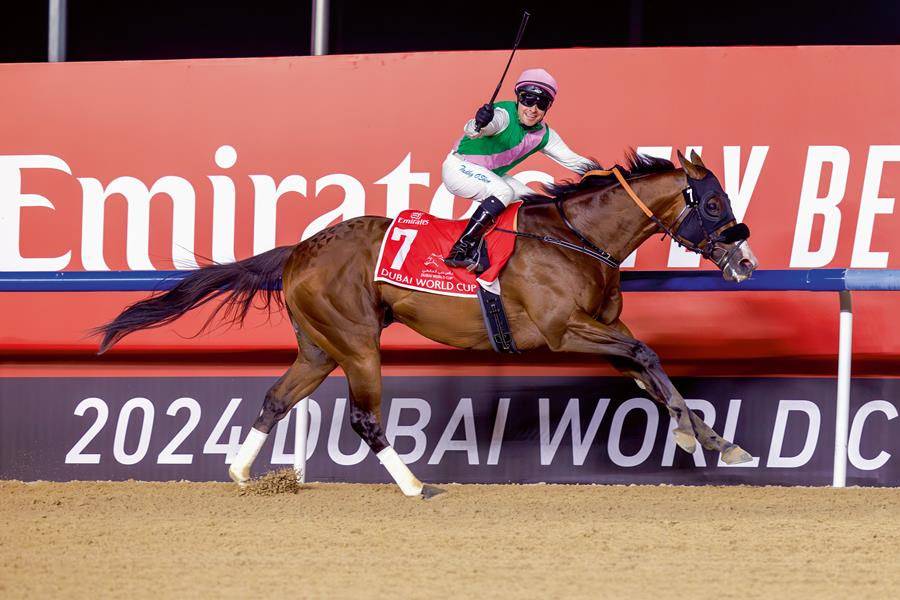
The Dubai World Cup, considered one of the premier sporting events in the UAE, has achieved five significant gains that enhance the UAE's equestrian status on the international stage. These gains extend beyond the sporting aspect, encompassing economic, cultural, and social dimensions.
Equestrianism is an integral part of the UAE's cultural heritage, symbolizing pride and national identity. With the growing global interest in this sport, the Dubai World Cup serves as an ideal platform to highlight this heritage and reinforce the UAE's position as a leading destination in the equestrian field.
Event Details
The Dubai World Cup events are held annually at Meydan Racecourse, bringing together the best horses and riders from around the world. In the latest edition of the championship, the competitions saw widespread participation from various nationalities, reflecting the global reputation that this event has garnered.
In addition to the competitions, the event includes a range of cultural and entertainment activities that attract visitors from all demographics. This diversity in events contributes to enhancing the visitor experience and reflects the UAE's commitment to providing a unique and distinctive experience.
Background & Context
Historically, equestrianism has been a fundamental part of Arab life, closely linked to culture and traditions. Over time, it has evolved into a competitive sport requiring high skills and intensive training. In the UAE, significant resources have been invested in developing this sport, leading to the emergence of new generations of professional riders.
The Dubai World Cup is one of the most prominent events that reflect this development, attracting global attention and reinforcing the UAE's position as a key destination for equestrian enthusiasts. Moreover, hosting this event reflects the UAE's vision of promoting sports tourism and developing the local economy.
Impact & Consequences
The achievement of these five gains from the Dubai World Cup has broad implications across various levels. Firstly, it enhances the sports infrastructure in the UAE, contributing to improving the quality of future sporting events. Secondly, it increases investments in the equestrian sector, creating new job opportunities and boosting the local economy.
Thirdly, it contributes to enhancing tourism, as the event attracts visitors from around the world, thereby increasing tourism revenues. Fourthly, it aids in developing local skills by providing training and development opportunities for Emirati riders. Lastly, it fosters international collaboration by attracting participants from different countries, facilitating the exchange of expertise and knowledge.
Regional Significance
Equestrianism is part of the Arab cultural heritage, and the Dubai World Cup serves as a model for other Arab countries in promoting this heritage. By hosting such events, Arab nations can enhance their standing on the international stage in equestrianism and traditional sports.
Furthermore, the success of the Dubai World Cup can encourage other Arab countries to organize similar sporting events, contributing to the promotion of sports tourism and the development of the local economy. Ultimately, the Dubai World Cup represents an opportunity to unify Arab efforts in promoting equestrianism as part of cultural identity.