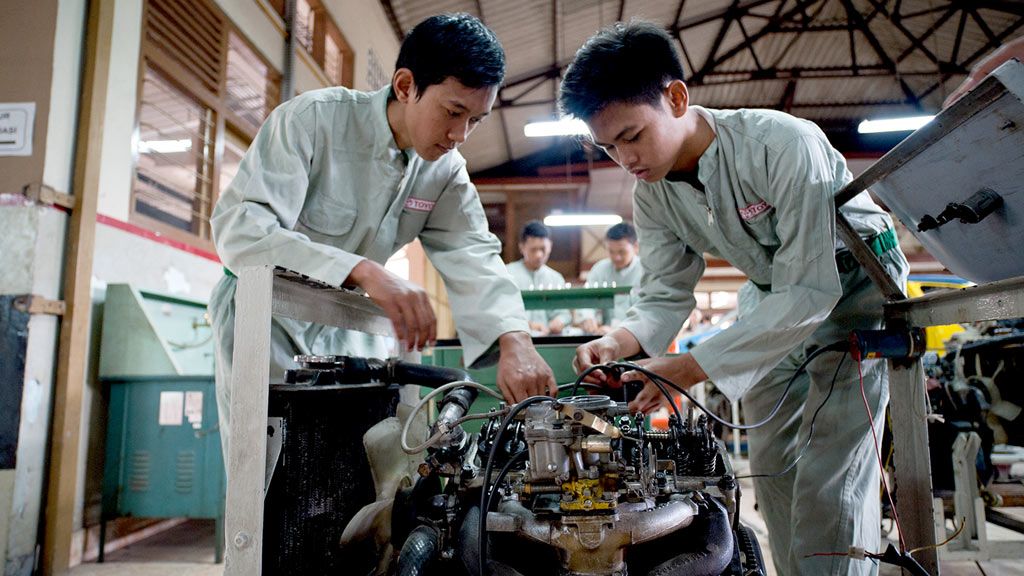
In a move aimed at enhancing the efficiency of vocational education, Diponegoro University in the city of Semarang, Indonesia, has announced its partnership with Tanka Foods, a Japanese company. This initiative is part of the university's efforts to equip its students with practical educational experiences that align with global market demands.
Budi Yono, the Dean of the Faculty of Vocational Education at the university, explained that this partnership will allow students to learn about global industrial practices, particularly in the fields of food processing and industrial management in Japan. This partnership will also provide opportunities for students to engage in international training programs, thereby enhancing their competitiveness in the job market.
Details of the Partnership
The partnership between Diponegoro University and Tanka Foods includes a range of training programs aimed at developing students' skills. Students will have the opportunity to train in Japan, enabling them to understand the Japanese work culture and apply technical skills in a real work environment.
The Dean of the faculty also noted that this initiative is not just an opportunity for training but also involves developing curricula to be more aligned with industry needs. This will help prepare graduates who possess a high level of professionalism and the ability to adapt to rapid changes in the job market.
Background & Context
Indonesia is considered one of the largest economies in Southeast Asia, with the Indonesian government striving to improve the vocational education system to meet the growing market needs. In recent years, there has been an increasing focus on enhancing cooperation between educational institutions and global companies, reflecting a shift towards skills-based education.
It is worth noting that vocational education in Indonesia faces multiple challenges, including a lack of resources and curricula that align with market demands. Therefore, this partnership represents a positive step towards addressing these issues and enhancing the quality of vocational education.
Impact & Consequences
This partnership is expected to contribute to improving the level of vocational education in Indonesia, leading to graduates with highly competitive skills. Moreover, this initiative may encourage more foreign companies to invest in Indonesian education, thereby boosting economic growth in the country.
Furthermore, collaboration between education and industry can lead to the development of new educational programs that align with global trends, helping students adapt to future challenges.
Regional Significance
This partnership serves as a model for Arab countries seeking to improve their vocational education systems. Arab nations can benefit from Indonesian experiences in enhancing cooperation between universities and companies, contributing to the development of skills among Arab youth and improving job opportunities.
In light of the economic challenges facing many Arab countries, investing in vocational education and collaborating with global companies can have a positive impact on the labor market and enhance youth competitiveness in regional and international markets.