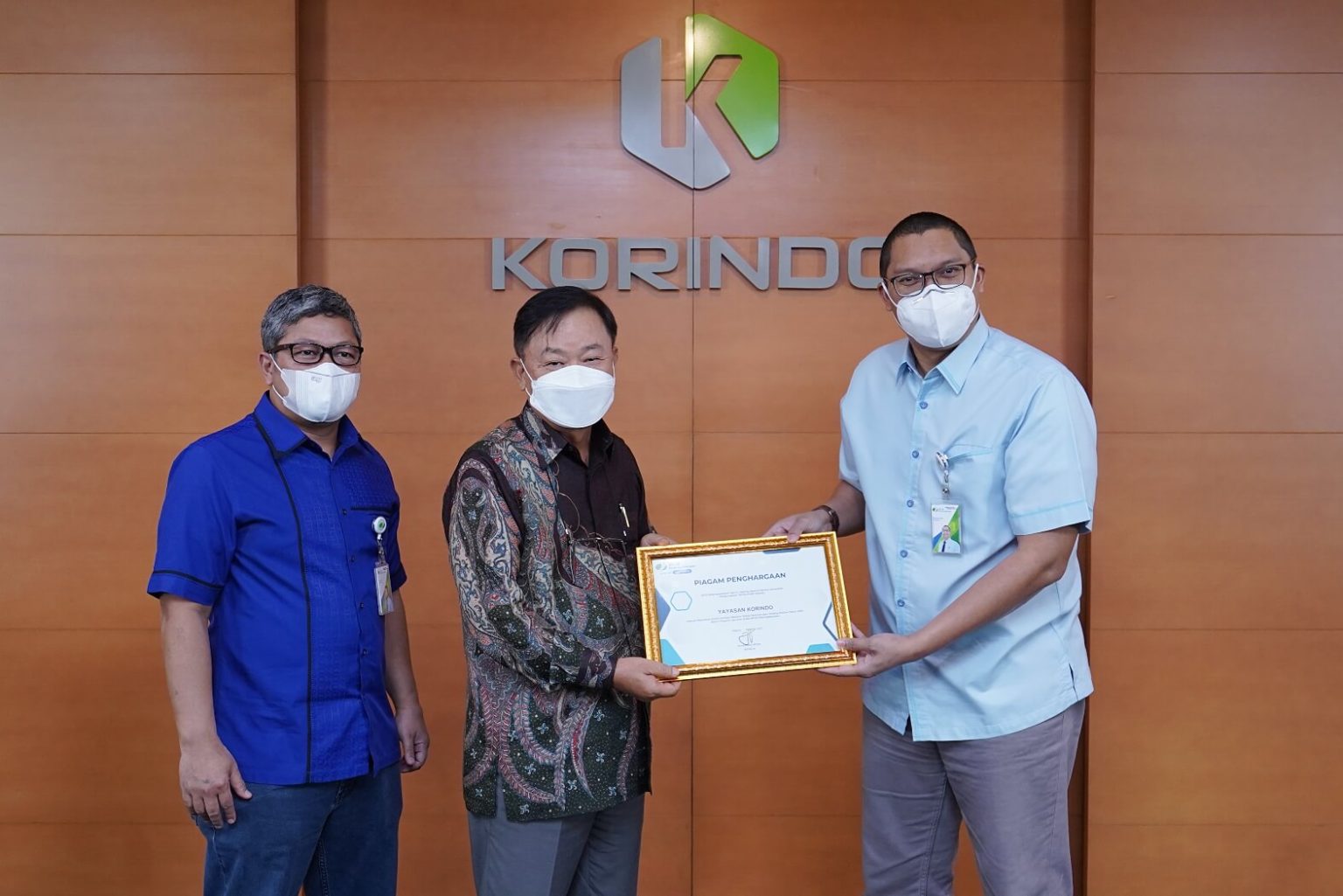
BPJS Ketenagakerjaan, the agency responsible for social security in Indonesia, has unveiled its new strategy aimed at enhancing worker protection through a plan known as 3C, which focuses on coverage, care, and credibility. This announcement was made during a meeting with the Labor Committee in the Indonesian Parliament, where the agency's executive director, Seiful Hidayah, emphasized the importance of this strategy in providing comprehensive and sustainable social security.
BPJS Ketenagakerjaan aims to expand its coverage to include as many workers as possible, whether in the formal or informal sector. Hidayah explained that coverage means extending social protection to all workers, ensuring their basic rights to healthcare and accident insurance.
Details of the Initiative
As part of this strategy, BPJS Ketenagakerjaan has highlighted the importance of collaborating with various stakeholders, including local governments and labor associations, to ensure the effective implementation of this plan. Hidayah also noted that the agency will rely on digital technology to expand its services, helping reach workers in emerging economic sectors that are experiencing significant growth.
Moreover, the agency is focusing on improving the quality of services provided to workers, which includes social support such as housing assistance and employment programs. These steps aim to enhance the well-being of workers and improve their living conditions.
Background & Context
Established in 2014 as part of the Indonesian government's efforts to improve the social security system, BPJS Ketenagakerjaan has seen significant developments in delivering its services. However, challenges remain, especially given the large number of workers in the informal sector who lack adequate protection.
Indonesia is one of the largest economies in Southeast Asia; however, a significant portion of its population works in informal sectors, making it essential to expand social protection to include these workers. The Indonesian government seeks to achieve sustainable development by improving working conditions and providing social protection for all.
Impact & Consequences
The 3C strategy is expected to enhance trust between workers and government agencies, thereby boosting the credibility of the social system. Additionally, the improvement of services provided will lead to increased worker satisfaction, which could positively impact productivity across various sectors.
Furthermore, strengthening social protection can help reduce economic and social gaps between workers in different sectors, contributing to achieving social justice in the country.
Regional Significance
Indonesia's experience in enhancing social protection for workers serves as a model for Arab countries facing similar challenges. Many Arab nations struggle with high rates of informal employment, necessitating similar steps to ensure the rights of these workers.
Arab countries can benefit from Indonesia's successful experiences to develop more inclusive social security systems, thereby improving working conditions and enhancing social stability.