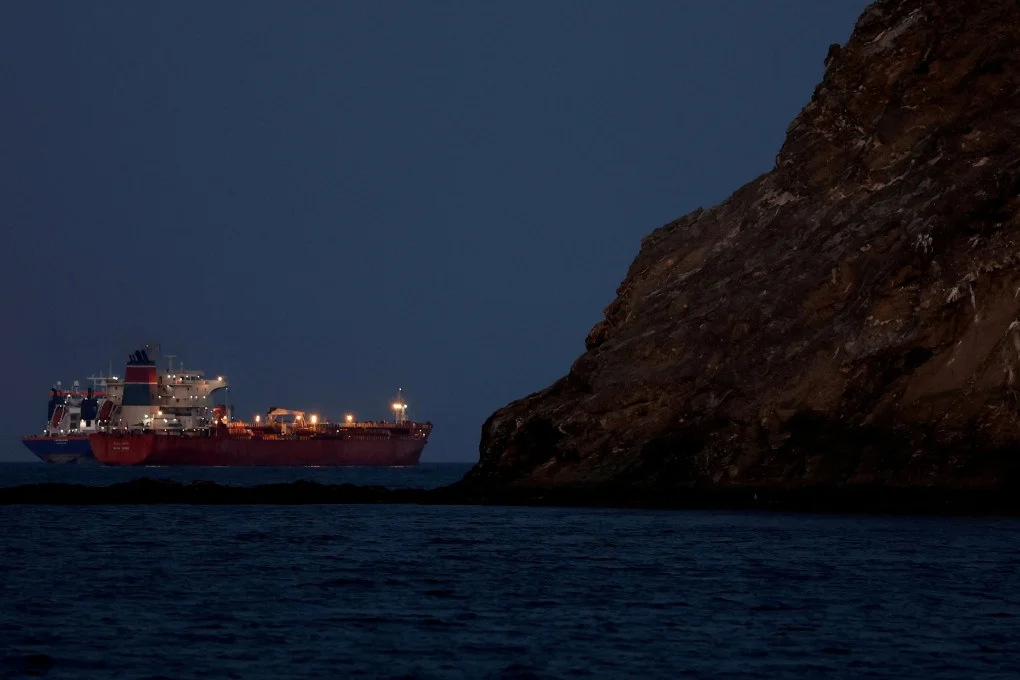
ASEAN's neutrality in the Iranian conflict is crucial for ensuring access to the strategic Strait of Hormuz. Amid rising tensions in the Gulf, Iran is leveraging its control over this vital passage to exert pressure on global oil supplies, particularly to the United States and its allies. Many nations, including ASEAN countries, are turning towards diplomatic efforts to secure safe passage for vessels through this strait.
Concerns are mounting that escalating tensions in the region could negatively impact the global economy, as the Strait of Hormuz is a critical transit point for approximately 20% of the world's oil supplies. With the conflict between Iran and the United States intensifying, ASEAN's position emerges as a means to alleviate tensions and ensure the stability of oil supplies.
Details of the Situation
Iran is striving to bolster its position on the international stage by emphasizing the importance of the Strait of Hormuz in global trade. Reports indicate that Tehran is using threats to close the strait as a means to pressure its adversaries, complicating the security situation in the region. In this context, ASEAN, comprising ten nations, plays a key role in balancing international relations.
ASEAN countries are working to enhance diplomatic cooperation through dialogue with all concerned parties, including Iran and the United States. Some observers have noted that ASEAN's stance could help de-escalate tensions, providing an opportunity for peaceful resolutions to the conflict.
Background & Context
For a long time, the Strait of Hormuz has been considered a vital strategic point in global trade, through which a significant portion of oil supplies flows. The region has witnessed increasing tensions since the United States withdrew from the Iranian nuclear deal in 2018, leading to an escalation of conflict between Tehran and Washington. In this context, Iran aims to use the Strait of Hormuz as a means to strengthen its position in the conflict.
Historically, ASEAN has sought to maintain its neutrality in regional and international disputes, making it an ideal platform for mediating conflicts. This policy has contributed to enhancing regional stability, making its position in the Iranian conflict even more significant.
Impact & Consequences
If tensions continue to escalate, they could lead to negative impacts on the global economy, particularly given the heavy reliance on oil. Experts have warned that any closure of the Strait of Hormuz could result in a significant spike in oil prices, affecting global economies. Therefore, ASEAN's neutrality could play a substantial role in mitigating these risks.
Moreover, strengthening cooperation between ASEAN and Iran could open new avenues for trade and investment in the region, benefiting all involved parties. The stability of the Strait of Hormuz could contribute to enhancing regional security and reducing tensions among major powers.
Regional Significance
Arab countries, particularly those located along the Gulf, are among the most affected by tensions in the Strait of Hormuz. The stability of this vital passage is crucial for ensuring the flow of oil and gas to global markets. Therefore, ASEAN's neutrality could contribute to enhancing security in the region and reducing the risks faced by Arab nations.
In conclusion, ASEAN's neutrality in the Iranian conflict appears to represent an opportunity to promote stability in the region. By fostering dialogue and cooperation, ASEAN can help alleviate tensions and ensure safe passage for vessels through the Strait of Hormuz, benefiting both the global and Arab economies.