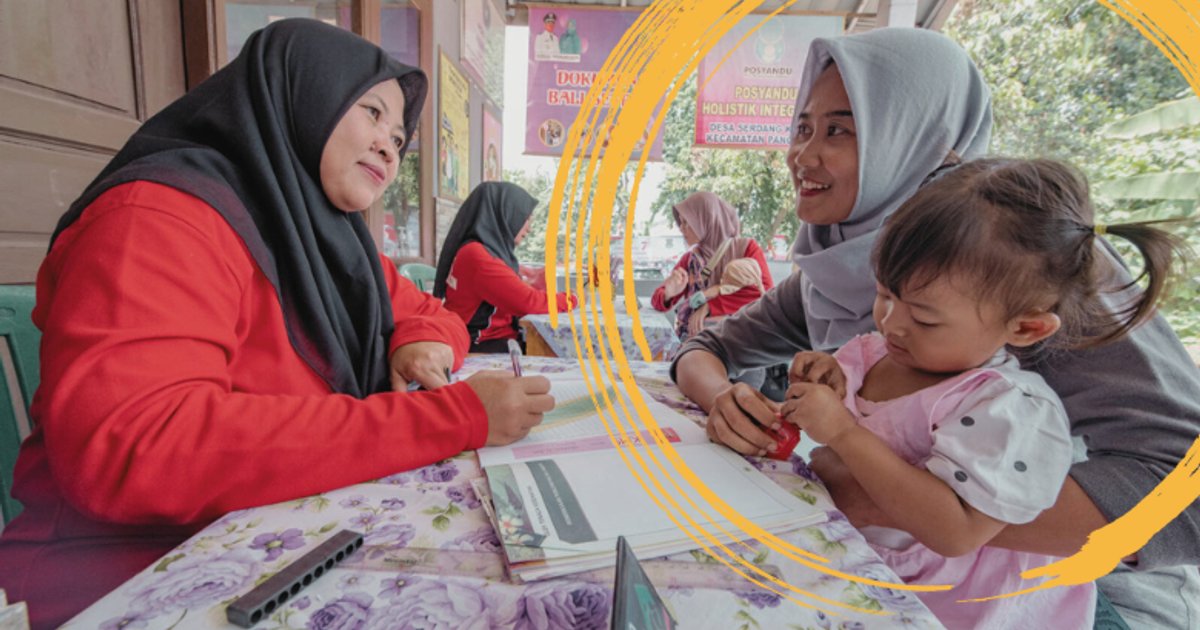
The Indonesian government continues its efforts to implement essential health programs, such as the Healthy Food Program and free medical check-ups, despite the economic challenges facing the country. These programs aim to improve public health levels and raise health awareness among citizens, reflecting the government's commitment to achieving sustainable development.
Officials in the Indonesian government have stated that these programs will remain a priority, with a special budget allocated to ensure their continuity. This comes at a time when the country is experiencing economic pressures due to global changes and the impacts of the COVID-19 pandemic, necessitating effective measures to maintain the health of citizens.
Details of the Health Programs
The essential health programs promoted by the Indonesian government include a range of initiatives, such as providing balanced meals for children and those in need, in addition to organizing free health check-up campaigns for citizens. These campaigns aim to facilitate early detection of diseases and provide appropriate treatment, contributing to reducing rates of chronic illnesses.
The government also seeks to enhance health awareness through educational programs targeting all segments of society, organizing workshops and lectures on the importance of proper nutrition and healthy lifestyles. These efforts align with the government's vision to improve the quality of life and promote public health.
Background & Context
Historically, Indonesia has faced significant challenges in public health, with high rates of chronic diseases. However, the government has been implementing comprehensive strategies to improve the health system for several years, leading to notable progress in some areas. For instance, child mortality rates have significantly decreased thanks to sustainable health programs.
In recent years, the government has increased its investments in the health sector, allocating larger budgets for developing health infrastructure and providing essential medical services. This trend reflects the government's commitment to achieving sustainable development goals and improving citizens' living standards.
Impact & Consequences
These essential health programs are crucial for enhancing public health in Indonesia, as they contribute to reducing disease rates and improving quality of life. Furthermore, the continuation of these programs amid difficult economic conditions demonstrates the government's ability to manage crises and provide essential services to citizens.
Moreover, these efforts may lead to improved economic productivity, as the health of citizens plays a vital role in fostering economic growth. Therefore, investing in public health is considered an investment in the country's future.
Regional Significance
Indonesia's experience in promoting essential health programs serves as a model that Arab countries can benefit from, which face similar challenges in public health. Arab nations can learn from Indonesia's strategies in providing health services and enhancing health awareness among citizens, contributing to improving public health in the region.
In light of global health crises, it becomes essential for Arab countries to enhance their essential health programs and provide necessary support to citizens. Investing in public health is not only a governmental responsibility but also requires the participation of civil society and the private sector to achieve sustainable outcomes.