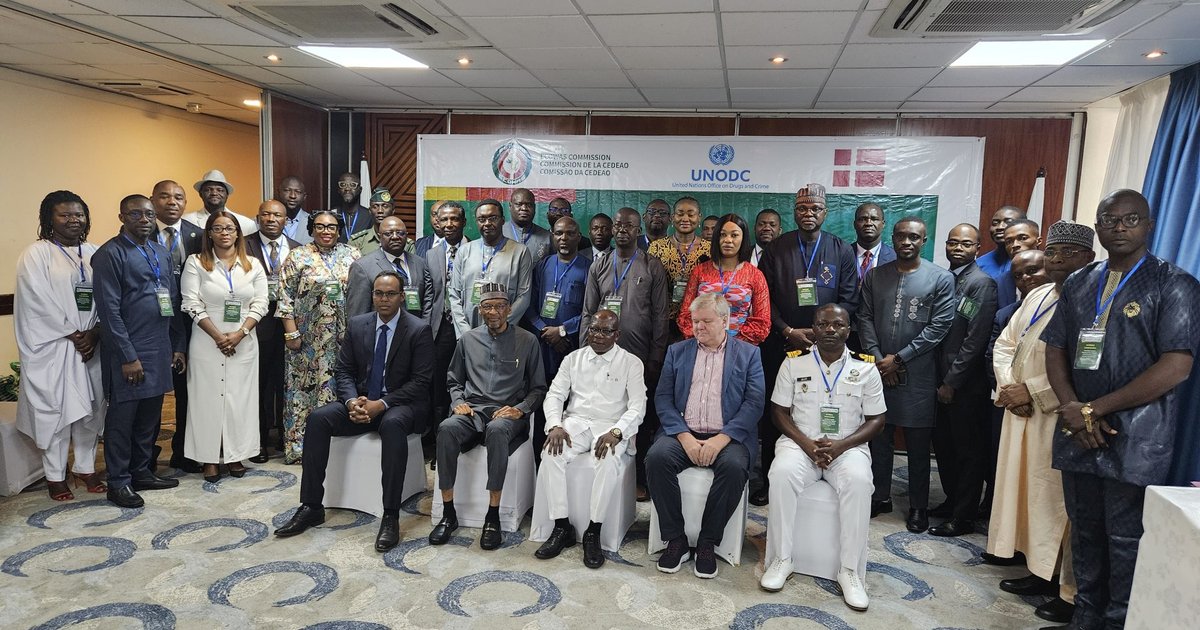
The Maritime Chambers Federation underscored the necessity of full coordination among stakeholders involved in maritime transport and trade to ensure the continuity of supply chains and protect trade movements in light of current global challenges. The federation pointed out that this coordination is essential to address crises that may impact maritime trade, especially amid changing economic conditions.
As the world witnesses significant changes in trade and transport patterns, it has become crucial for relevant parties to collaborate to secure supply chains. The federation noted that there are joint efforts between governments and the private sector to ensure the continuity of logistics services, contributing to the enhancement of the national economy.
Event Details
The statements from the Maritime Chambers Federation came during a broad meeting attended by representatives from various stakeholders in maritime transport and trade. The discussion focused on ways to enhance cooperation and information exchange among different parties to ensure the continuity of maritime trade. The federation highlighted the importance of activating laws and regulations that facilitate customs procedures and alleviate burdens on traders.
Moreover, the importance of utilizing modern technology to improve the efficiency of maritime transport operations was emphasized, as digital innovations can help expedite procedures and reduce costs. The federation explained that there is an urgent need to develop port infrastructure in line with the requirements of global trade.
Background & Context
Maritime trade has faced significant challenges in recent years due to economic and political crises that have affected transport movements. The COVID-19 pandemic disrupted supply chains, negatively impacting global trade flows. In this context, coordination among relevant parties has become an urgent necessity to ensure the continuity of maritime trade.
Historically, maritime trade has always been a fundamental element of the global economy, representing a significant portion of international trade volume. With the increasing reliance on maritime transport, enhancing cooperation among countries has become essential to ensure the continuity of this movement.
Impact & Consequences
Forecasts indicate that enhancing coordination among maritime transport and trade stakeholders can contribute to improving the performance of the national economy. This could lead to an increase in trade volume and an improvement in logistics services, thereby enhancing the competitiveness of countries in the global market.
Additionally, improving supply chains can help reduce costs for traders, which positively reflects on final prices for consumers. Therefore, this coordination represents an important step towards achieving economic stability.
Regional Significance
Arab countries are among those that heavily rely on maritime trade, as Arab ports serve as strategic points in global trade movements. Thus, enhancing coordination among maritime transport and trade stakeholders in the region can contribute to improving the economic situation of Arab countries.
Furthermore, cooperation among Arab countries in the field of maritime transport can enhance economic integration, contributing to sustainable development in the region. Consequently, these efforts represent an important step towards building a better economic future for Arab countries.
In conclusion, coordination among stakeholders in maritime transport and trade remains a fundamental element to ensure the continuity of trade movements amidst global challenges. Arab countries must invest in enhancing this cooperation to achieve sustainable development.