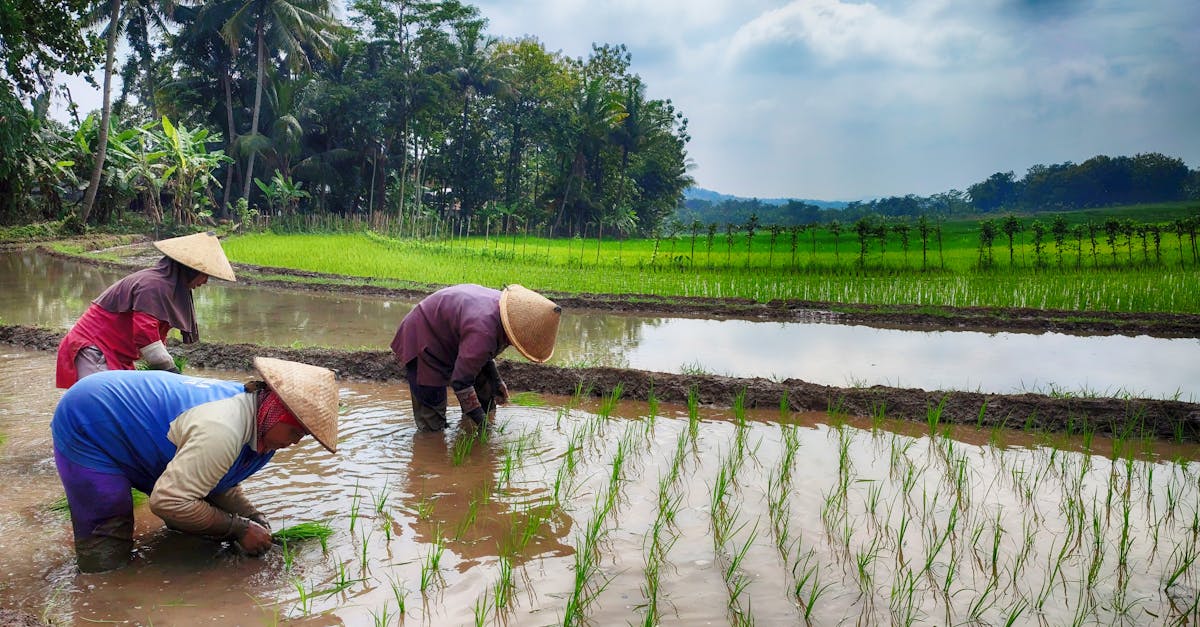
Ninasapti Triaswati, an economist at the University of Indonesia, pointed out that the stability of food production, particularly rice, is a key element in maintaining inflation stability and economic growth until the end of 2026. This statement was made during a press conference in Jakarta, where she highlighted the importance of stable food supplies in the face of increasing global pressures on the agricultural sector.
Triaswati explained that Indonesia's economic growth recorded a rate of 5.61% in the first quarter of 2026, reflecting the vital role of the agricultural sector as a primary source of growth. She also confirmed that stable rice production contributes to price stability, thereby protecting the purchasing power of citizens.
Details on Economic Growth and Inflation
Agriculture is a fundamental pillar of the Indonesian economy, contributing to a growth rate of 1.11% in GDP. In April 2026, the inflation rate was 0.13% monthly, with food and beverage prices contributing to a slight decrease in inflation, reflecting the stability of local food supplies and their positive impact on prices.
Historically, Indonesia has faced significant challenges in food security, especially amid climate change and global economic pressures. The government has taken steps to enhance agricultural production, including supporting farmers and providing the necessary resources to improve productivity.
Background & Context
Indonesia aims to achieve self-sufficiency in rice production, which is a strategic goal for the government. These efforts enhance the country's ability to face potential food crises, contributing to the sustainability of food production as a critical factor for economic stability.
Moreover, the government is implementing various strategies to ensure that agricultural output meets the growing demands of the population while also addressing environmental concerns. This multifaceted approach is essential for long-term food security.
Impact & Consequences
Any decline in production could lead to rising prices and increased inflation, negatively affecting citizens' lives. Therefore, maintaining food production stability is an urgent necessity to ensure national economic stability. Additionally, boosting agricultural production contributes to creating new job opportunities, enhancing the ability of youth to engage in this vital sector.
Furthermore, the government is focusing on modernizing agricultural practices and investing in technology to improve efficiency and yield. This is expected to mitigate the risks associated with climate change and market fluctuations.
Regional Significance
The experience of Indonesia in stabilizing food production could serve as a model for Arab countries seeking to achieve self-sufficiency. By learning from Indonesia's strategies, these nations can enhance their agricultural sectors and improve food security.
In conclusion, the stability of food production is not only crucial for Indonesia's economy but also serves as a lesson for other countries facing similar challenges. Ensuring a stable food supply is essential for the well-being of citizens and the overall health of the economy.