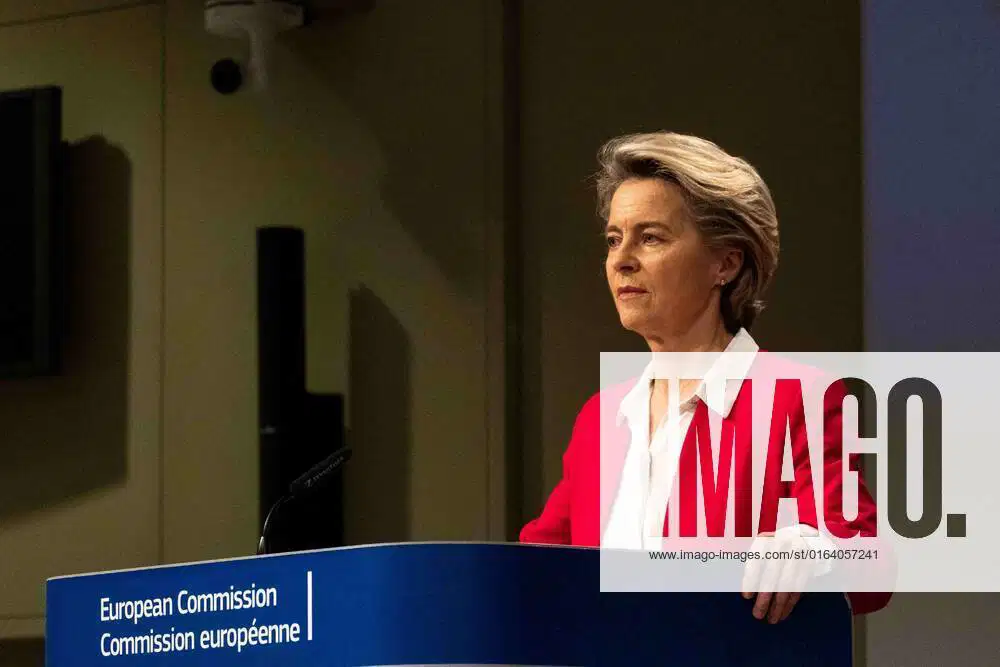
European Commission President Ursula von der Leyen affirmed the EU's commitment to work with partners to ensure freedom of navigation in the Strait of Hormuz, amid rising tensions in the region. This statement comes at a critical time that necessitates enhanced maritime security.
Von der Leyen highlighted the importance of the Strait of Hormuz as one of the vital maritime corridors through which a significant percentage of global oil trade passes. She emphasized that the EU will make every possible effort to maintain freedom of navigation and ensure the safety of commercial vessels in this strategic area.
Event Details
The European Commission President's remarks came during a press conference held in Brussels, where she addressed the challenges facing maritime navigation in the Strait of Hormuz. She clarified that the EU intends to enhance coordination with relevant countries to ensure navigation safety, noting that these efforts will include strengthening cooperation with allies such as the United States and the Gulf Cooperation Council countries.
Von der Leyen also stressed the importance of diplomatic dialogue in addressing security issues in the region, emphasizing the need for joint efforts to avoid any escalation that could impact global trade.
Background & Context
The Strait of Hormuz is considered one of the busiest maritime areas in the world, through which approximately 20% of the world's total oil supply passes. The region has witnessed increasing tensions in recent years, particularly with the escalation of conflicts between Iran and the United States, directly affecting navigation.
In 2019, the strait experienced a series of maritime incidents, including attacks on oil tankers, raising international concerns about navigation safety. In this context, the EU seeks to play an active role in enhancing maritime security and ensuring regional stability.
Impact & Consequences
Von der Leyen's statements underscore the importance of international cooperation in addressing security challenges in the Strait of Hormuz. Increased tensions could lead to negative impacts on oil prices and global markets, necessitating a swift response from the international community.
Moreover, enhancing maritime security in the region could contribute to the stability of global energy markets and boost investor confidence in oil-dependent economies. Consequently, any escalation in the region could adversely affect the global economy.
Regional Significance
The Gulf Cooperation Council countries are among the most affected by developments in the Strait of Hormuz, as their economies heavily rely on oil exports. Therefore, any threat to freedom of navigation in this area could directly impact the economies of these nations.
Furthermore, strengthening cooperation between the EU and Gulf countries could help enhance security and stability in the region, benefiting all parties involved.
In conclusion, freedom of navigation in the Strait of Hormuz remains a vital issue that requires ongoing international cooperation, especially in light of the increasing challenges facing the region. It appears that the EU is determined to play a key role in this context.