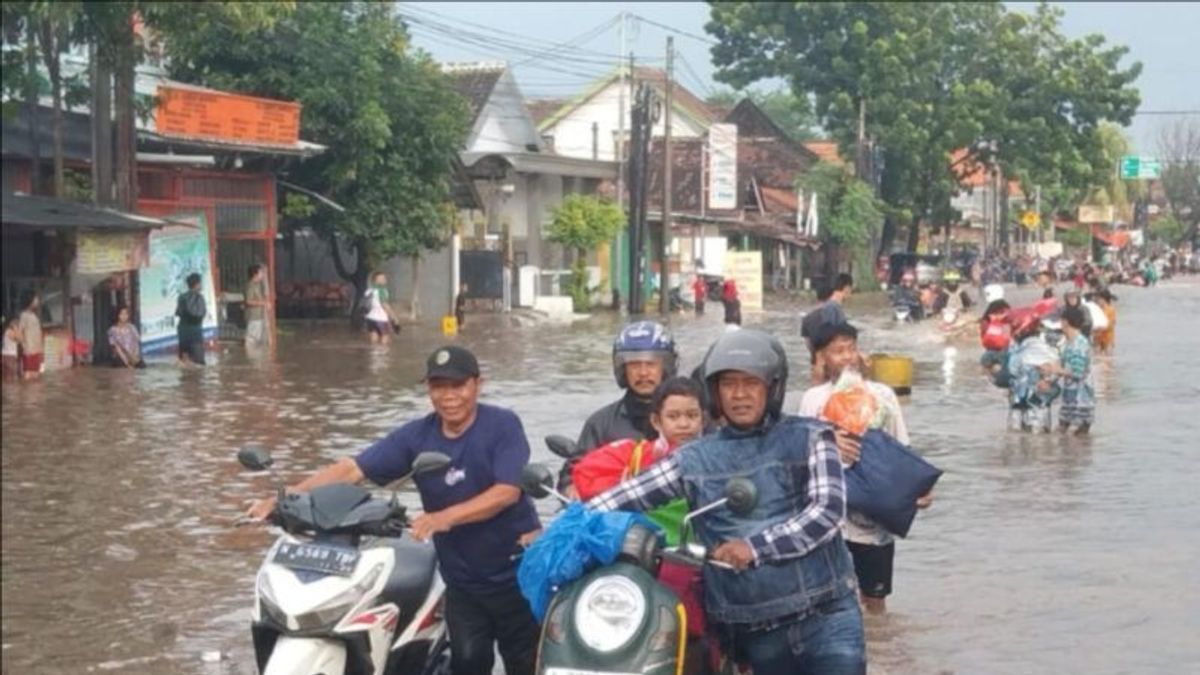
In light of the floods that have swept through Pasuruan, Indonesia, the National Disaster Management Agency (BNPB) has confirmed that relief operations are progressing well to meet the needs of the affected population. The floods, which began on the evening of March 24, have submerged thousands of homes in 11 areas, necessitating urgent intervention from local authorities and relevant agencies.
BNPB Chief, General Suharyanto, explained that relief teams and volunteers are tirelessly working to distribute food assistance, including ready-to-eat meals, blankets, medicines, and other logistical support. This assistance is being distributed at evacuation centers and is also being sent to families who are still residing in the upper floors of their homes.
Details of the Event
Suharyanto noted that the most affected areas include the municipalities of Pegi and Reguso, where the floods continue to impact the lives of residents. Reports have shown that some areas, such as the villages of Kidongringin and Kidongbu, are suffering from rising water levels due to the low elevation of the land compared to the flow of the Wraiti River that runs through the region.
Suharyanto also praised the efforts made by the Pasuruan provincial government in establishing evacuation centers and providing the necessary logistics for the affected population. However, he emphasized the need for urgent action to address the situation in the most severely affected areas.
Background & Context
Historically, Indonesia has witnessed numerous devastating floods, particularly in low-lying areas. The current floods come after heavy rainfall that lasted for several hours, exacerbating the situation. In recent years, floods have posed a significant challenge for the Indonesian government, prompting it to develop strategies for dealing with natural disasters.
Flooding in Indonesia is considered a natural consequence of climate change, as rainfall intensity increases during certain seasons, leading to rising water levels in rivers. This phenomenon requires a swift and effective response from the government and relevant stakeholders.
Impact & Consequences
The floods in Pasuruan necessitate an urgent response from the government, as they can lead to the outbreak of diseases due to poor sanitary conditions. Additionally, the impact of the floods on the local economy can be substantial, as crops and small businesses are affected, negatively reflecting on the lives of residents.
Proposed solutions from the central government and the Ministry of Public Works include discussing the possibility of relocating affected residents, as well as rehabilitating the Wraiti River's course to prevent the recurrence of such disasters in the future. Long-term solutions require significant investments and cooperation among various government entities.
Regional Significance
Natural disasters such as floods pose a challenge for many countries, including Arab nations. In recent years, some Arab countries, such as Lebanon and Syria, have experienced similar natural disasters, necessitating enhanced regional cooperation in disaster management.
The exchange of experiences among countries on how to handle natural disasters can have a positive impact on improving responses and mitigating damages. Furthermore, raising public awareness about the importance of disaster preparedness can help reduce future risks.