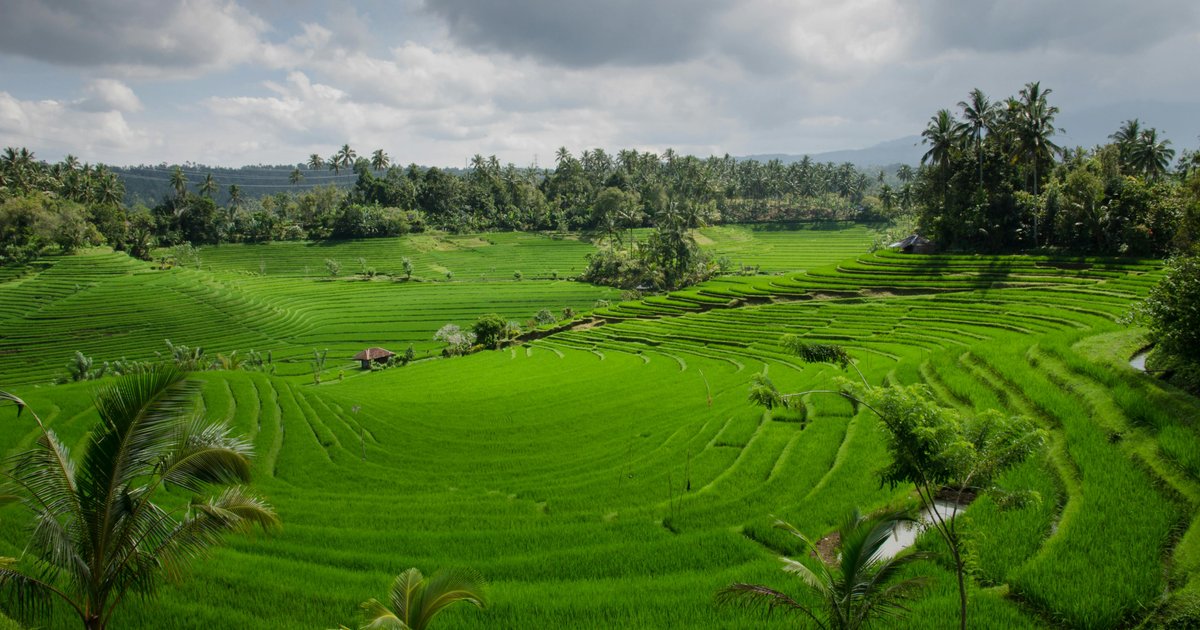
Indonesian Agriculture Minister Andi Amran Sulaiman reported that the government's rice stock, managed by Perum Bulog, remains stable at 4.5 million tons, reflecting Indonesia's ability to maintain its food security despite ongoing tensions in the Middle East.
During a visit to the Bulog Panaikang warehouse in Makassar, the minister confirmed that this stock is the highest since the establishment of the Indonesian republic, noting that the government is working to enhance local rice production to achieve self-sufficiency.
Details of the Event
Amran explained that the increase in rice stock is due to government policies that encouraged a rise in production over a short period. Among these policies is the increase in the purchase price of rice from farmers to 6,500 rupiah per kilogram, a 20% reduction in subsidized fertilizer prices, and a shift towards modern agriculture.
The minister indicated that the government is preparing to lease more storage space, as current stocks have exceeded the available warehouse capacity of 3 million tons, leading to an additional 2 million tons being rented.
Background & Context
Historically, Indonesia has faced significant challenges in food security, particularly amid economic and political crises. However, the current government is adopting new strategies aimed at boosting local production and reducing reliance on imports.
Indonesia is one of the largest rice producers in the world; however, climatic and economic challenges may impact production. Thus, these steps are part of the government's efforts to ensure sustainable food security.
Impact & Consequences
This increase in rice stock is a positive sign of the government's ability to manage food resources effectively. Additionally, these policies may improve the economic conditions for farmers, thereby enhancing the stability of rural communities.
If the government continues to implement these policies, Indonesia is likely to witness an increase in overall agricultural production, which could contribute to strengthening the national economy.
Regional Significance
Indonesia serves as a model for food security, especially for Arab countries facing similar challenges. Arab nations can benefit from Indonesia's experiences in enhancing local production and achieving self-sufficiency.
In light of the increasing food crises in the region, cooperation between Arab countries and Indonesia could have a positive impact on regional food security.