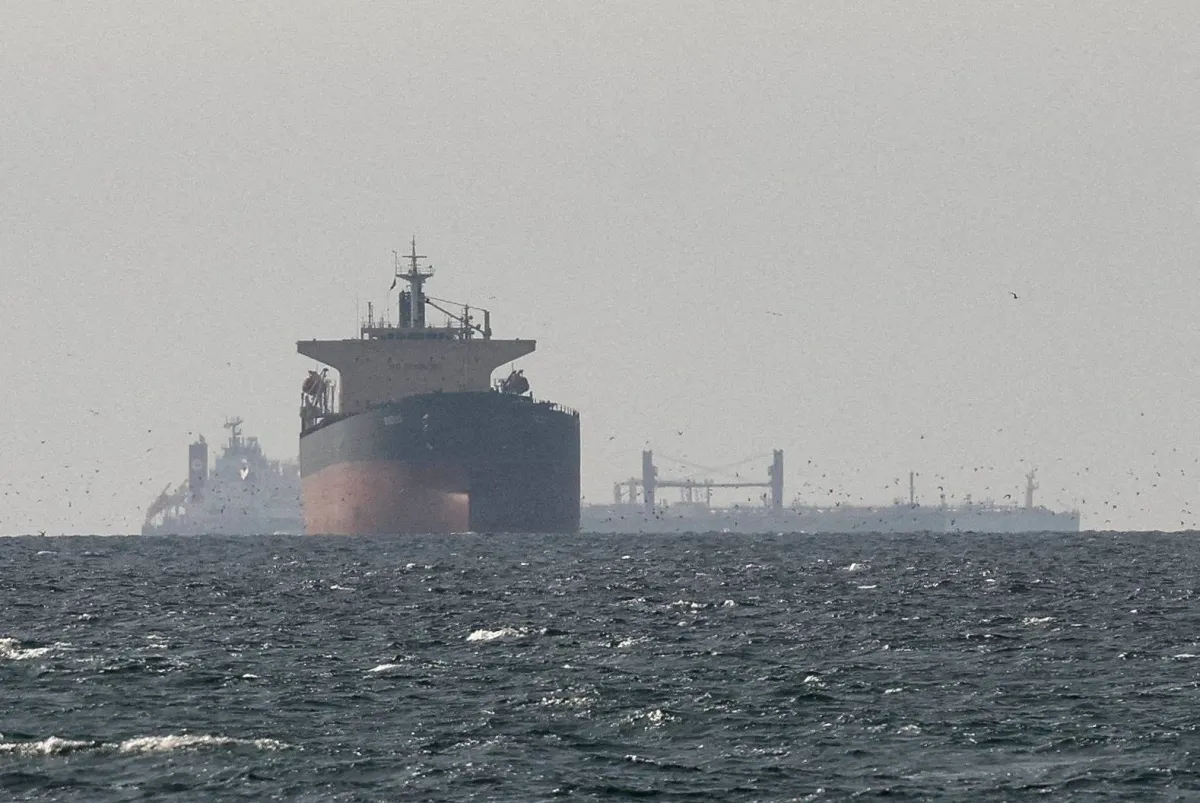
The International Maritime Organization (IMO), a United Nations agency, announced on Wednesday the commencement of its efforts to ensure "safe passage" for vessels through the Strait of Hormuz, following a truce between the United States and Iran. This announcement comes at a critical time, as the strait is facing the repercussions of the ongoing war in the Middle East.
The Secretary-General of the organization, Arsenio Dominguez, stated in an official statement that coordination is ongoing with the relevant parties to establish a suitable mechanism to ensure the safe passage of ships. He emphasized that the priority lies in securing maritime navigation and ensuring its safety, especially under the current circumstances in the region.
Details of the Event
Current efforts are focused on implementing arrangements that ensure the safety of maritime traffic during this sensitive phase. The Strait of Hormuz, which is a vital artery for international trade, has experienced near-total disruption of navigation since the outbreak of the war on February 28. This strait accounts for about 20% of global oil supplies, making it a pivotal point in the global economy.
In a related context, Hapag-Lloyd expressed cautious optimism regarding the potential resumption of shipping through the strait, noting that restoring normal shipping operations could take between 6 to 8 weeks. The company's CEO, Rolf Habben Jansen, stated that the situation remains volatile and requires additional security guarantees.
Background & Context
The truce came after a six-week conflict, which led to a sharp increase in oil prices. U.S. President Donald Trump agreed to the ceasefire two hours before the deadline set by Iran, warning of devastating attacks on civilian infrastructure if compliance was not met. These developments have significantly impacted global energy markets.
Data shows that around 1000 ships are still stranded in the area, leading to severe disruptions in energy supply chains. Radar systems have recorded the first actual crossings following the truce, indicating signs of a resumption of maritime activity in the strait.
Impact & Consequences
Market forecasts suggest that restoring free navigation through the Strait of Hormuz will be crucial for oil prices to return to their previous levels. Shares of U.S. and European energy companies have declined as oil prices fell, with Brent crude futures hitting their lowest level in nearly a month.
Analysts have indicated that additional costs resulting from the crisis could reach $60 million per week, which may compel companies to pass some of these costs onto customers. Energy markets have seen a noticeable decline in the shares of major oil companies, reflecting a state of uncertainty in the market.
Regional Significance
Events in the Strait of Hormuz directly affect Arab countries, as the strait is a vital transit point for oil and natural gas. Any disruption in navigation could lead to rising energy prices, impacting Arab economies and increasing inflationary pressures.
In conclusion, these developments represent an opportunity to rethink strategies for ensuring energy security in the region and avoiding future crises that could affect economic stability.