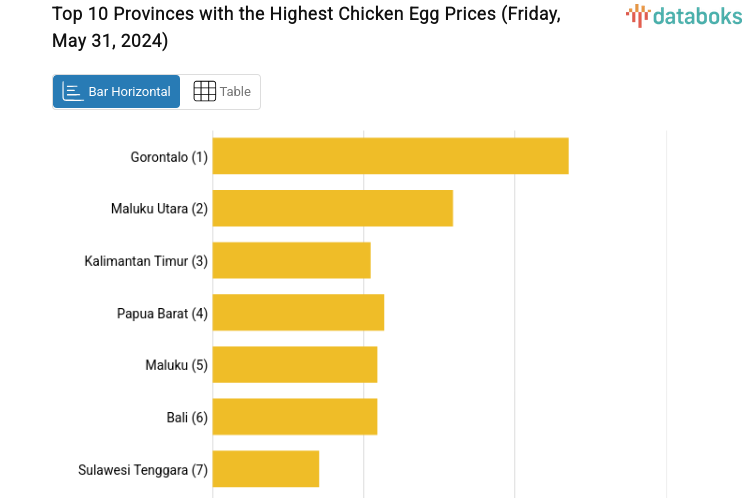
Indonesian Agriculture Minister Andi Amran Sulaiman confirmed that egg prices in Indonesia are stable and that the stock is sufficient to meet citizens' needs. This statement was made during a press conference in Jakarta, where he explained that the country has achieved a surplus in egg production, allowing for potential exports.
Sulaiman indicated that the government is working to ensure price stability, stating: "If there is any increase in prices, I will ask the relevant task force to track the reasons from distributors to producers. There should be no manipulation of food prices."
Details of the Event
Eggs are considered a staple food in Indonesia, serving as an important source of animal protein. Sulaiman explained that the average per capita consumption of eggs in 2025 is expected to reach about 2.362 kilograms per week, reflecting a 19.1% increase compared to 2016.
In related news, specialized task forces have observed that egg prices in local markets remain within reasonable limits. Prices have decreased in some markets, such as the Kranangan market in Yogyakarta, where it recorded 28,000 Indonesian Rupiah per kilogram.
Background & Context
Over the past few years, Indonesia has witnessed a significant increase in egg production, contributing to self-sufficiency. According to forecasts from the Food Security Agency, egg production is expected to reach 7.32 million tons annually, while national consumption needs are estimated at around 6.47 million tons.
These efforts are part of the Indonesian government's aim to ensure food security, especially amidst global economic challenges. Indonesian President Joko Widodo emphasized the importance of monitoring food prices daily to ensure market stability.
Impact & Consequences
The stability of egg prices is vital for the Indonesian economy, as any increase in prices could negatively affect citizens' purchasing power. Eggs are one of the main sources of protein, and thus, the stability of their prices contributes to improving the nutritional level in society.
Moreover, the surplus in production opens the door for Indonesia to expand its exports, potentially contributing to strengthening the national economy. However, the government must remain vigilant in monitoring prices and preventing any manipulation that could affect the market.
Regional Significance
Indonesia is one of the largest egg-producing countries in the world, and its experience in stabilizing egg prices may offer important lessons for Arab countries. Given the economic challenges faced by some Arab nations, Indonesia's strategies in managing food security could serve as a model to emulate.
In conclusion, the stability of egg prices in Indonesia represents a positive step towards enhancing food security and reflects the government's efforts to achieve self-sufficiency. It is essential that these efforts continue to ensure that citizens' needs are met and to bolster the national economy.