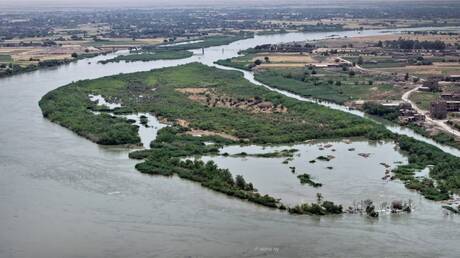
The General Director of the Euphrates Dam Authority, Haitham Bakour, confirmed that the water situation along the Euphrates River is stable, despite growing concerns about potential floods affecting surrounding areas. These statements come in light of rising water levels in the dams, which have raised local residents' worries about the possibility of floods expanding to new regions.
Bakour explained that the authority is closely monitoring the situation, indicating that the current floods are under control and that there are emergency plans in place to address any unexpected developments. He also assured that the dams are operating efficiently and that water levels remain within safe limits.
Details of the Situation
Concerns are increasing in areas surrounding the Euphrates River regarding potential floods, especially after some regions experienced a noticeable rise in water levels. This situation has alarmed citizens living along the riverbanks, who are sharing information about the possibility of larger floods that could impact their daily lives.
In this context, Bakour confirmed that the authority is conducting regular assessments of the situation and is prepared to intervene in case of any emergencies. He noted that previous floods were the result of a combination of climatic factors, and the authority is striving to avoid repeating those painful experiences.
Background & Context
The Euphrates River is one of the most important rivers in the region, flowing through several countries and serving as a vital source of water. In recent years, the river has undergone significant changes due to climate change and water management policies in neighboring countries. These factors have contributed to heightened fears of flooding, especially under current conditions.
Historically, floods have posed a significant challenge for local authorities, leading to the destruction of many homes and farms. Therefore, the recent statements from the Euphrates Dam Authority come at a sensitive time, as everyone is striving to ensure the safety of residents and protect property.
Impact & Consequences
If flooding continues to increase, it could have negative effects on agriculture and the local economy. Many residents rely on agriculture as their primary source of income, and any destruction of crops could adversely affect their standard of living. Additionally, floods may lead to the displacement of residents from their areas, increasing the burden on local government.
On the other hand, floods could impact infrastructure, potentially destroying roads and bridges, which would hinder transportation and complicate access to humanitarian aid in the event of disasters.
Regional Significance
Flooding in the Euphrates River is a concern for many Arab countries, as any changes in water levels could affect water relations between nations. Therefore, cooperation among the concerned countries is essential to ensure effective water management and avoid future crises.
In conclusion, hope remains pinned on the ability of local authorities to manage the current situation and ensure the safety of citizens. There must be clear strategies to address flooding, including improving infrastructure and enhancing community awareness of potential risks.