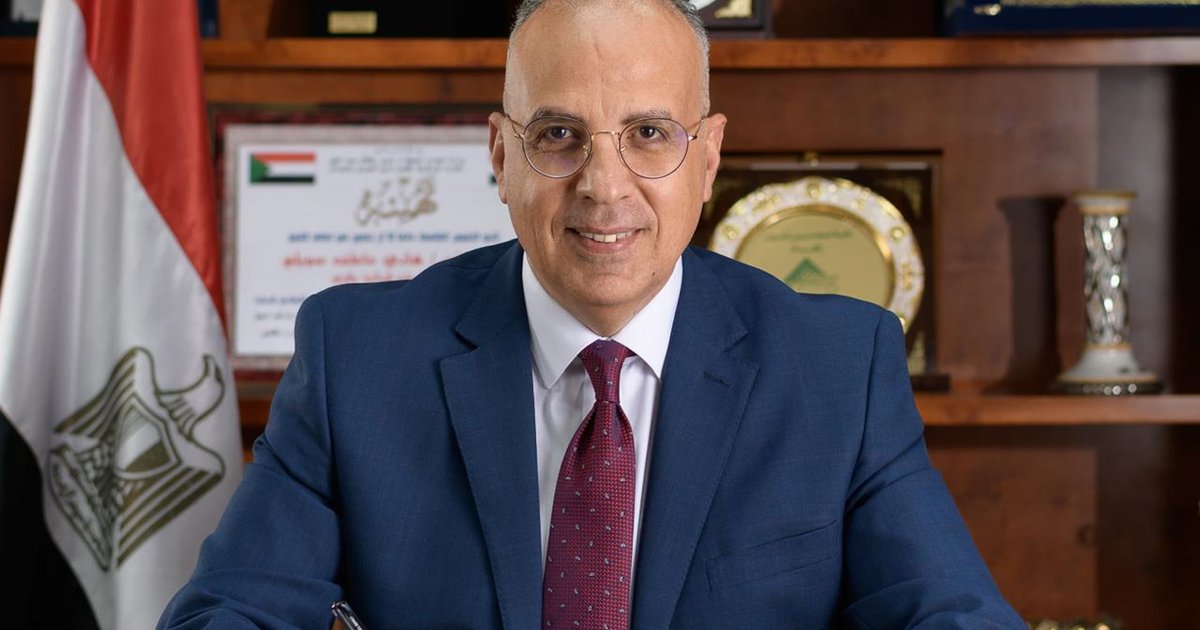
The Egyptian Ministry of Water Resources and Irrigation has announced the continuation of heightened readiness and preparedness across all ministry departments during the Eid al-Adha holiday, ensuring the provision of water needs for citizens throughout the country.
As part of these efforts, emergency and monitoring rooms have been activated in various governorates, where these rooms work to ensure the regularity of the water system and meet citizens' water needs.
Event Details
Dr. Hani Sweilam, Minister of Water Resources and Irrigation, confirmed that ministry employees are present at work sites in shifts around the clock. This system allows for monitoring water levels and flows, as well as the condition of embankments in canals and drains, ensuring the operation and regular monitoring of pumping stations.
The minister pointed out that the ministry responds immediately to any emergencies that may arise, according to a press statement issued today, Wednesday. He also clarified that the ministry's departments continue to implement rotation and balancing works on canals, monitoring water levels and flows to ensure water reaches all beneficiaries.
Background & Context
These measures come at a time when Egypt faces increasing challenges in managing water resources, especially with the growing demand for water amid population growth and climate change. Water is a vital issue affecting all aspects of life in Egypt, as it is essential for agriculture, industry, and domestic use.
Historically, Egypt has heavily relied on the Nile River as its main water source, and with increasing pressures on this resource, the need for effective water management has become more urgent. Therefore, the Ministry of Water Resources and Irrigation is working to improve water use efficiency and develop related infrastructure.
Impact & Consequences
These efforts are crucial to ensure the stability of the water network during the holiday period, as the demand for water increases at this time. Continuous water supply contributes to enhancing social and economic stability and reflects the government's ability to manage its resources effectively.
Moreover, ongoing coordination between the irrigation authority, drainage authority, and mechanical and electrical authority ensures stability of water levels before and after pumping stations, thereby enhancing the efficiency of the water system in the country.
Regional Significance
Water resource management is a common issue among many Arab countries, as most face similar challenges in securing their water needs. Egypt's success in managing its water resources can serve as a model for other countries in the region.
In light of climate change and population pressures, regional cooperation in water management may become an urgent necessity. Egyptian experiences can contribute to enhancing cooperation among Arab countries in this vital field.
In conclusion, the continued operation of pumping stations and the provision of water needs during Eid al-Adha reflects the Egyptian government's commitment to meeting its citizens' needs and strengthens the stability of the water system in the country.