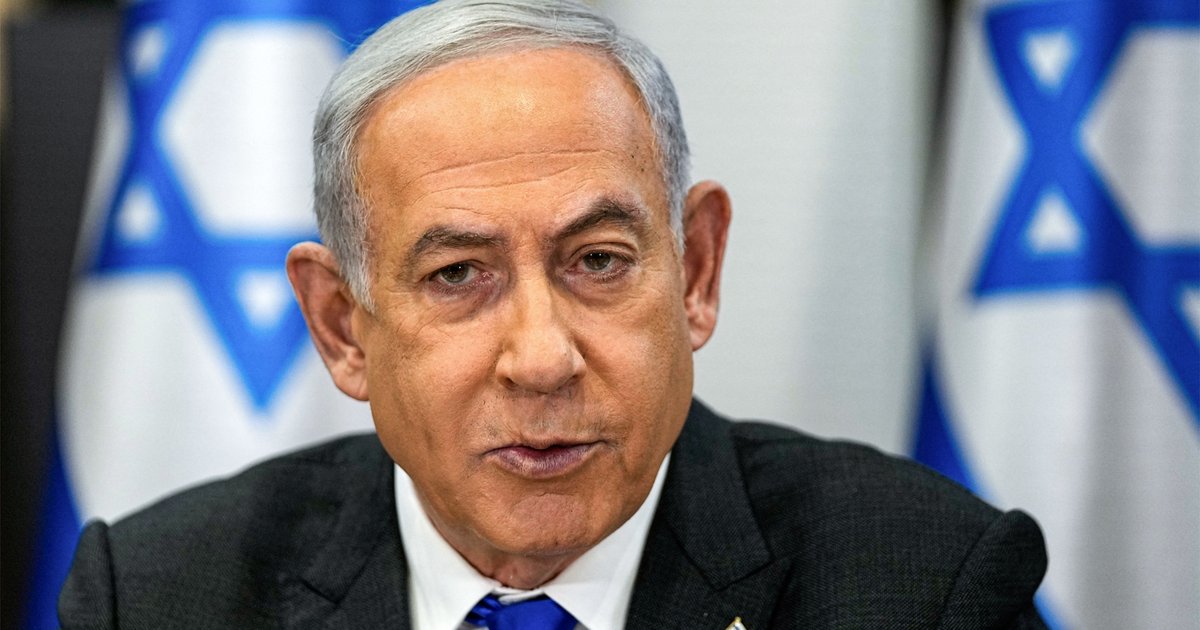
Turkish President Recep Tayyip Erdogan has asserted that Israeli Prime Minister Benjamin Netanyahu's government is not only targeting Iran but is also planning to occupy Lebanon. These remarks were made during a press conference, where Erdogan indicated that current Israeli policies pose a threat to regional security.
As tensions rise in the Middle East, Erdogan's statements serve as a clear warning of the potential dangers stemming from Israeli policies. He added that these policies not only affect Iran and Lebanon but also threaten the stability of the entire region.
Details of the Event
Erdogan's remarks come at a sensitive time, as Israeli military operations against targets in Iran have increased, alongside rising tensions along the Lebanese border. Erdogan pointed out that these operations are part of a broader strategy aimed at expanding Israeli influence in the region.
He also noted that these policies contradict the peace and stability efforts sought by Arab nations. Erdogan called on the international community to take a firm stance against these violations, warning that failing to address these policies could lead to greater escalation in regional conflicts.
Background & Context
Historically, relations between Turkey and Israel have been strained, particularly following events in Gaza and Lebanon. As regional tensions have escalated, Turkey under Erdogan's leadership has become increasingly critical of Israeli policies, reflecting a shift in Turkey's strategy towards Arab issues.
Furthermore, the recent statements come amid growing concerns about the potential outbreak of new conflicts in the region, especially with the continuation of Israeli military operations in Palestinian territories. Recent events have shown an urgent need for Arab nations to unify efforts to confront shared challenges.
Impact & Consequences
Erdogan's statements may lead to increased tensions between Turkey and Israel, potentially prompting Arab nations to reassess their relations with Ankara. Additionally, these remarks could affect Turkey's relations with Western countries, which may view these positions as a threat to regional stability.
Moreover, these statements might bolster Iran's position in the region, as it would find itself supported by Turkey against Israeli policies. This could alter the dynamics of the conflict in the Middle East and complicate the political landscape further.
Regional Significance
Erdogan's statements serve as a call for Arab nations to unite in the face of Israeli threats. These remarks may stimulate discussions on how to address Israeli policies, especially in light of increasing violations against Palestinians.
The potential impact of these statements could extend to enhancing cooperation between Arab nations and Turkey, possibly leading to the formation of new alliances in the region. At the same time, Arab nations must be cautious of escalating tensions and work towards finding peaceful solutions to existing conflicts.
In conclusion, Erdogan's remarks remain a reminder of the importance of Arab cooperation in facing common challenges and highlight the need for effective strategies to address Israeli policies that threaten security and stability in the region.