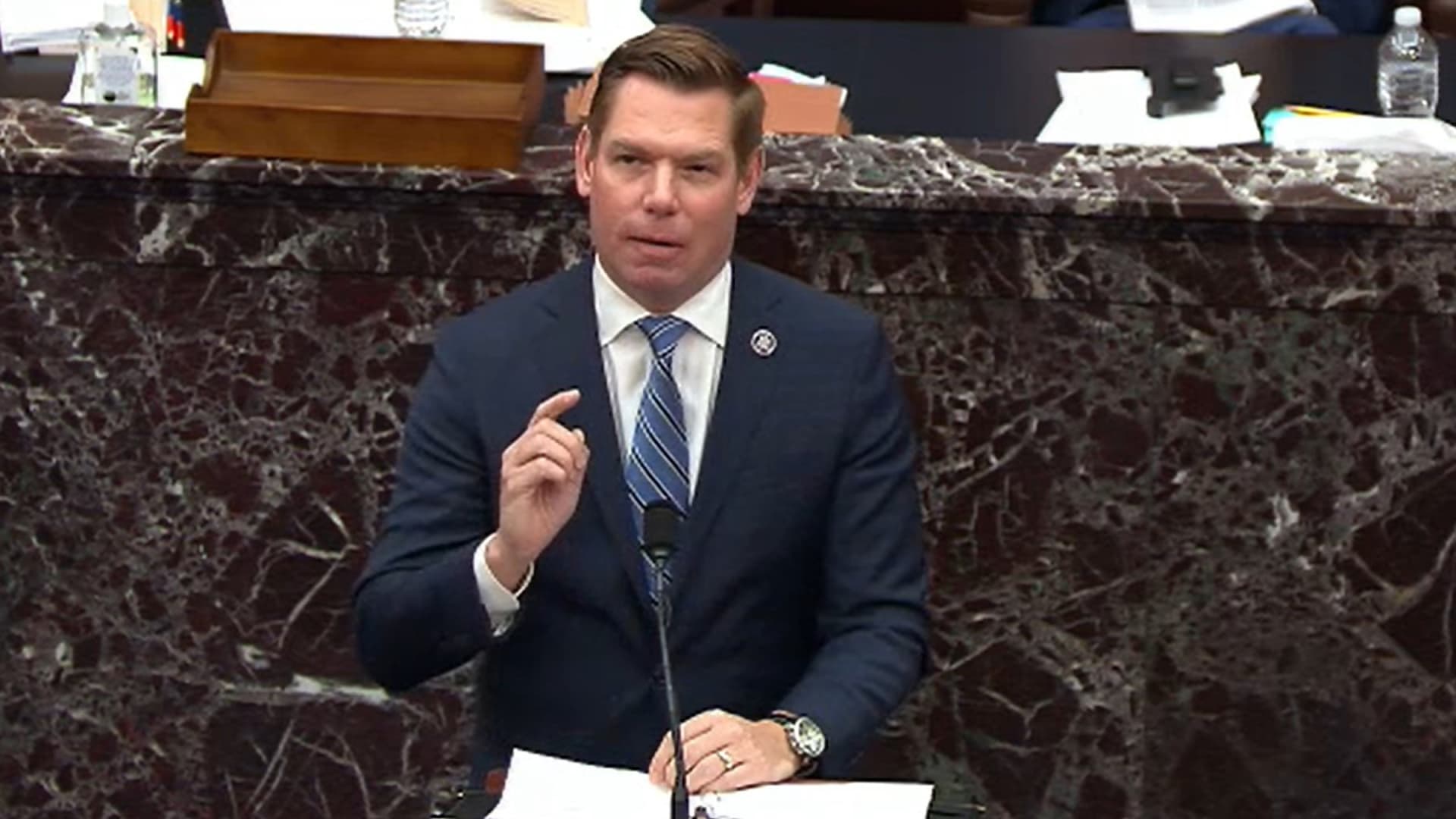
In a surprising turn of events, U.S. Congressman Eric Swalwell, who represents California, has decided to withdraw his lawsuit against Bill Boulton, the current director of the Federal Housing Finance Agency (FHFA). The lawsuit was based on allegations of the misuse of private information to target critics of former President Donald Trump, and it involved potential privacy violations.
Swalwell's lawsuit was filed at the end of November, claiming that Boulton illegally accessed and disclosed his private mortgage records, which is considered a violation of federal privacy laws.
Details of the Lawsuit
Swalwell emphasized in his statements at the time that Boulton had scrutinized the private records of political opponents with the intent to silence them. As a candidate for the California gubernatorial race, Swalwell is preparing to face increasing pressure from his rivals.
It is noteworthy that Boulton had referred Swalwell to the U.S. Department of Justice over allegations related to providing misleading data in loan documents concerning his home in Washington. Swalwell has vehemently denied these allegations, labeling them as false.
Background & Context
The competition in the California gubernatorial election is intensifying, with recent years witnessing a fierce struggle between Democratic and Republican candidates. Swalwell, who has served as a congressman for seven election cycles and was one of the key managers during the second impeachment trial of Trump, is considered one of the former president's most prominent critics.
Politics in the United States is characterized by tension, especially among different party camps, which increases the significance of these encounters and developments. As Swalwell seeks to win the governor's seat, any accusation or lawsuit could overshadow his chances in the election.
Impact & Consequences
These developments reflect an increase in the use of personal data in political campaigns, raising concerns about privacy in the digital age. With the escalation of personal attacks among candidates, such incidents can lead to a loss of trust among voters.
This lawsuit and its withdrawal could also set a legal precedent highlighting how private information is used in political disputes. The debate surrounding political privacy is a vital topic that all parties must adhere to clear ethical principles.
Regional Significance
Although this event is occurring within the framework of American politics, its effects may extend to the Arab region. The increased use of personal information in electoral campaigns could inspire similar uses in other parts of the world, including Arab countries experiencing political changes. This issue requires greater awareness of the importance of data and privacy rights in the digital world.
In conclusion, leaders around the world must learn from American experiences and consider the impact of using private information in campaigns. Transparency in electoral processes and the protection of individual rights will represent the fundamental dimensions of any sound democracy.