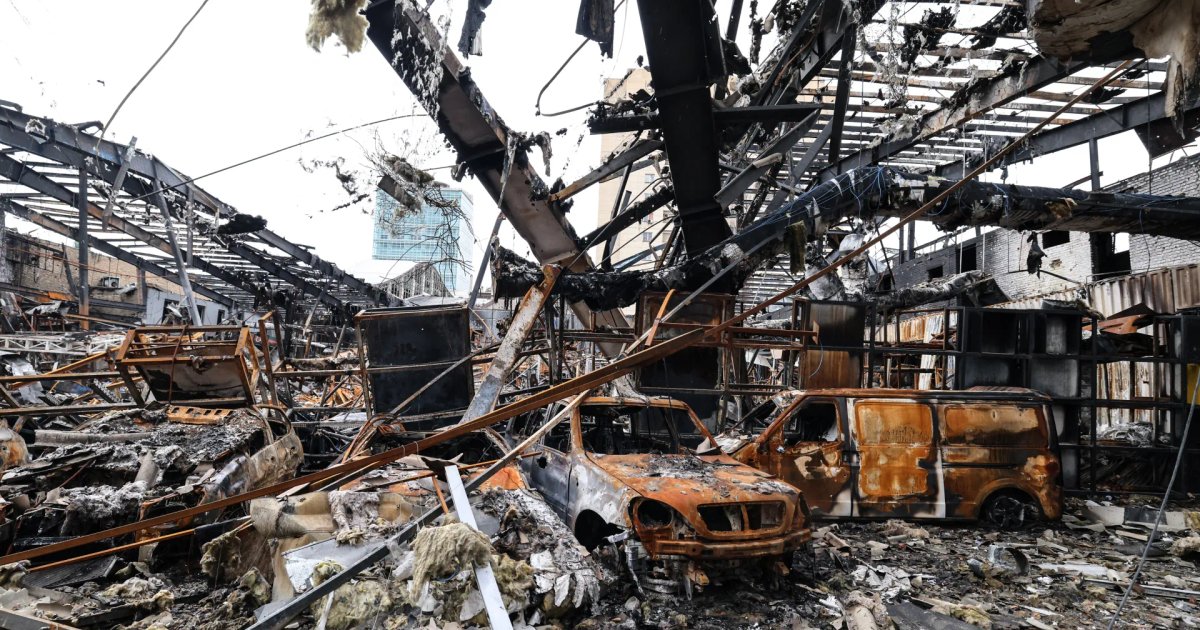
The US-Israeli war has entered its thirtieth day, with Iran witnessing a significant military escalation as several Iranian cities are subjected to widespread attacks. These assaults include cities such as Karaj, Tabriz, and Khuzestan, as well as areas in the north, east, and west of the capital Tehran.
These attacks come at a sensitive time, as the involved parties seek ways to de-escalate tensions in the region. With the intensification of confrontations, fears are growing regarding the implications of this war on regional stability, especially given the presence of regional and international powers pursuing their own interests.
Details of the Attacks
The attacks on Iranian cities are ongoing, with reports indicating that US and Israeli forces have executed coordinated military operations targeting Iranian military infrastructure. These strikes are part of a strategy aimed at weakening Iranian influence in the region, which the United States and its allies consider a threat to regional security.
The city of Karaj, located west of Tehran, has become one of the hotspots subjected to intense bombardment, with reports indicating the destruction of several military facilities. Additionally, the city of Tabriz, situated in northwestern Iran, has faced aerial bombardment, resulting in a number of casualties.
Background & Context
The roots of the current conflict trace back to long-standing tensions between Iran and the United States, which escalated following Washington's withdrawal from the Iranian nuclear deal in 2018. Since then, relations between the two sides have deteriorated significantly, with the United States imposing stringent economic sanctions on Iran, severely impacting the Iranian economy.
Simultaneously, Iran is striving to enhance its influence in the region by supporting allies such as Hezbollah in Lebanon and the Houthis in Yemen. These dynamics have led to rising tensions among regional powers, making the area susceptible to further conflicts.
Impact & Consequences
Estimates suggest that the continuation of this war could exacerbate the humanitarian situation in Iran, where the Iranian people are suffering from the effects of economic sanctions and military blockade. Furthermore, military escalation may draw other countries into the conflict, complicating the situation in the region.
Moreover, attacks on Iranian cities could provoke military responses from Iran, potentially widening the scope of the conflict and heightening tensions in the Middle East. These dynamics may also affect oil prices and global markets, as Iran is considered one of the largest oil producers in the region.
Regional Significance
The ongoing events in Iran have a direct impact on Arab countries, especially those sharing borders or historical ties with Iran. The ongoing conflict could lead to increased tensions in Iraq, Syria, and Lebanon, where Iranian-backed militias are present.
Additionally, the escalation of violence may bolster the position of extremist groups in the region, threatening stability in Arab nations. At the same time, some Arab countries may seek to strengthen their alliances with the United States to counter Iranian threats, further complicating the regional landscape.
In conclusion, the situation in Iran remains under global scrutiny, with rising concerns over the war's implications for security and stability in the Middle East. As the escalation continues, hope for peaceful solutions seems increasingly elusive.