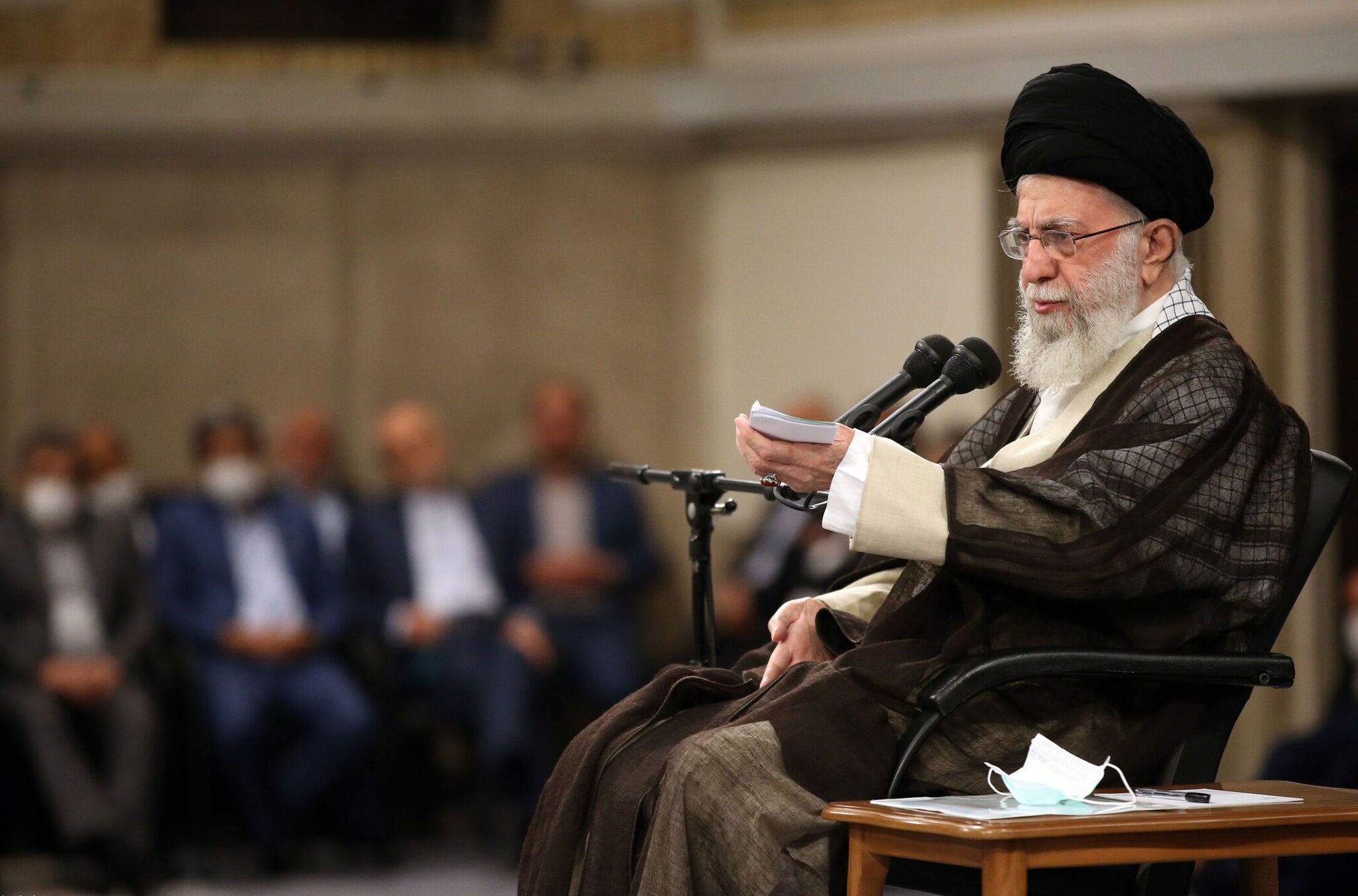
International concerns about the Iranian nuclear program are escalating amid the new directions of President Donald Trump's administration, which seems intent on ending the conflict with Tehran without addressing nuclear weapon issues. This shift may leave the door open for the Islamic Republic to enhance its nuclear ambitions, further complicating the security landscape in the region.
Despite international pressures and sanctions imposed on Iran, the ongoing dispute has contributed to obscuring the details of the Iranian nuclear program, raising alarm in the international community. The new Iranian leadership, adopting a more hardline approach, appears increasingly determined to develop its nuclear capabilities, prompting questions about its true intentions.
Details of the Situation
Reports indicate that Iran has intensified its nuclear activities, seeking the technology necessary to develop nuclear weapons. At the same time, the Trump administration seems unwilling to pressure Iran on this issue, which could exacerbate the crisis. This situation raises concerns among neighboring countries, particularly Saudi Arabia and Israel, which view Iran as a direct threat to their security.
It is noteworthy that the Iranian nuclear program has seen significant developments over the past years, with Tehran managing to enrich uranium to levels higher than those agreed upon in the previous nuclear deal. This reflects Iran's non-compliance with international standards and increases the risks of an arms race in the region.
Background & Context
Iran began its nuclear program in the 1970s but faced numerous challenges and international pressures. In 2015, a nuclear agreement was reached between Iran and major powers, aimed at curbing its nuclear program in exchange for easing sanctions. However, the United States withdrew from the agreement in 2018, leading to a resurgence of tensions.
Historically, Iran has always sought to enhance its military capabilities, with the nuclear program being a part of its regional strategy. As tensions in the region escalate, the Iranian nuclear program has become a central focus in international politics.
Impact & Consequences
If Iran continues to develop its nuclear program without restrictions, it could lead to serious implications for regional and international security. The region may witness an arms race, as neighboring countries might seek to bolster their military capabilities to counter the Iranian threat.
Furthermore, the absence of international pressure on Iran could encourage other countries to develop their own nuclear programs, increasing the risks of nuclear proliferation in the Middle East.
Regional Significance
Arab countries, especially those located in the Gulf, find themselves in a precarious position due to the escalating tensions surrounding the Iranian nuclear program. Saudi Arabia and the UAE, for instance, may feel the need to enhance their defensive capabilities to address any potential threats from Iran.
In this context, Arab nations may move towards strengthening security cooperation among themselves, in addition to seeking international support to tackle the growing security challenges. The stability of the region heavily relies on how the international community addresses the Iranian nuclear program.
In conclusion, the future of the Iranian nuclear program remains uncertain and requires close monitoring by the international community. The challenges facing the region necessitate a coordinated response to ensure security and stability in the Middle East.