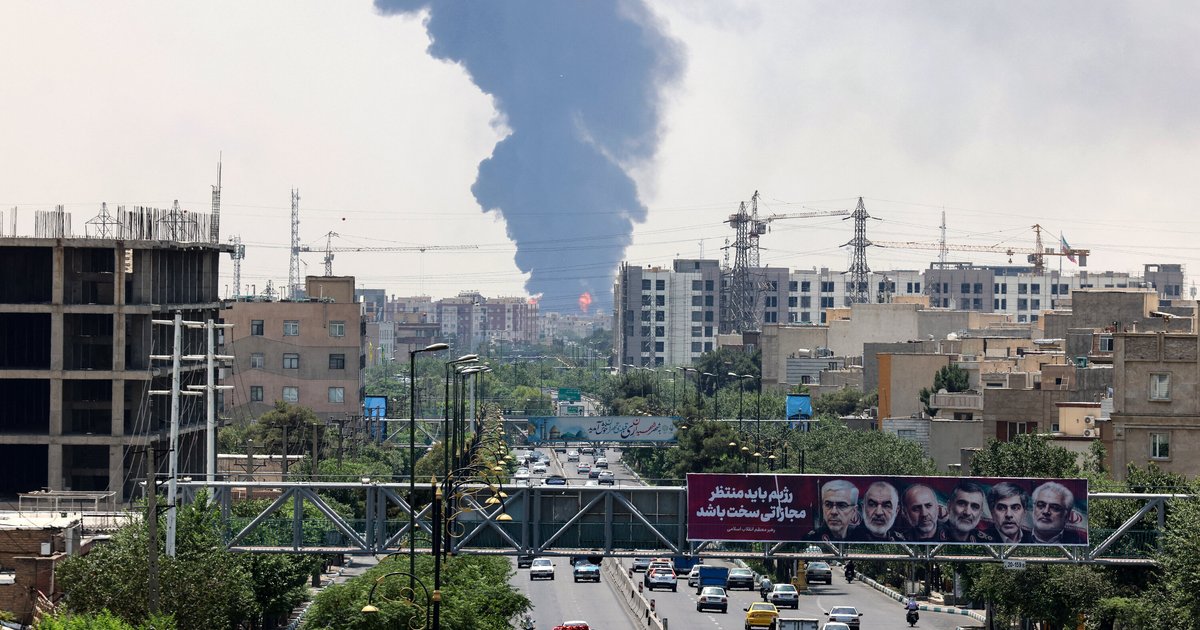
Financial markets are increasingly worried about the ongoing war in Iran, as diplomatic efforts by U.S. President Donald Trump have failed to improve conditions on Wall Street. As the conflict approaches its second month, analysts predict serious repercussions for oil prices.
Global markets are on high alert, with investors awaiting any new developments that could affect oil price stability. As the war in Iran escalates, fears grow that these conditions could lead to a long-term oil shock, negatively impacting the global economy.
Details of the Conflict
Since the beginning of the conflict, oil prices have experienced significant fluctuations, rising sharply in the early days of the war, which raised concerns among investors. As the fighting continues, prices continue to swing, raising questions about market stability. Analysts indicate that any further escalation in the conflict could lead to new price hikes, which could affect the global economy.
In this context, Trump's diplomatic efforts have not yielded any tangible progress so far, as conditions in Iran remain tense. Many experts have pointed out that instability in the region could exacerbate economic crises in other countries, further complicating the global economic landscape.
Background & Context
Historically, Iran has been one of the largest oil producers in the world, wielding significant influence over energy markets. Conflicts in the region, especially those involving Iran, often lead to fluctuations in oil prices, impacting the global economy. In recent years, the region has witnessed numerous conflicts, complicating the economic situation further.
These events coincide with rising geopolitical tensions in the region, as major powers seek to advance their interests. In this context, oil is considered one of the key factors influencing international relations, making conflicts in the area have far-reaching effects.
Impact & Consequences
Forecasts suggest that the continuation of the conflict in Iran could lead to an oil shock that affects the global economy. If the situation remains unchanged, we may witness new increases in oil prices, which could lead to higher transportation and energy costs, subsequently raising prices in global markets.
Moreover, these conditions could impact foreign investments in the region, as companies may hesitate to invest in an unstable environment. This, in turn, could lead to slower economic growth in many countries, increasing pressure on governments.
Regional Significance
For Arab countries, the continuation of the conflict in Iran may have direct effects. Many Arab nations rely on oil as a primary source of revenue, and any rise in prices could impact their budgets. Additionally, tensions in the region could lead to increased security risks, affecting stability in neighboring countries.
In light of these circumstances, Arab nations must take proactive steps to address any potential repercussions. It is crucial to enhance regional cooperation and develop strategies to mitigate the impacts of global crises on their economies.