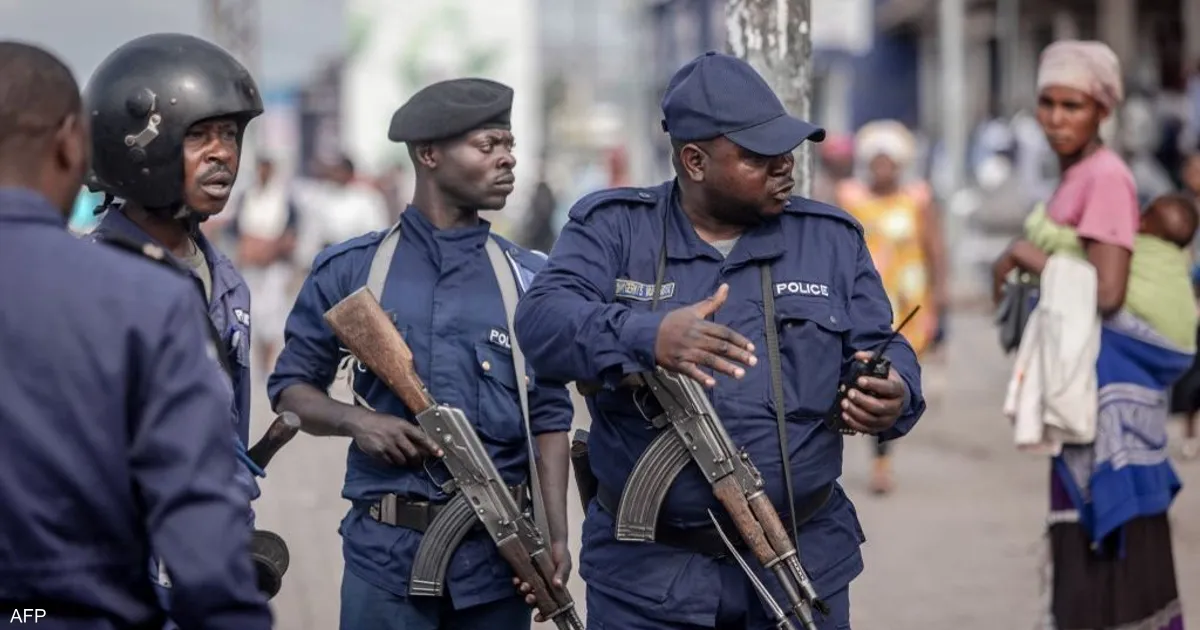
The United Nations has warned of escalating conflict in Eastern Congo, where heavy weapons and drones have been increasingly utilized in recent times. This warning comes at a time when the region is suffering from worsening humanitarian crises and ongoing ethnic tensions.
Reports indicate that fighting has intensified among various armed groups, exacerbating the security and humanitarian situation in the area. This escalation has led to the displacement of thousands of civilians, who find themselves in harsh conditions lacking essential aid.
Details of the Conflict
According to United Nations reports, the conflict in Eastern Congo has seen an increased use of drones by armed groups, raising concerns about the conflict evolving to new levels. United Nations spokespersons have noted that this use of advanced weaponry reflects a shift in combat tactics, complicating peace efforts in the region.
Several armed groups are present in Eastern Congo, including the March 23 Movement, which continues to carry out attacks against government forces and civilians. This conflict has resulted in numerous fatalities, as well as the destruction of property and infrastructure.
Background & Context
The history of conflict in Eastern Congo spans decades, with the region experiencing multiple conflicts due to ethnic and political tensions. Since 1996, the country has witnessed a series of civil wars that have led to the deaths of millions and the displacement of millions more. Despite international and local efforts to achieve peace, the situation remains fragile.
The natural resources in Eastern Congo, such as precious minerals, are one of the main factors fueling the conflict. Armed groups compete for control over these resources, intensifying the conflict and complicating peace efforts.
Impact & Consequences
The escalation of conflict in Eastern Congo has serious implications for regional security. Continued fighting and the use of advanced weaponry could destabilize neighboring countries such as Rwanda and Uganda, which have a long history of involvement in Congolese affairs.
Moreover, the humanitarian crises resulting from the conflict directly affect the lives of civilians. Displaced persons suffer from severe shortages of food, water, and healthcare, exacerbating their suffering under harsh conditions.
Regional Significance
Although the conflict in Eastern Congo may seem distant from the Arab region, it has indirect effects on regional security. The escalation of the conflict could lead to an increased flow of refugees into neighboring countries, placing additional pressure on local resources and economies.
Additionally, tensions in Eastern Congo may impact Arab investments in the region, as companies may hesitate to invest in areas suffering from instability. Therefore, monitoring the situation in Congo is crucial for Arab countries seeking to enhance their investments in Africa.